English
 Español
 Português
 عربي
عربي 한국어
한국어

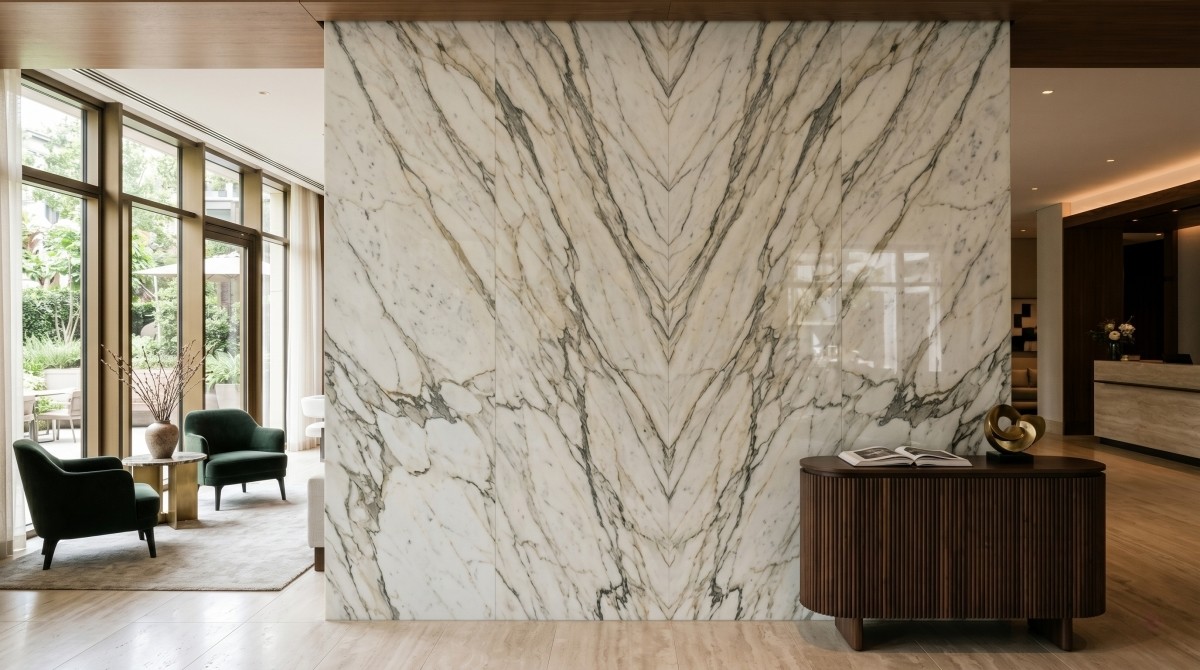
In stone projects, buyers often focus first on the material itself. They ask about color, pattern, finish, price, consistency, and availability. All of that matters. But one decision is often treated as a secondary detail when it should not be: vein direction.
A slab may be beautiful, the material may be approved, and the fabrication may be accurate. Yet the finished project can still feel less refined than expected if the vein direction was handled carelessly.
That happens because vein direction is not only a decorative issue. It affects how the stone is read in space. It influences visual rhythm, continuity, perceived order, and the relationship between one piece and the next.
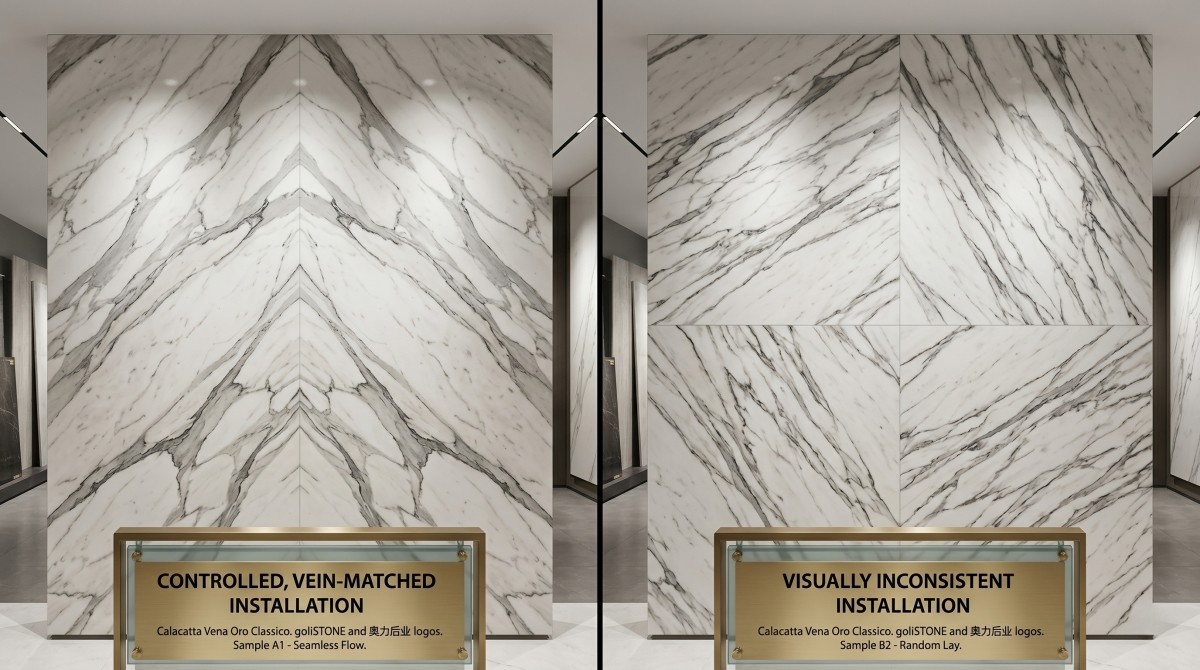
Stone is not only seen as an isolated surface. It is seen as part of a larger visual field.
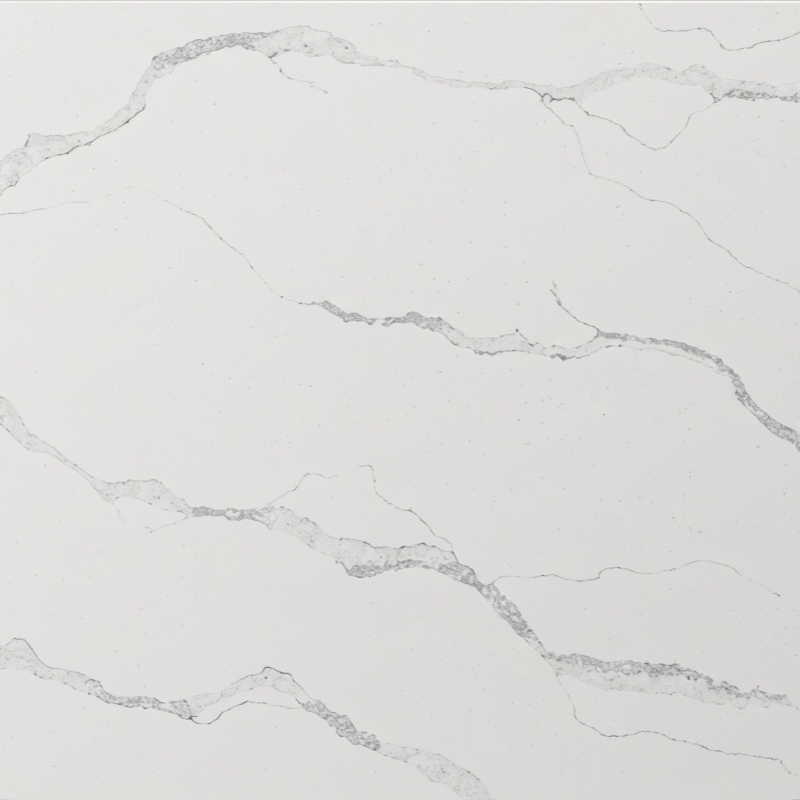
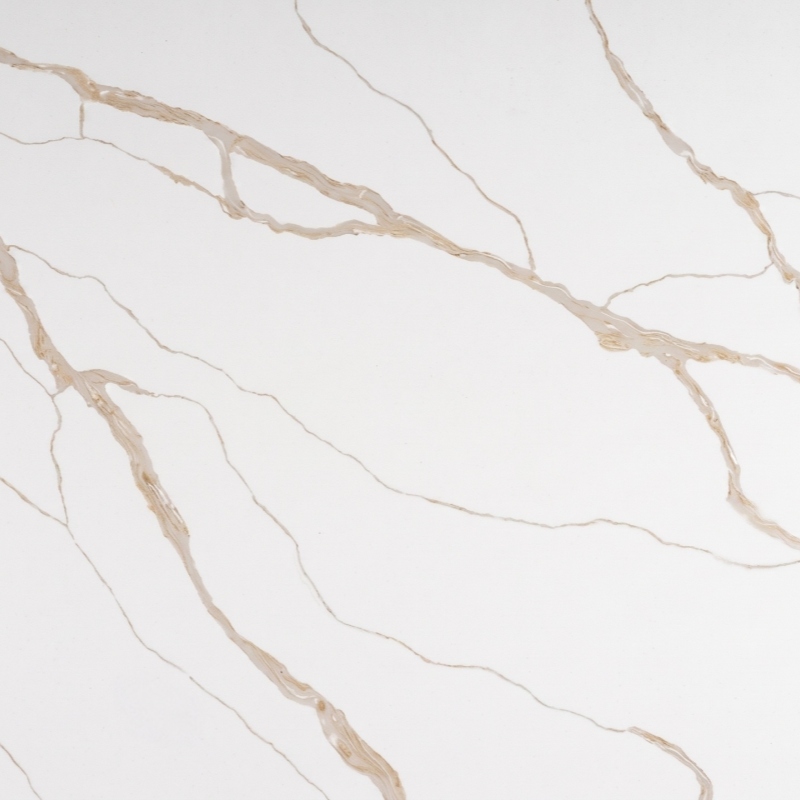
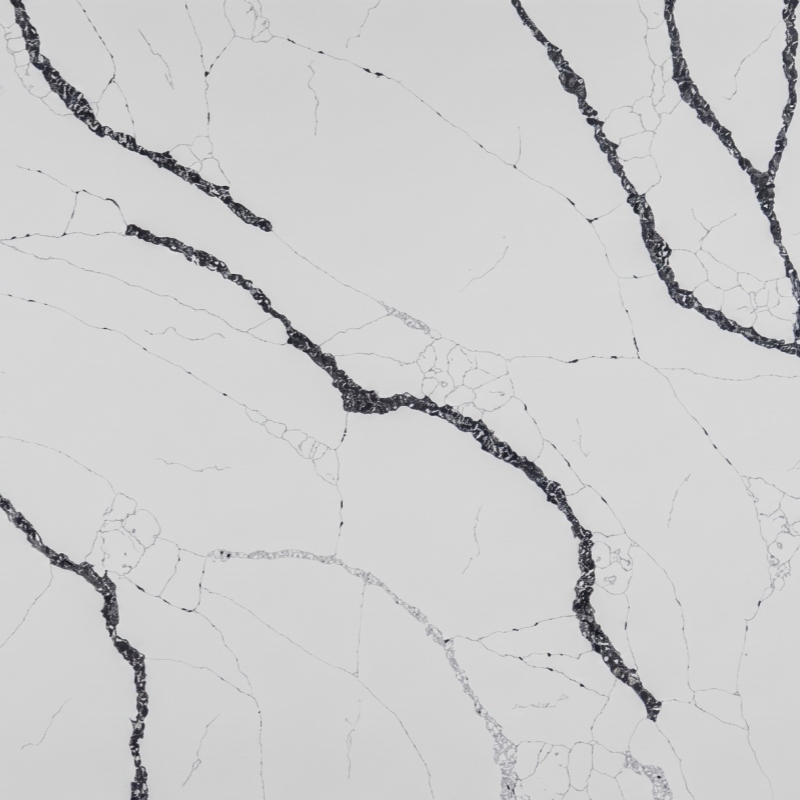
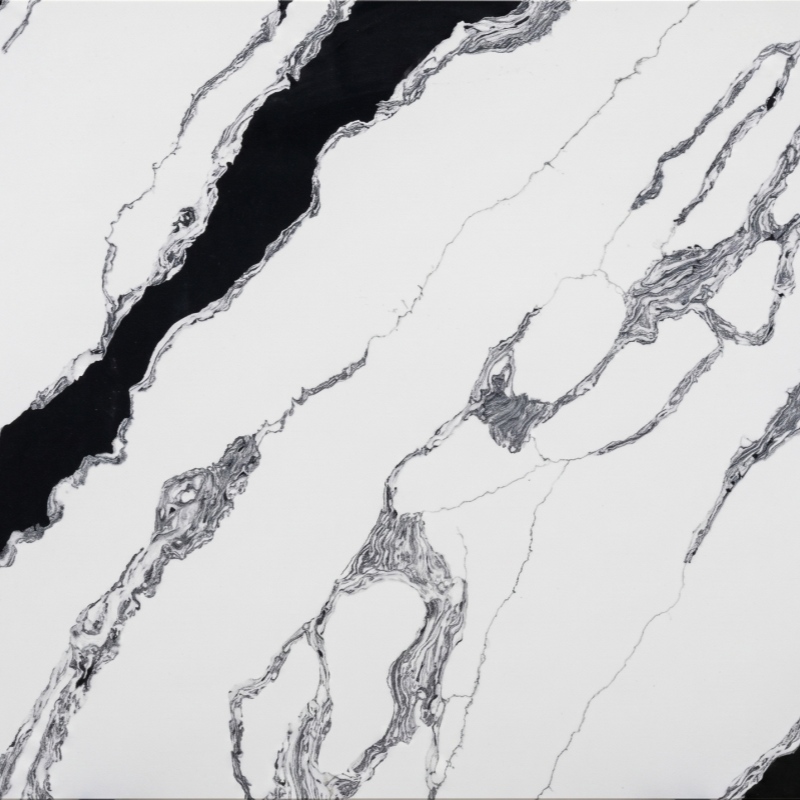
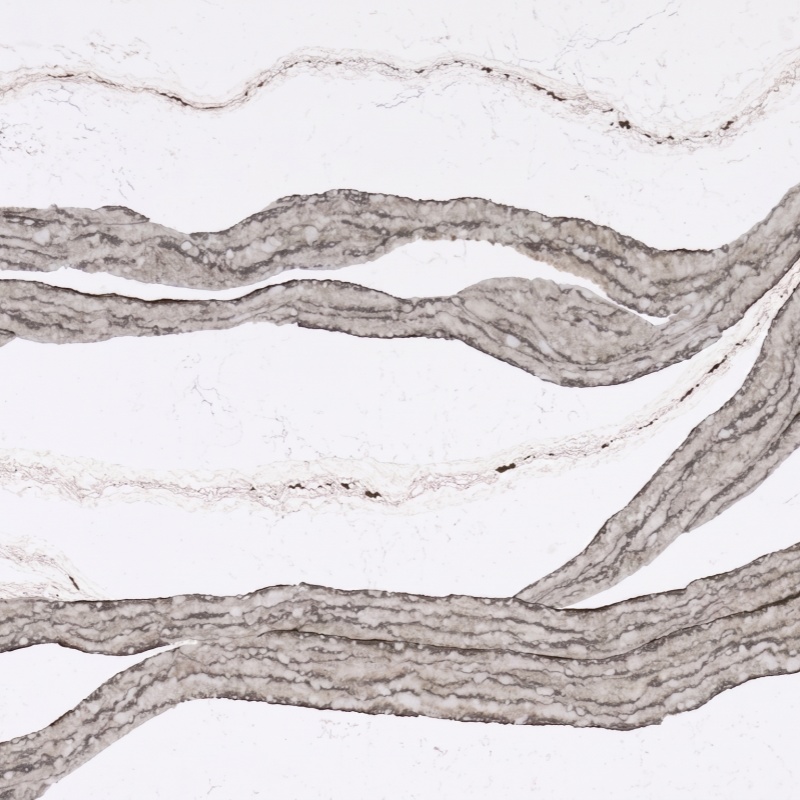
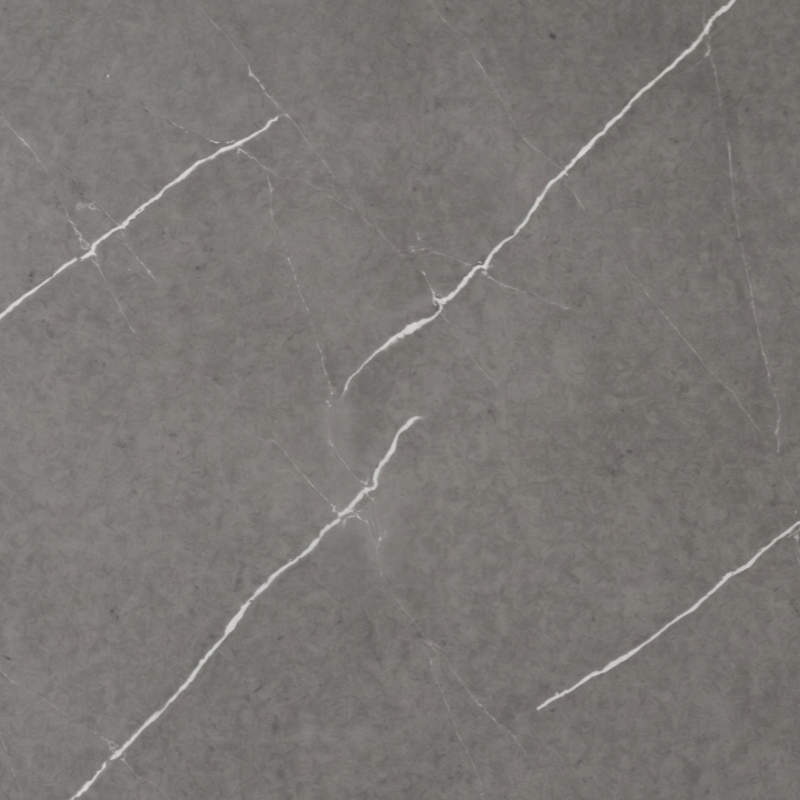
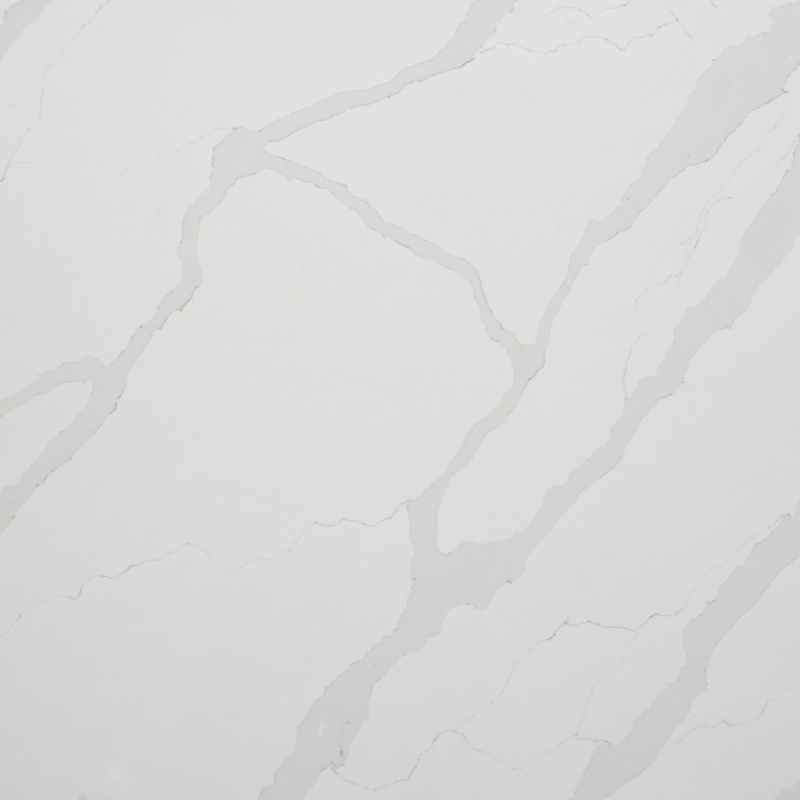
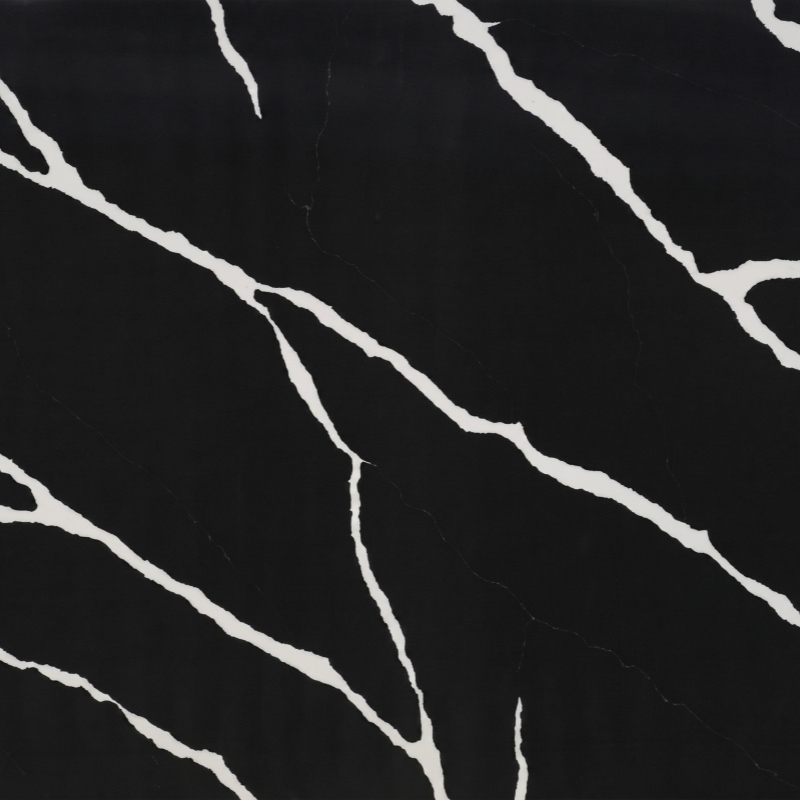
Vertical vein flow can make a wall feel taller. Horizontal movement can make a surface feel calmer and broader. Directional continuity can make a corridor, vanity run, or wall installation feel more composed. Chaotic changes in direction can make even a premium material feel broken into unrelated pieces.
A strong slab does not automatically create a strong installation.
Once the slab is divided into multiple project pieces, the orientation of each piece begins to matter much more. If the direction is inconsistent, the finished result can look random even though every individual piece is technically correct.
Some materials are highly directional. Some are only moderately directional. Some are visually active enough that strict directional control matters less. Some engineered materials still benefit from orientation planning, even if the effect is subtler than in natural marble.
The point is not that every project needs perfect vein matching. The point is that projects should not ignore direction where direction is clearly part of the material character.
A common mistake is to treat vein direction as something the installer will solve later.
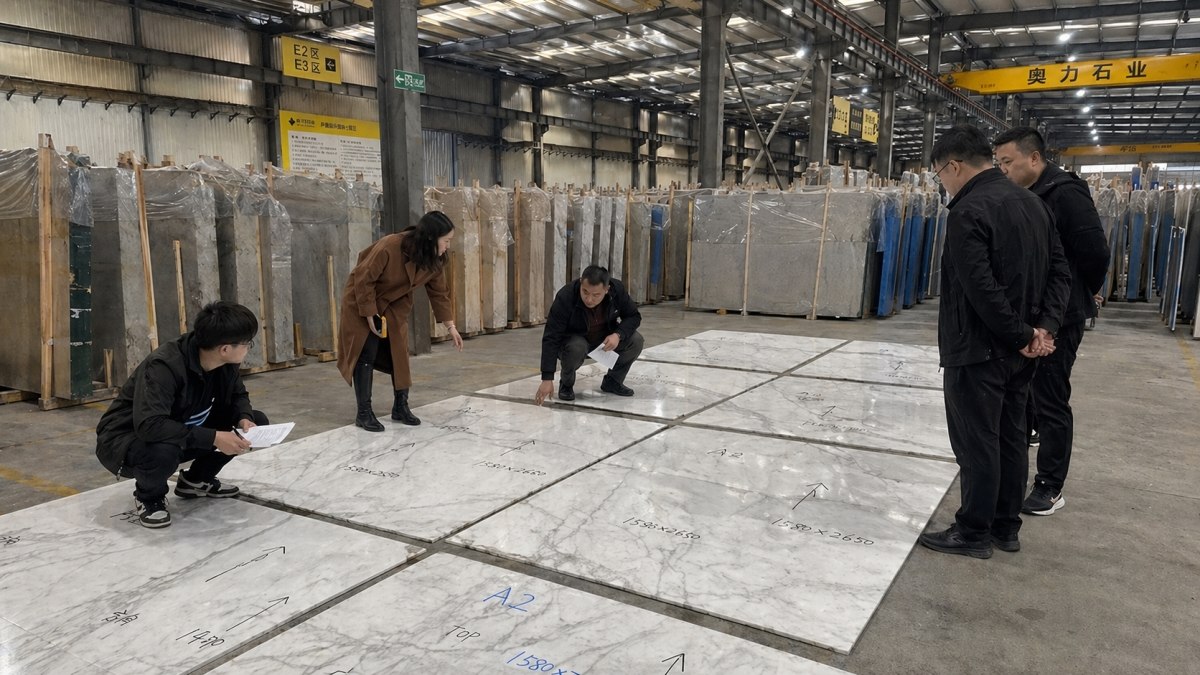
In reality, it starts much earlier. Once slabs are selected, cut planning already influences direction. Which part of the slab is used for which piece, how pieces are rotated, how sets are grouped, and how visible areas are prioritized all affect the final reading.
Poor vein direction control does not always make the project look technically wrong. It often makes it look less considered.
That difference matters in premium projects. Good stone can lose visual value when direction is careless. Average stone can look stronger when direction is handled intelligently.
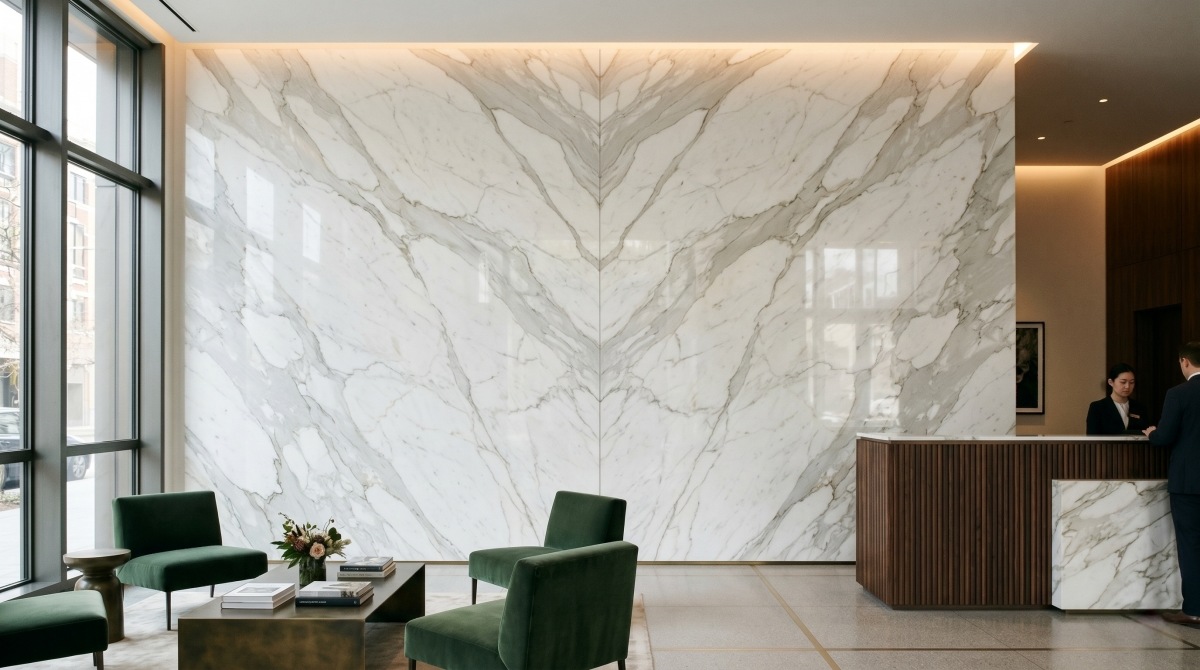
Bookmatching is a specific mirrored slab technique. Vein direction is broader. It includes all the decisions about how movement is oriented across single pieces, repeated pieces, grouped pieces, and longer visual runs.
A project does not need bookmatching everywhere to benefit from directional control.
In smaller pieces, inconsistency may be easier to forgive. In longer visual runs such as wall panels, corridor cladding, long countertops, or reception fronts, directional mistakes become more visible.
The longer the eye travels, the more it notices whether the material is guiding it or interrupting it.
Once the stone is cut, packed, delivered, and installed, directional dissatisfaction becomes hard to solve.
That is why buyers and suppliers should clarify direction-sensitive areas, visual priorities, continuity requirements, and whether slab photos or dry layout references need approval before fabrication begins.
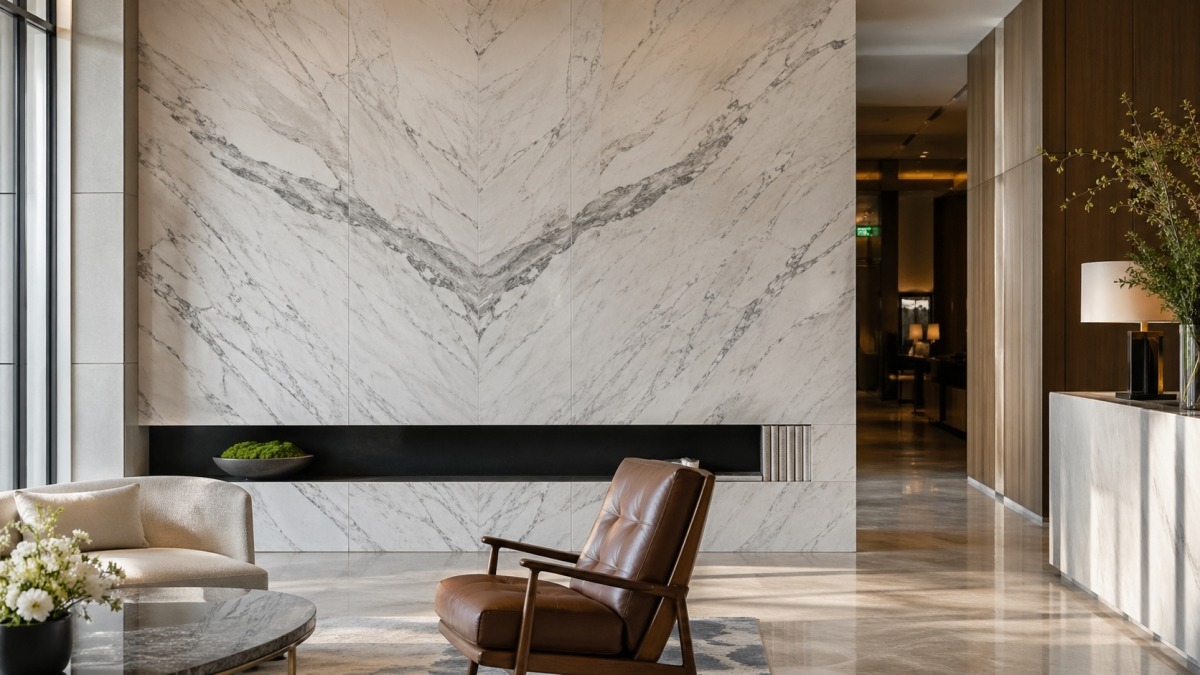
Vein direction matters because stone is not only a material. It is also a visual language.
When that language is handled well, the project feels more composed, more valuable, and more aligned with the design intent. When it is handled carelessly, even strong material can lose part of its effect.
That is why serious stone projects do not only ask whether the material is good. They also ask whether the movement inside the material is being used well.
Why a Stone Shop Drawing Review Can Save Weeks of Project Delay
Why a Stone Shop Drawing Review Can Save Weeks of Project Delay



 IPv6 network supported