English
 Español
 Português
 عربي
عربي 한국어
한국어

Natural marble is not a printed surface.
That is why people choose it.
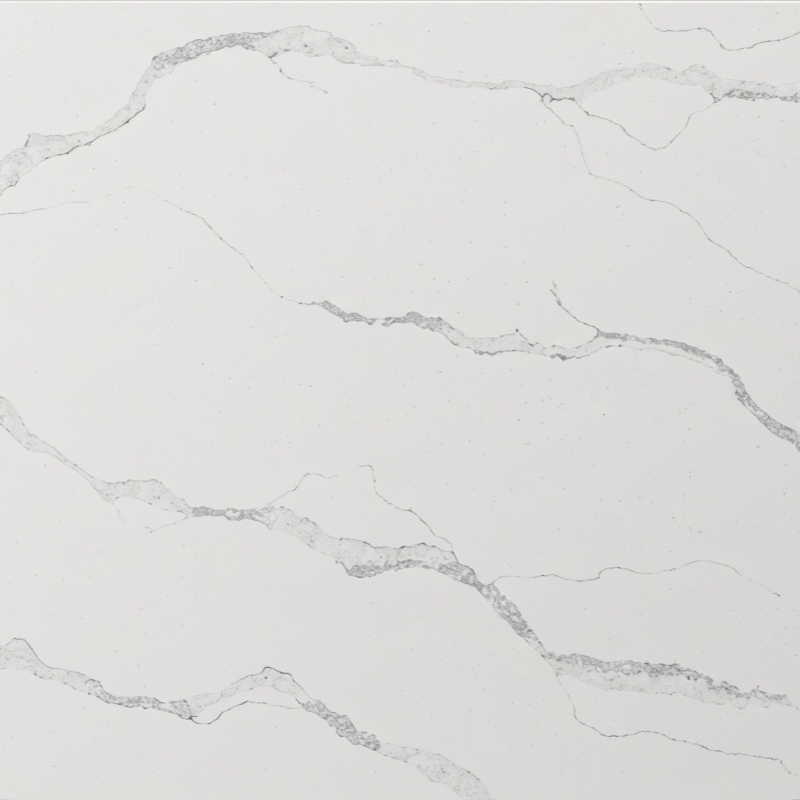
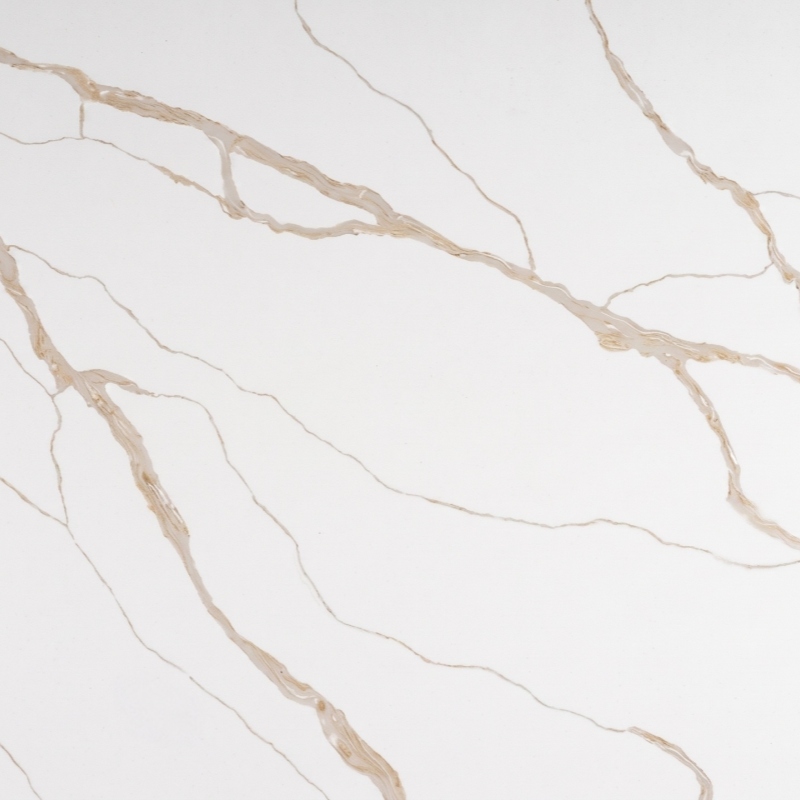
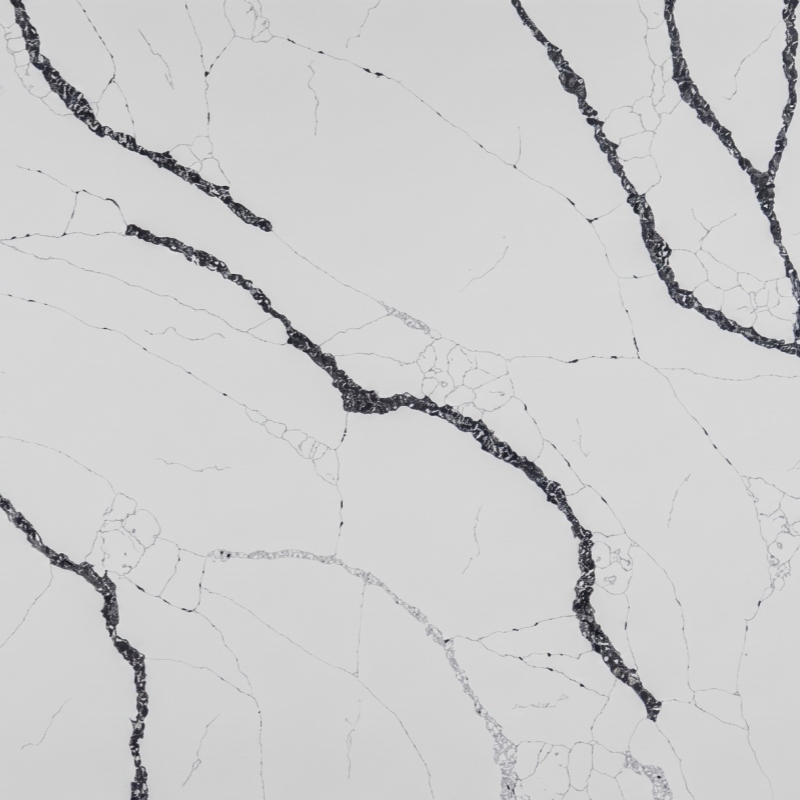
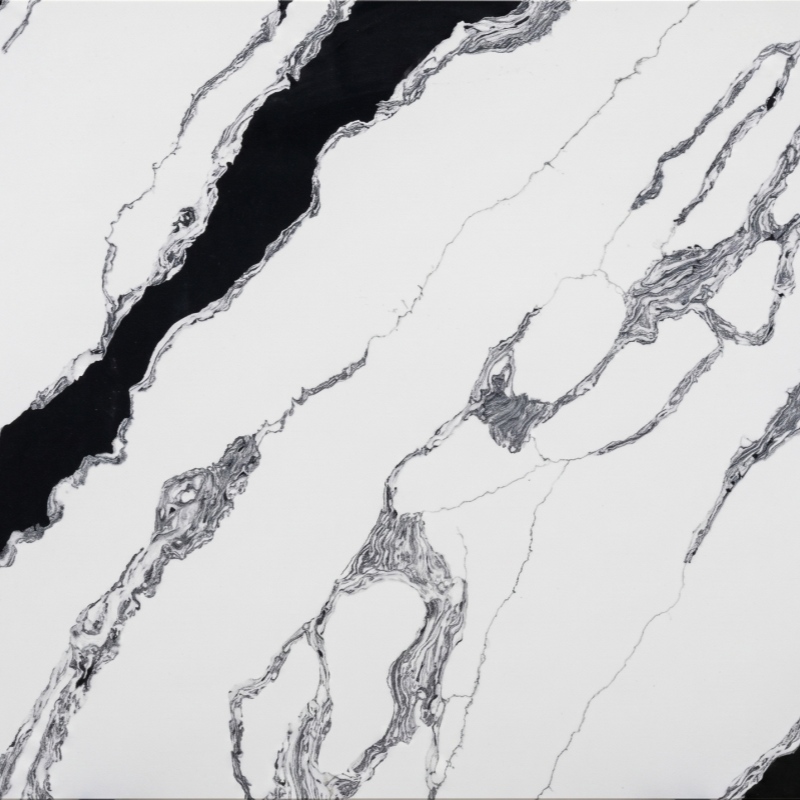
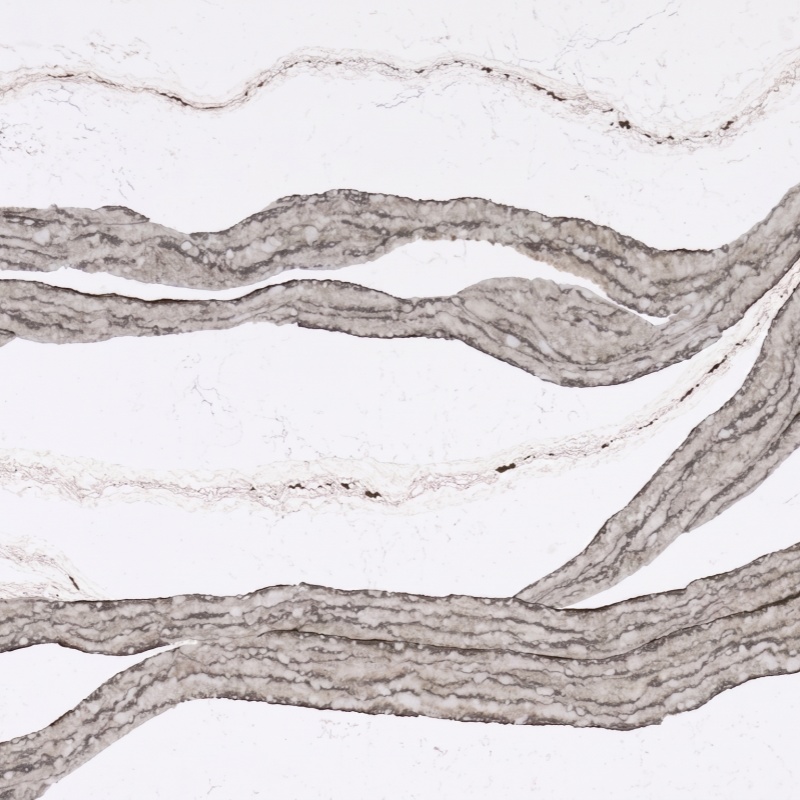
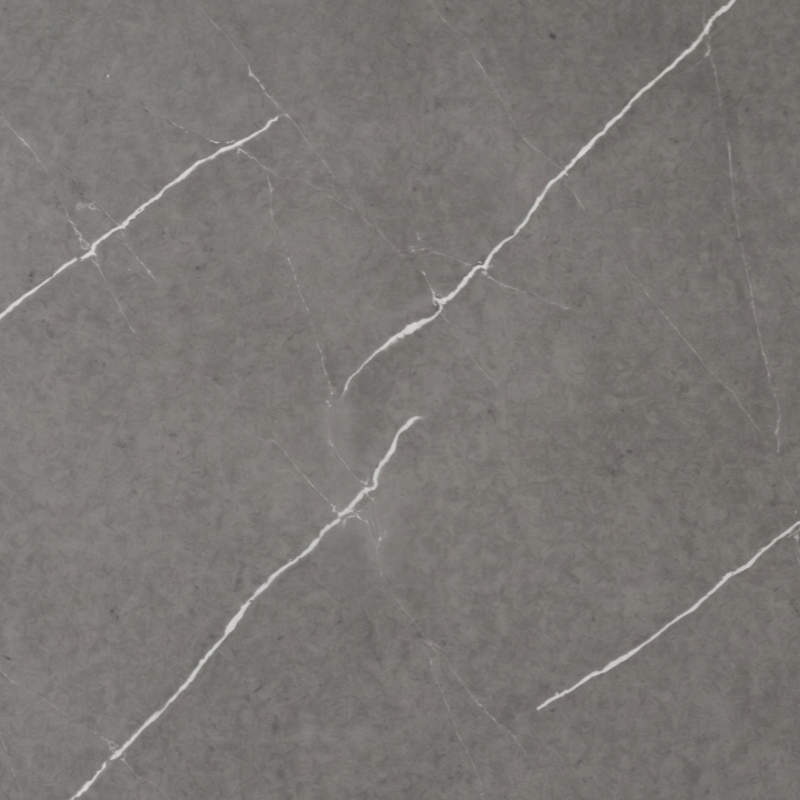
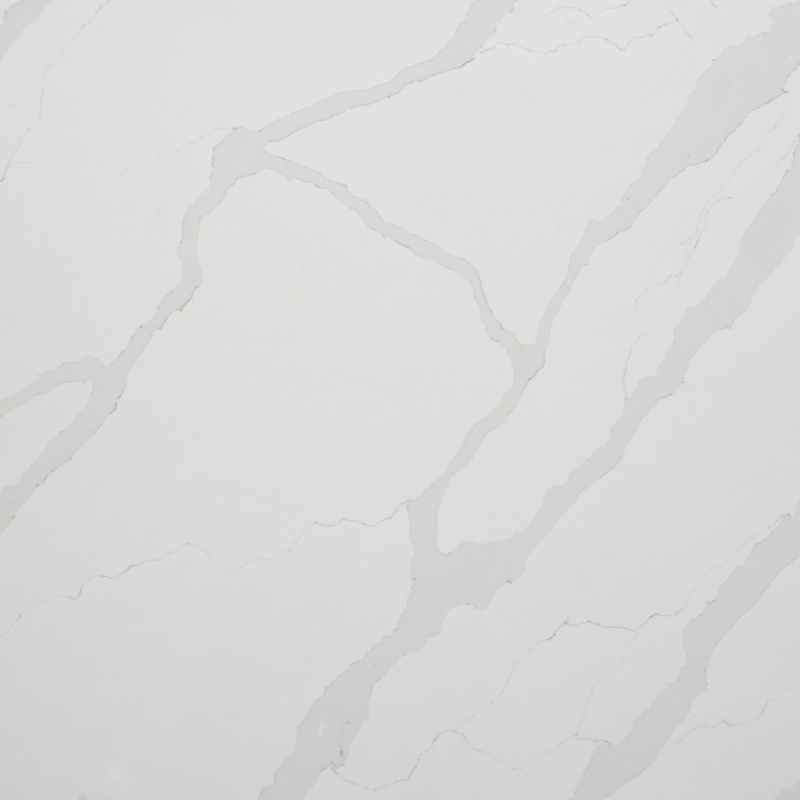
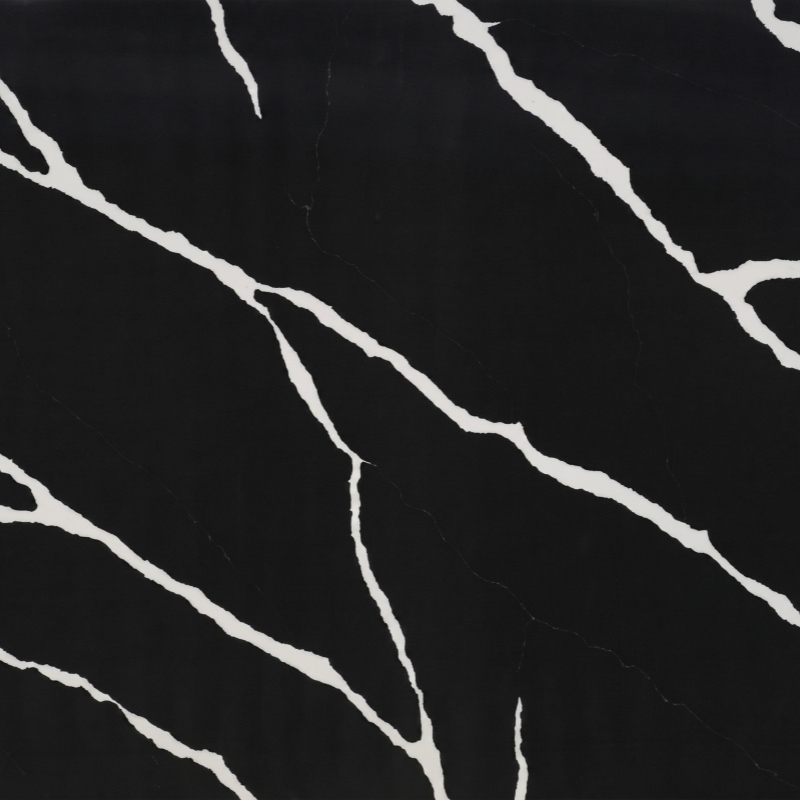
The movement, veins, clouds, crystals, background tone, and natural depth make marble feel different from artificial surfaces. A good marble wall, floor, staircase, counter, or lobby feature can carry a sense of material honesty that is difficult to imitate.
But the same character also creates risk.
A small sample may look calm. A full slab may show stronger movement. One slab may be warmer than another. A vein may become dominant across a wall. A floor may feel busier after installation than it looked in the sample box.
For serious buyers, natural marble variation in project supply should not be ignored, denied, or explained only after delivery. It should be managed before production begins.
【插入图片 1】
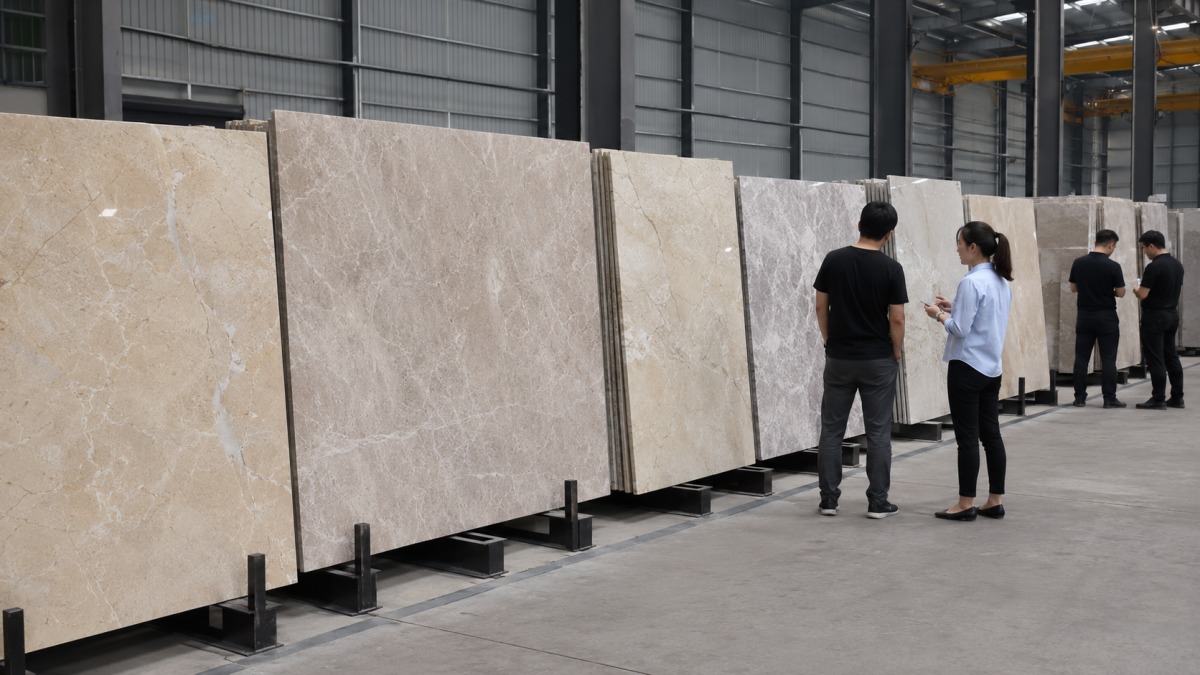
Variation Is Not Automatically a Defect
One of the biggest mistakes in marble buying is treating every difference as a problem.
Natural marble forms in the ground, not in a mold. Color movement, vein strength, crystal marks, cloudiness, mineral lines, fossils, small shade differences, and structural features may all be part of the material.
That does not mean every piece is acceptable.
Cracks, weak areas, unsuitable patches, poor repair, heavy unwanted areas, or uncontrolled slab mixing can become real project issues. But normal natural variation should not be confused with bad quality.
The professional question is not: “Can every slab look exactly the same?”
The better question is: “What range is acceptable for this project, and how will that range be controlled?”
A Small Sample Is Only the Beginning
A sample is useful. It helps buyers understand base color, finish, texture, and general material direction.
But a small sample cannot represent the full behavior of marble.
It may not show large-scale veining, stronger slab movement, background tone range, cloudy areas, block-to-block variation, bookmatching potential, usable and less usable zones, or how the stone will look across a wall or floor.
For natural marble materials for architectural projects, buyers should treat samples as an entry point, not a final guarantee of every installed piece.
Define the Acceptable Range Before Cutting
A project should not approve marble with vague words like “nice,” “same,” or “close.”
A better approval should define a practical acceptable range: base color range, vein density, vein direction, light and dark areas, crystal or cloud character, areas to avoid, acceptable natural markings, whether strong contrast is wanted, and whether panels should feel calm or dramatic.
The same marble can be suitable for one area and unsuitable for another.
Variation must be judged by application.
Visible Areas Deserve the Best Slab Allocation
Not every area in a project has the same visual importance.
A reception feature wall is different from a back corridor. A staircase front edge is different from a hidden side piece. A bathroom vanity top is different from a small threshold. A lobby floor center is different from a corner cut piece.
Good marble planning should allocate better-matched pieces to highly visible areas.
For marble project applications in commercial interiors, this is often where project quality is won or lost.
Slab Selection Should Follow the Final Application
Slab selection should not happen in isolation.
A slab that looks beautiful as a full piece may not be the best choice for small cut-to-size parts. A dramatic veined slab may work well for a feature wall, but not for repeated bathroom panels. A calm slab may be ideal for flooring, but too quiet for a decorative background wall.
Before production, buyers and suppliers should connect slab selection with wall elevation, floor layout, stair direction, countertop size, vanity top cutouts, bookmatch requirement, room type repetition, lighting condition, project budget, and installation sequence.
This is why stone slab selection before fabrication should be part of the production discussion, not a late visual check.
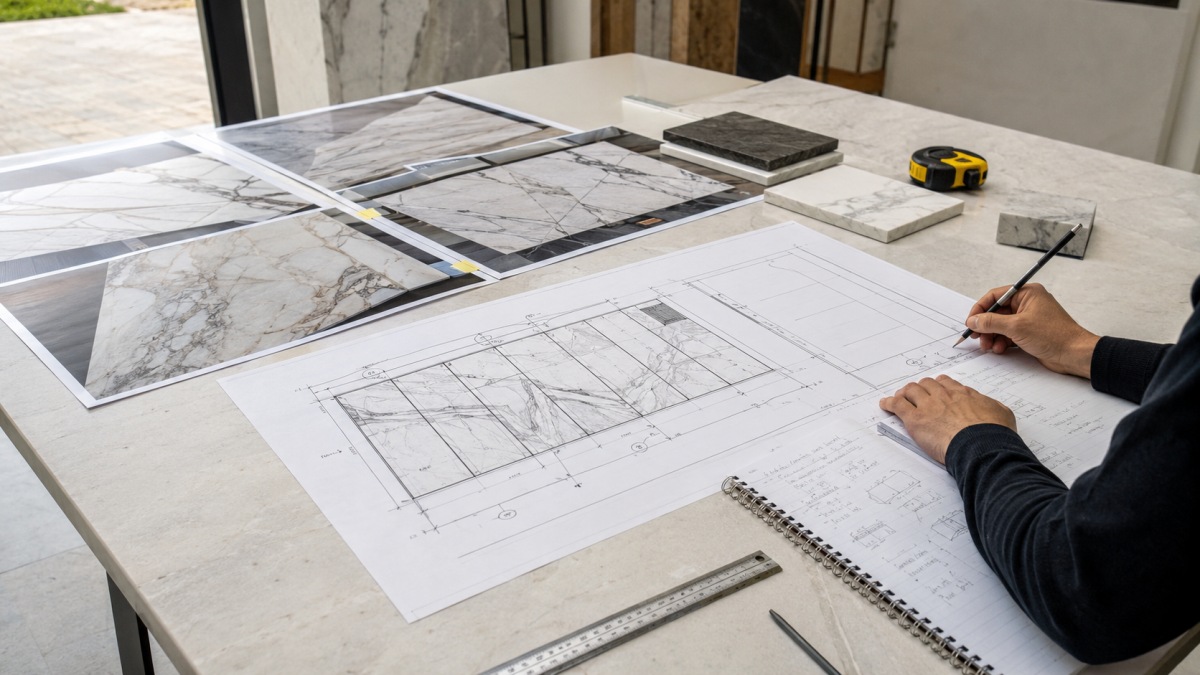
Bookmatching and Vein Direction Must Be Decided Early
Bookmatching can create a strong effect, but it is not suitable for every project or every marble.
It requires the right slabs, clear layout, controlled cutting, and careful installation sequence. If bookmatching is only discussed after production starts, the project may already have lost the best options.
Vein direction also needs early attention.
A vertical flow can make a wall feel taller. A horizontal flow can make a space feel wider. A random direction can feel natural in some cases, but messy in others.
The key is intention.
Finish and Lighting Can Change the Perceived Variation
The same marble can look very different after finishing.
Polished marble usually makes color and veins stronger. Honed marble may soften contrast. Lighting can also change the perceived tone and movement.
A slab that looks balanced in warehouse light may look stronger under hotel lobby spotlights. A grey marble may appear warmer or cooler depending on the lighting. Beige marble may look richer under warm light and flatter under cold light.
Before approval, buyers should consider where the marble will be installed and how it will be lit.
Dry Layout Helps When the Visual Result Matters
Dry layout is not necessary for every order.
But for important visible areas, it can be very useful. Feature walls, bookmatched panels, marble medallions, staircase packages, lobby floors, and high-end interior areas often benefit from layout review before packing.
Dry layout helps check visual flow, piece sequence, vein direction, tone matching, joint relationship, panel numbering, unsuitable pieces, and installation logic.
This is where stone manufacturing and fabrication capability becomes visible.
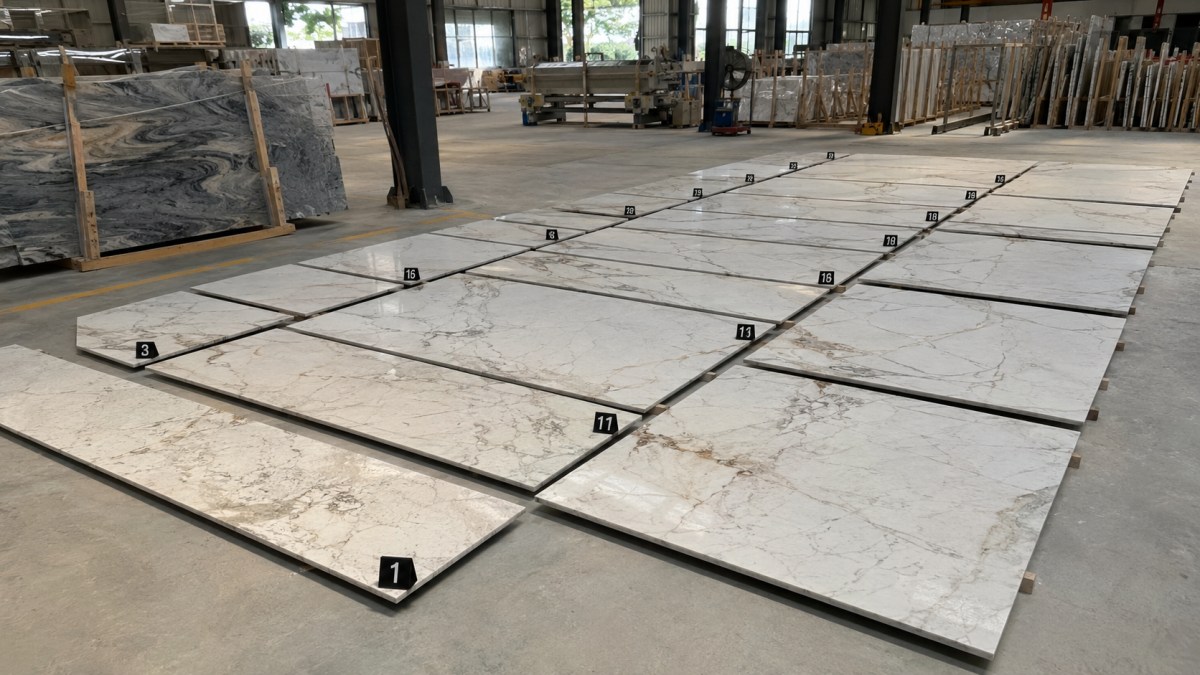
Documentation Prevents Many Disputes
Natural marble projects need clear records.
Useful records may include approved sample photos, slab photos, finish confirmation, acceptable range notes, layout drawings, dry layout photos, piece numbers, packing photos, crate lists, and special buyer comments.
For international stone project supply from China, documentation helps the buyer understand what was selected, produced, packed, and shipped, even when they cannot visit the factory in person.
If certificates, test reports, or export documents are needed, buyers can also review stone certificates and downloadable documents as part of supplier evaluation.
A Responsible Supplier Should Not Overpromise
A serious marble supplier should be honest.
They should not promise that natural marble will look identical piece by piece. They should not hide strong variation until after the deposit. They should not send only the best small sample and ignore the actual slab range.
A better supplier should explain what natural variation is normal, what range is available, which slabs are suitable, which areas may need selection, whether bookmatching is realistic, whether extra material is needed, how pieces will be numbered, and how photos and packing records will be shared.
This kind of communication may feel slower at the beginning, but it prevents bigger problems later.
All in All
Natural marble variation is not something to fear. It is part of why marble is valuable.
But variation must be managed.
For project buyers, the goal is not to force marble to behave like printed material. The goal is to understand the range, select slabs wisely, plan visible areas, confirm finish and lighting expectations, document approvals, and control fabrication before production begins.
A beautiful marble project is not created by luck.
It is created by material judgment, project planning, and honest communication.
For slab review, layout planning, fabrication coordination, and export support, buyers can contact Aoli Stone for natural marble project support.



 IPv6 network supported