English
 Español
 Português
 عربي
عربي 한국어
한국어

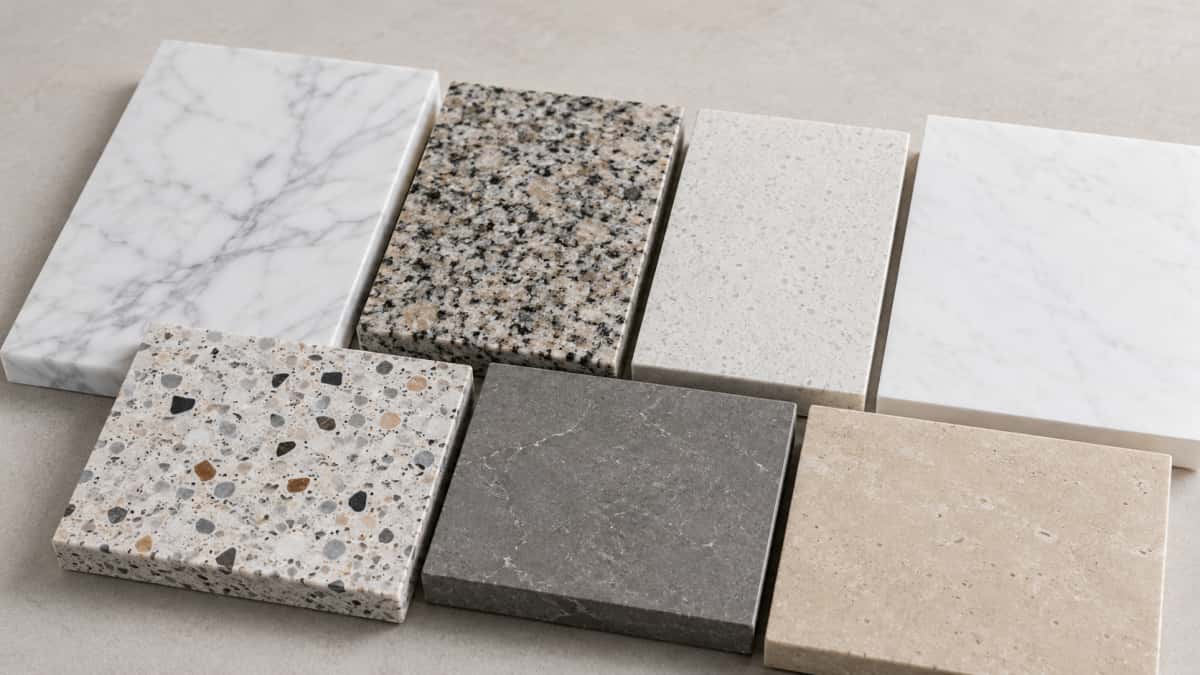
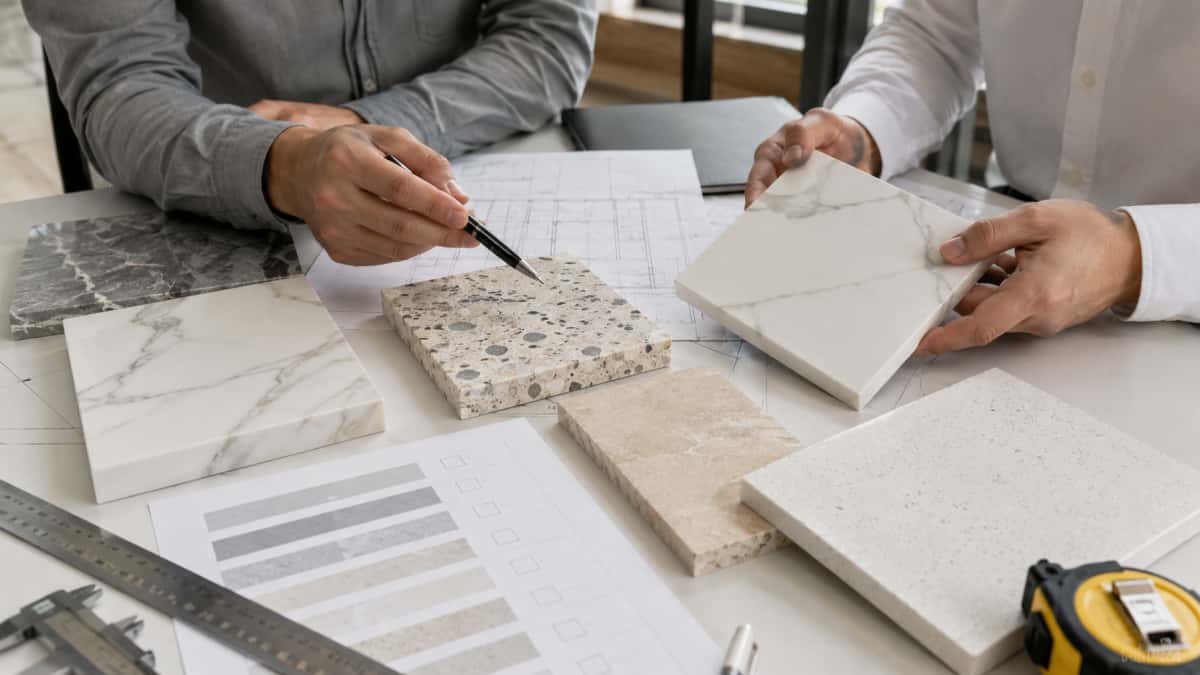
Choosing stone for a hotel, villa, retail space, office building, or commercial project is not only a question of color. The better question is: where will the material be used, who will maintain it, how much traffic will it receive, and what problems may appear after installation? Natural marble, granite, quartz stone, artificial marble, terrazzo stone, sintered stone, and limestone can all be useful materials, but they do not solve the same project problems.
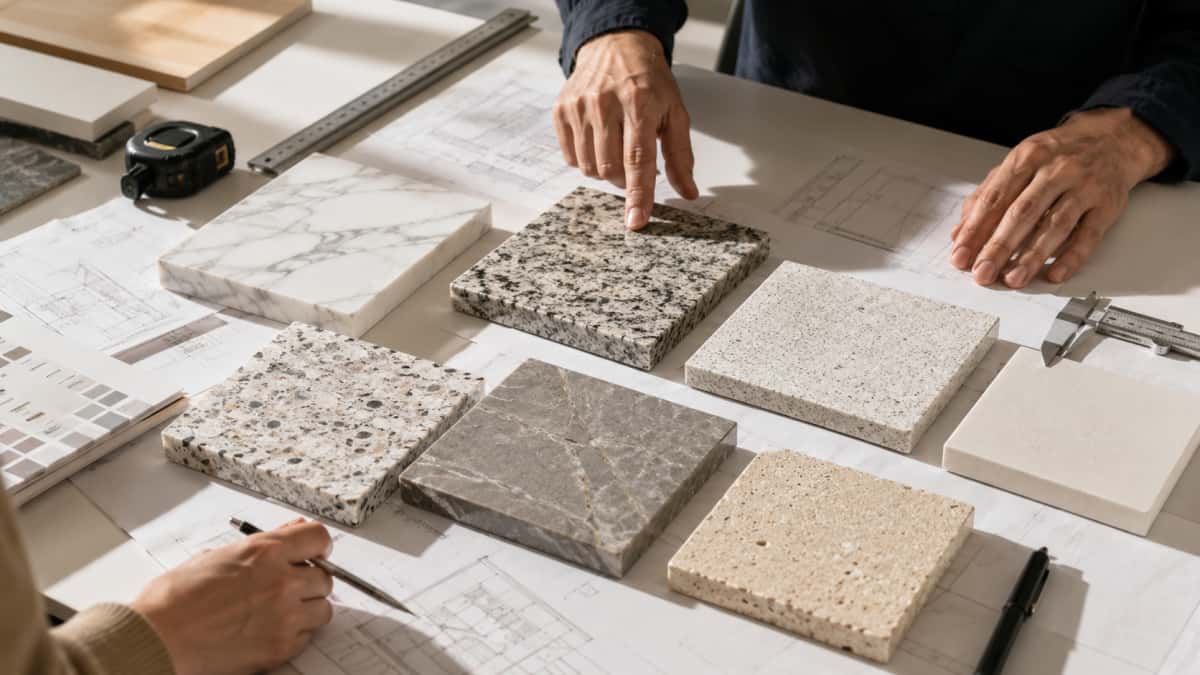
A common mistake in stone selection is to start with a beautiful slab photo and then force the material into every area of the project. This often creates issues later: slippery floors, stained countertops, mismatched batches, damaged edges, unexpected maintenance, or design effects that look good in a sample but fail in a large installation. A good stone decision starts from the project area, not from the showroom image.
Material selection should begin with the real use of the space
Before choosing any stone material, buyers should first divide the project into different functional areas. A hotel lobby does not face the same conditions as a guest bathroom. A villa kitchen is different from an exterior façade. A retail floor is different from a decorative wall. Even when the same color direction is required, the material choice may need to change from area to area.
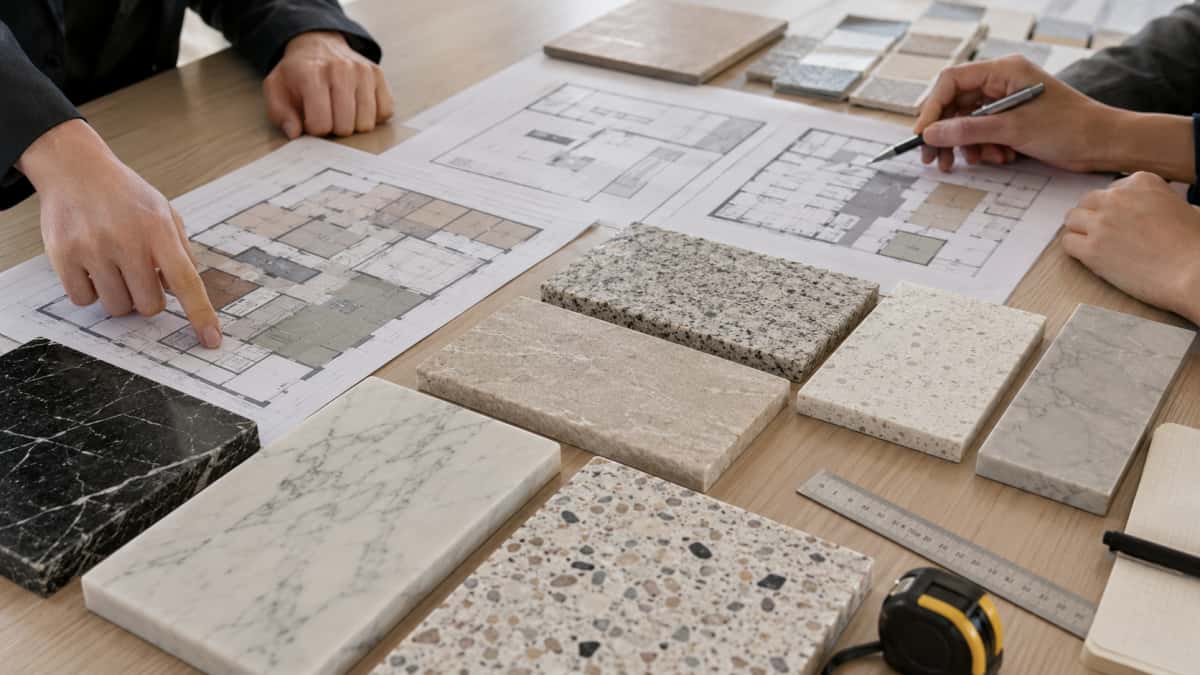
A practical material decision usually depends on seven questions:
What level of foot traffic will the area receive?
Will the surface contact water, oil, cosmetics, food, cleaning chemicals, or outdoor weather?
Is the stone mainly decorative, structural, or functional?
Does the project require natural variation or consistent color control?
Will the installer cut on site, or should the supplier prepare cut-to-size pieces?
How skilled is the local maintenance team after handover?
How much risk can the buyer accept in color variation, edge damage, or future repair?
The right material is not always the most expensive one. It is the material that fits the real use conditions of the project.
Natural marble: strong visual value, but it needs respect
Natural marble is often selected for hotel lobbies, reception walls, feature walls, luxury bathrooms, staircases, lift surrounds, villas, and premium commercial interiors. Its strongest value is not only color, but natural depth, veining, movement, and uniqueness. When well selected and properly installed, natural marble can create a level of visual richness that engineered materials often try to imitate.
However, natural marble is not a universal solution. It is naturally variable, and buyers should expect differences between blocks, slabs, and batches. Some marbles are more porous or sensitive to acidic substances than others. In high-use areas, the finish, sealing, maintenance plan, and cleaning method matter as much as the slab itself.
Natural marble works best when the buyer accepts natural variation and plans the layout carefully. For bookmatched walls, large floors, or stair projects, slab selection and dry lay review are not optional details. They directly affect the final visual quality.
A useful rule: use natural marble where visual identity matters and where the project team can manage selection, layout, installation, and maintenance properly.
Granite: practical strength for demanding areas
Granite is often considered when the project needs stronger wear resistance, better outdoor suitability, or a more practical surface for heavy-use areas. It can be suitable for exterior paving, steps, public areas, commercial floors, wall cladding, and some countertop applications, depending on the specific stone and finish.
Compared with marble, granite is usually chosen less for soft luxury movement and more for durability, stability, and long-term service. That does not mean every granite is problem-free. Color, finish, thickness, surface treatment, slip resistance, edge design, and installation method still need to match the project area.
Granite is especially worth considering when the buyer’s priority is performance over delicate visual softness. For public or semi-public spaces, this practical value can be more important than a dramatic vein pattern.
A good granite choice is not just about hardness. It is about choosing the correct finish and specification for the way the area will be used.
Quartz stone: strong for interior countertops, but not for every area
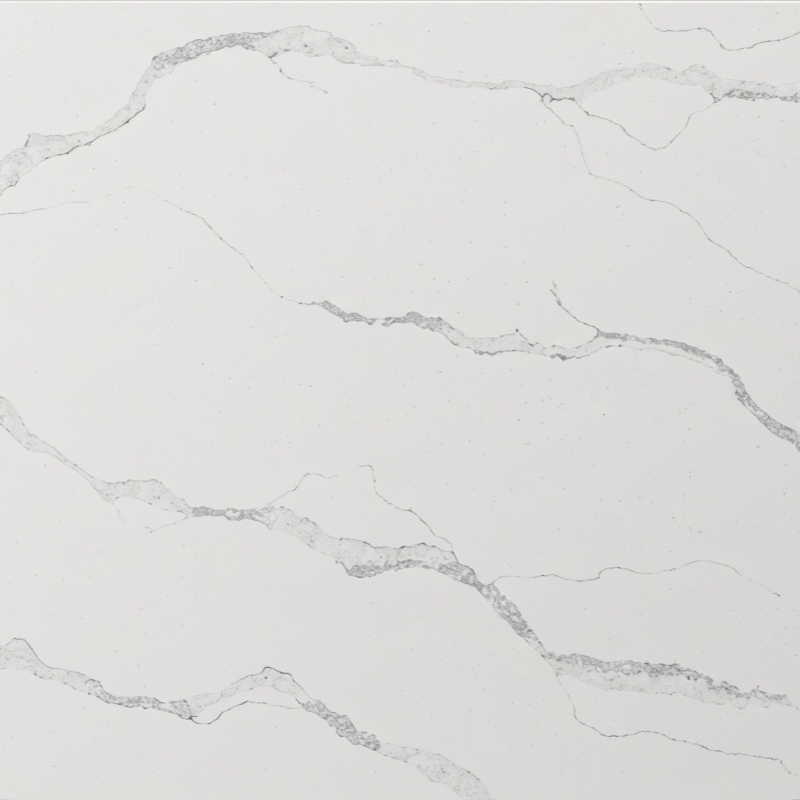
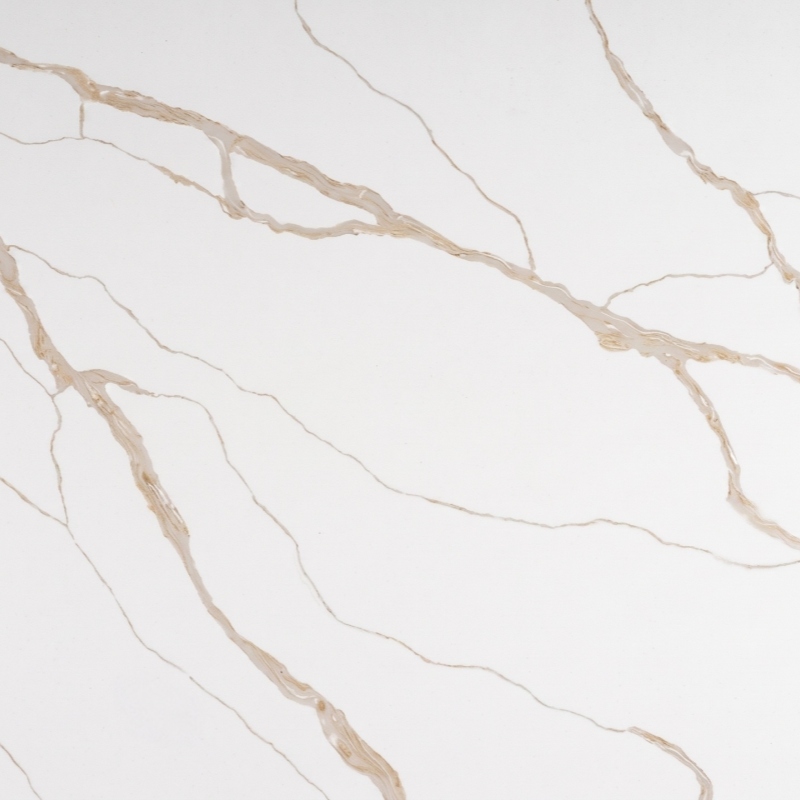
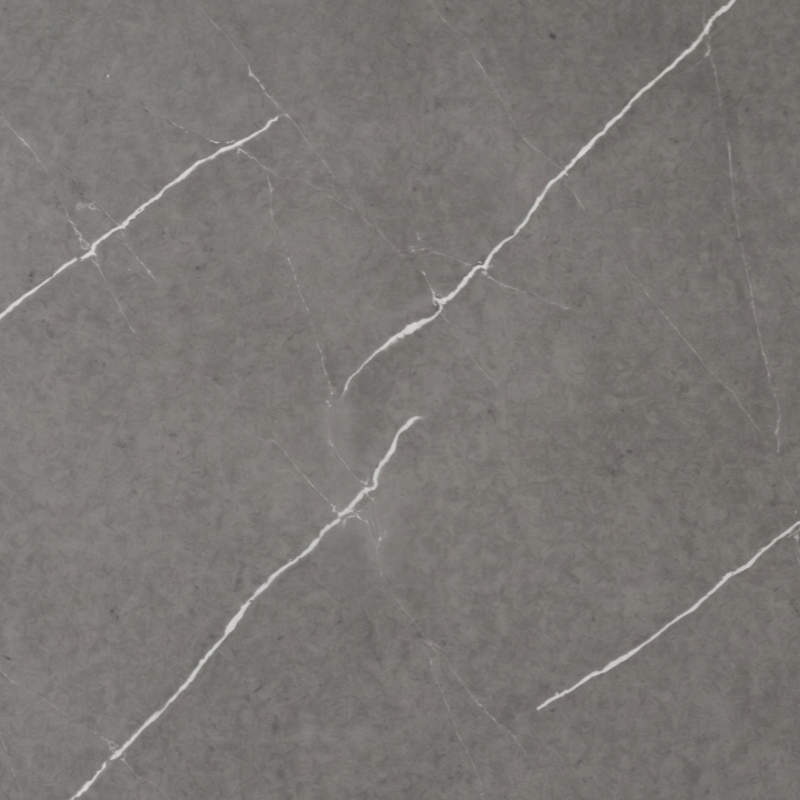
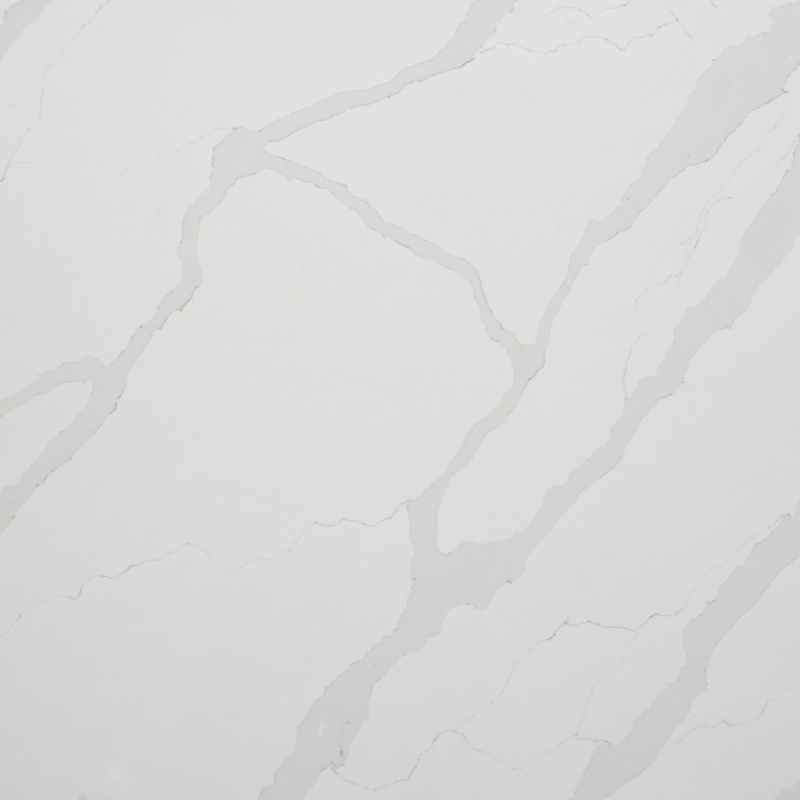
Quartz stone is an engineered stone material commonly used for kitchen countertops, vanity tops, worktops, commercial counters, and interior surfaces that need relatively consistent appearance and easier daily maintenance than many natural stones. For projects where color consistency, slab repeatability, and countertop fabrication are important, quartz stone can be a practical choice.
But quartz stone should not be treated as the answer to every surface. It is not natural marble, and it should not be specified as if it behaves like natural stone. Because quartz slabs normally contain resin or binder systems, exterior use, high UV exposure, excessive heat, and certain harsh conditions should be reviewed carefully with the supplier. Edge design, sink cutouts, joint positions, and transportation protection also matter.
Quartz stone is often a strong choice when the project needs clean interior countertops with controlled appearance. It is less suitable when the designer expects the irregular depth of natural marble or when the area is exposed to conditions beyond the material’s intended use.
The mistake is not choosing quartz. The mistake is using quartz without understanding where engineered stone performs well and where it should be avoided.
Artificial marble / agglomerated marble: useful for controlled visual effect and project quantity
Artificial marble, also called agglomerated marble or engineered marble in many markets, is often used for interior floors, walls, commercial spaces, retail areas, hotel corridors, vanity areas, and project surfaces where the buyer wants a marble-style appearance with more controlled color and batch consistency than many natural marbles.
Its value is different from natural marble. It is not selected because each slab is unique. It is selected because the project may need repeatability, stable tone, easier quantity control, and a certain decorative effect across many rooms or many square meters.
This makes artificial marble useful for commercial projects, but it also has limits. Buyers should not treat it as granite, quartz, or sintered stone. The composition, resin or binder system, surface finish, application area, expected traffic level, and maintenance method should be checked. Some artificial marble products are better for walls and decorative use; others may be suitable for flooring depending on specification and project conditions.
For procurement teams, artificial marble can be a practical option when design consistency, quantity supply, and cost control matter. But the project must still confirm thickness, finish, installation area, cutting requirements, packing, and maintenance expectations.
Consistency is a procurement decision, not only a design preference.
Terrazzo stone: good for design rhythm, but details decide the result
Terrazzo stone is often used in hotels, retail stores, restaurants, commercial floors, public interiors, wall panels, stairs, and custom design elements. Its visual language is different from marble or quartz. Instead of long veins, terrazzo works through aggregate size, chip color, base color, density, and overall design rhythm.
For architects and interior designers, terrazzo can be very flexible. It can look quiet and minimal, or bold and decorative. It can help connect floors, walls, counters, and furniture details in one design system.
The key issue is not whether terrazzo is beautiful. The key issue is whether the selected terrazzo matches the project’s traffic, cleaning method, slip requirement, finish, thickness, edge detail, and installation plan. Aggregate size can also affect cutting, edge appearance, and visual balance in small pieces.
Terrazzo should be selected with physical samples, not only digital images. A terrazzo pattern that looks balanced in a small crop may feel too busy, too empty, or too large-scale when installed across a full lobby floor.
Sintered stone: modern surface performance, but fabrication must be controlled
Sintered stone is commonly considered for modern interior walls, furniture surfaces, countertops, bathroom panels, commercial spaces, and large-format applications. Its appeal often comes from thin large panels, modern patterns, and performance characteristics that can be suitable for demanding surface applications.
However, sintered stone requires careful fabrication and installation control. Large-format panels, thin thicknesses, mitered edges, cutouts, transportation, and on-site handling can create risk if the project team is not experienced. A material may have strong surface performance, but the final result can still fail because of poor edge design, wrong support, careless cutting, or weak installation planning.
Sintered stone is often a good option when the design requires a modern, clean, large-panel effect and the project has the right fabrication and installation capability. It is less suitable when the buyer only compares the surface pattern but ignores processing risk.
The larger and thinner the panel, the more important the technical details become.
Limestone: warm and architectural, but not careless
Limestone is often selected for façades, wall cladding, landscape areas, villas, hospitality projects, and interiors that need a softer architectural tone. It can create a calm, natural, warm, and less polished feeling than many marbles.
But limestone should be used with care. It is generally softer and more absorbent than many granites. Different limestones behave differently, especially in exterior climates, wet zones, heavy-traffic floors, or areas exposed to pollution and cleaning chemicals. Finish selection, sealing, thickness, fixing method, and long-term weathering expectations should be discussed before ordering.
Limestone can be an excellent architectural material when the project respects its natural character. It becomes risky when buyers treat it like a hard, low-maintenance industrial surface.
Choosing stone by project area
Hotel lobby and reception areas
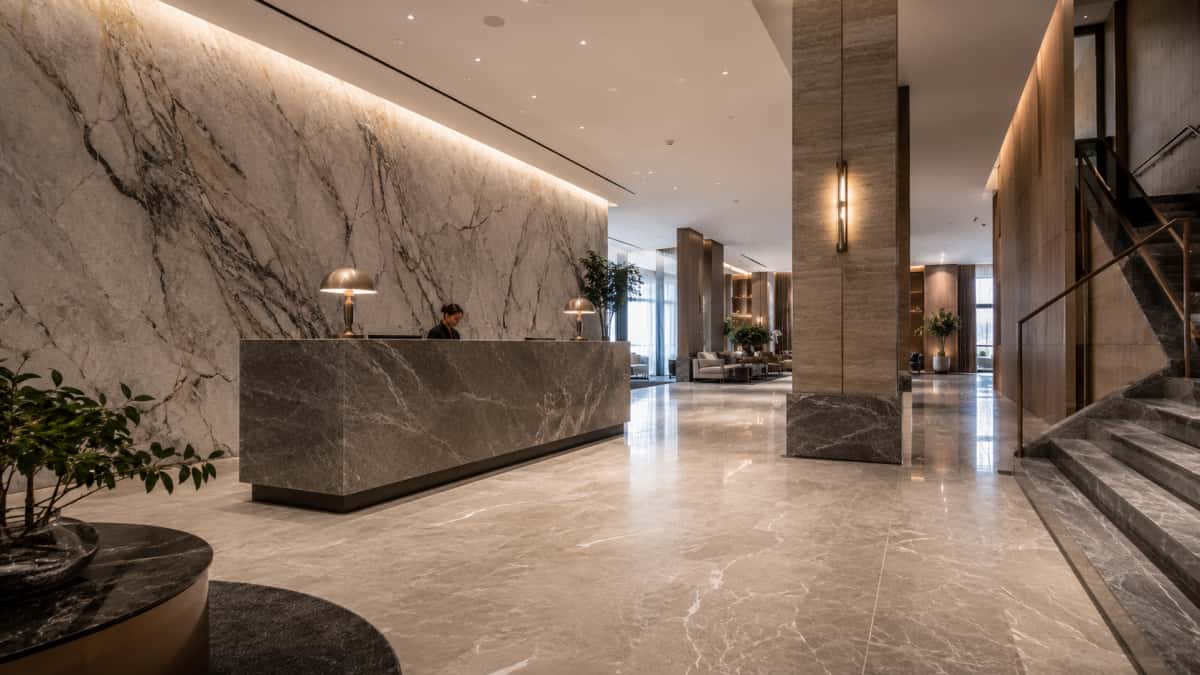
Hotel lobbies need visual impact, but they also receive foot traffic, luggage movement, cleaning, and constant use. Natural marble may work well for feature walls, reception walls, lift surrounds, and premium floors when selection and maintenance are well planned. Terrazzo can be useful for larger floor areas where the design needs rhythm and traffic tolerance. Artificial marble may be suitable when the project needs a controlled marble-style appearance across a wider area.
The main decision is whether the surface is mainly for visual identity or daily traffic. A dramatic natural marble wall can be a strong design choice. The same marble on a busy floor may require more careful review.
Hotel corridors and guest rooms
Corridors and guest rooms often need consistency, reasonable maintenance, and repeatable supply. Artificial marble, terrazzo, quartz for selected tops, and some natural stones may all be considered depending on the design and budget.
For large hotel quantities, buyers should pay close attention to batch consistency, packing labels, room-by-room cutting lists, and replacement pieces. The material choice is not separate from the supply method.
Bathrooms and vanity areas
Bathrooms involve water, cosmetics, cleaning products, joints, edges, and long-term maintenance. Natural marble can look excellent in luxury bathrooms, but it must be selected and maintained properly. Quartz stone can be practical for vanity tops in many interior projects. Artificial marble may be used for walls or vanity-related applications depending on specification. Sintered stone may be suitable for large panel effects if fabrication and installation are controlled.
Buyers should never choose bathroom materials only by color. Water exposure, sealing, slip resistance, edge details, and cleaning habits matter.
Kitchens and countertops
Countertops are working surfaces, not only decorative surfaces. Quartz stone is often chosen because it offers consistent appearance and practical maintenance for interior countertops. Granite can also be considered where a natural, hard-wearing surface is preferred. Natural marble can be used in some luxury kitchens, but buyers should understand its sensitivity to acids, stains, and daily wear.
If the project involves sink cutouts, faucet holes, stove openings, backsplash pieces, waterfall edges, or mitered corners, the buyer should provide drawings and confirm fabrication details before production.
Exterior façades and outdoor areas
Exterior areas require a different level of caution. Sunlight, rain, temperature change, pollution, fixing systems, and long-term weathering all affect material performance. Granite and selected limestones are often considered for exterior use, depending on project conditions. Natural marble may be used in some façade projects, but the stone type, climate, finish, thickness, and fixing method must be reviewed carefully.
Quartz stone and many resin-based artificial stones should not be automatically assumed suitable for exterior use. Buyers should confirm application limits before specifying them outdoors.
Stairs, steps, and public floors
Stairs and public floors require special attention because they combine visual effect, wear, safety, and fabrication accuracy. Natural marble, granite, terrazzo, and artificial marble may all appear in stair or floor projects, but not under the same conditions.
The buyer should consider slip resistance, nosing detail, riser matching, thickness, edge protection, dry lay, and replacement logic. For stairs, one wrong detail can affect both safety and appearance.
Commercial retail and restaurant spaces
Retail and restaurant projects often need design identity, fast installation, reasonable maintenance, and cost control. Terrazzo can create a strong brand atmosphere. Artificial marble can support consistent decorative surfaces. Quartz stone can work well for counters and service areas. Natural marble can be used for selected feature zones where the visual value is high.
The key is to avoid overusing one material everywhere. A practical commercial project often uses different materials for different functions while keeping a consistent design language.
A simple decision path for buyers
If the area needs strong natural luxury and accepts variation, consider natural marble.
If the area needs practical strength and outdoor or heavy-use performance, review granite.
If the area is an interior countertop or work surface needing consistency, consider quartz stone.
If the project needs marble-style consistency across many areas, review artificial marble or agglomerated marble.
If the design needs aggregate texture and project rhythm, consider terrazzo stone.
If the design needs modern large-format surfaces, review sintered stone with fabrication control.
If the project needs a warm architectural natural tone, review limestone carefully.
This is not a fixed formula. It is a starting point for discussion. The final decision should depend on drawings, area use, finish, thickness, quantity, maintenance ability, installation method, and budget.
What buyers should ask before confirming the material
Before paying a deposit or approving production, buyers should ask the supplier:
Is this material suitable for the exact project area?
What are the common risks in this application?
Can the supplier show similar project experience or relevant production photos?
How much color or pattern variation should be expected?
Is the material better supplied as slabs or cut-to-size pieces?
What thickness and finish are recommended for this use?
What should the installer know before installation?
What maintenance should the project owner prepare after handover?
Good suppliers should not simply say “yes” to every material request. They should help the buyer understand where a material fits, where it does not fit, and what details must be confirmed before production.
FAQ
Can one stone material be used for the whole project?
Sometimes, but it is not always the best decision. A project may use natural marble for feature walls, quartz stone for countertops, terrazzo for public floors, and limestone or granite for selected architectural areas. The goal is not to use the same material everywhere. The goal is to make each area perform well while keeping the design coherent.
Is natural marble better than artificial marble?
Not in every situation. Natural marble offers unique veining, depth, and luxury value. Artificial marble or agglomerated marble may offer better consistency and quantity control for some commercial interiors. The better choice depends on the project area, design goal, budget, maintenance ability, and buyer expectations.
Is quartz stone suitable for flooring?
Quartz stone is mainly used for interior countertops, vanity tops, and work surfaces. It should not be automatically selected for flooring without checking the specific product, finish, thickness, application conditions, and supplier recommendation. For flooring, buyers often review natural stone, terrazzo, granite, artificial marble, or other materials depending on project requirements.
Is terrazzo only for flooring?
No. Terrazzo stone can be used for floors, walls, counters, stairs, and design elements depending on the product and fabrication method. However, each use requires checking thickness, finish, aggregate size, cutting details, edge treatment, and installation requirements.
What is the safest way to choose material for a project?
The safest way is to send the project area, drawings, application photos, expected quantity, preferred color direction, finish, thickness, installation location, and maintenance expectations to the supplier. A responsible supplier can then help narrow the material options instead of recommending one material blindly.
Here Comes Final thought
Stone selection is not about finding one perfect material. It is about matching each material to the right space, the right use, and the right maintenance reality.
A beautiful stone used in the wrong area becomes a future problem. A suitable stone used in the right area becomes a long-term project asset.
If you are comparing natural marble, granite, quartz stone, artificial marble, terrazzo stone, sintered stone, or limestone for a hotel, villa, commercial, or residential project, Aoli Stone can help review the project area, material direction, slab or cut-to-size supply method, and key details before production.



 IPv6 network supported