English
 Español
 Português
 عربي
عربي 한국어
한국어

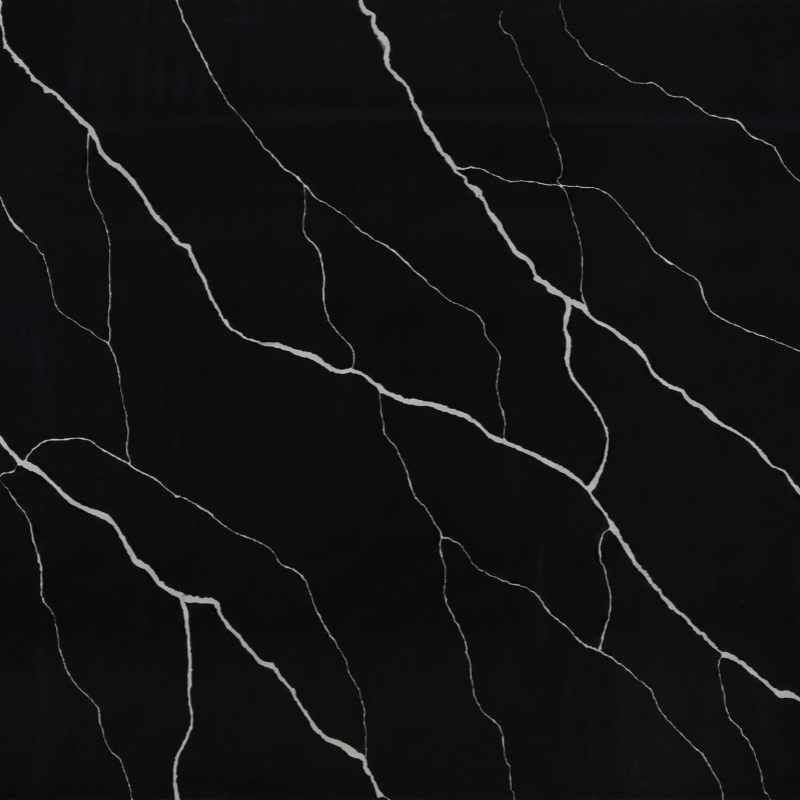
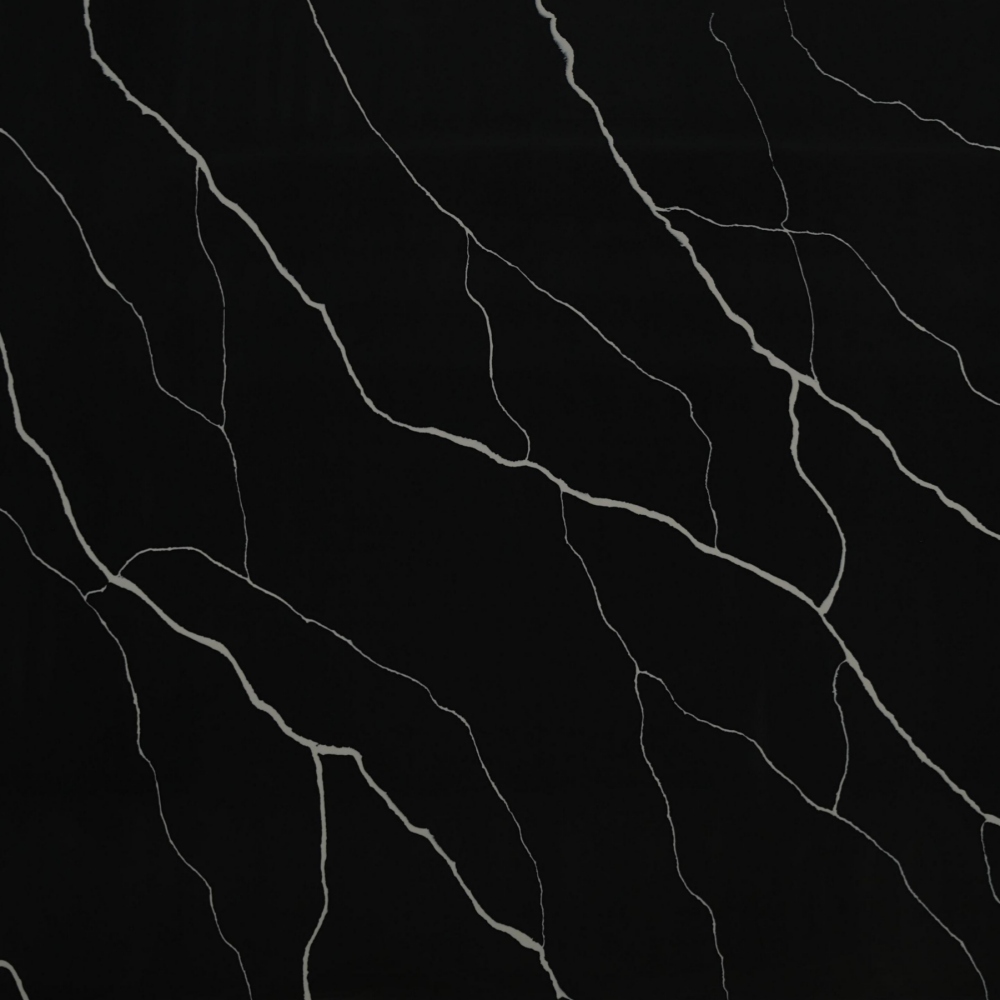
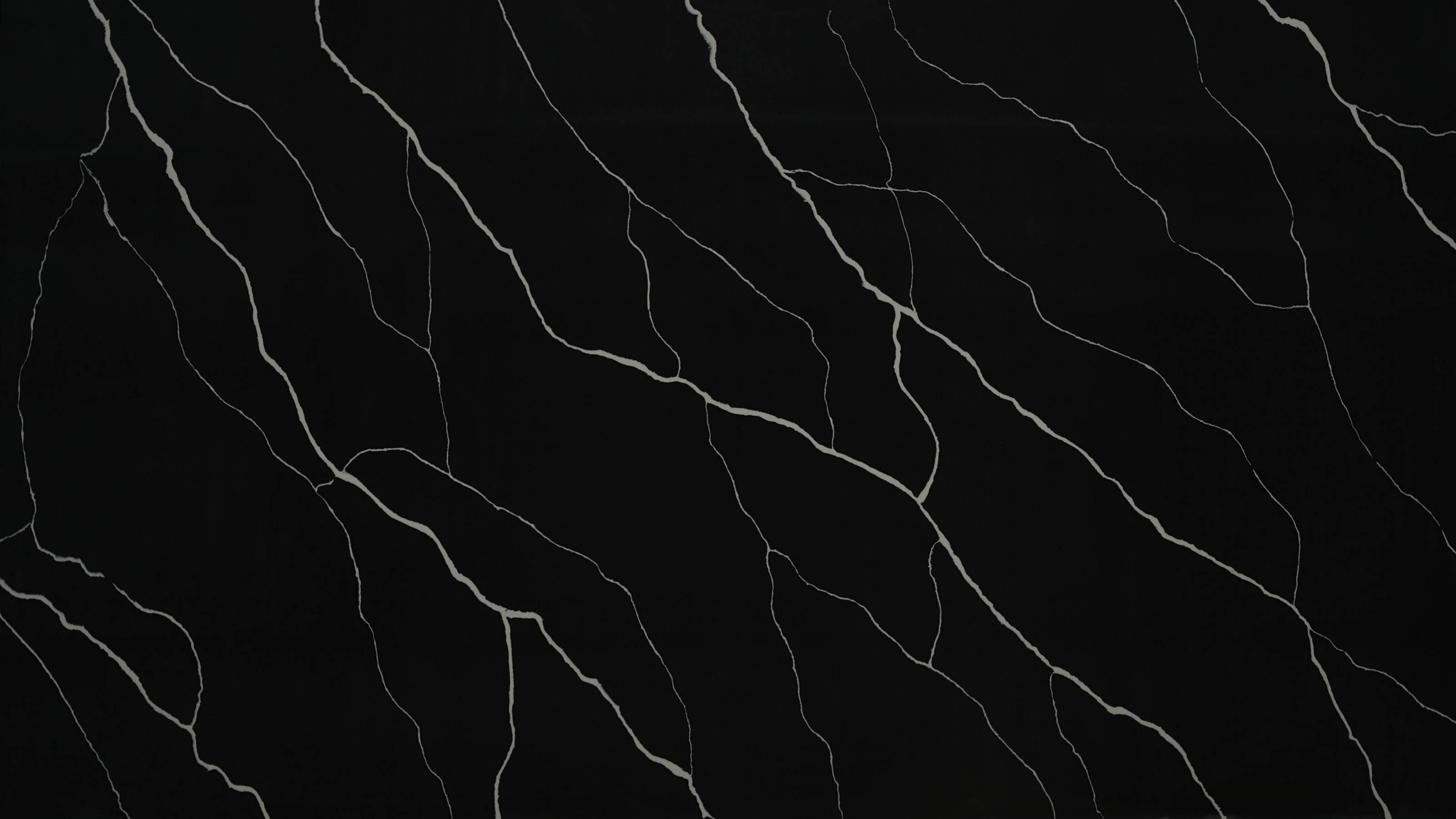
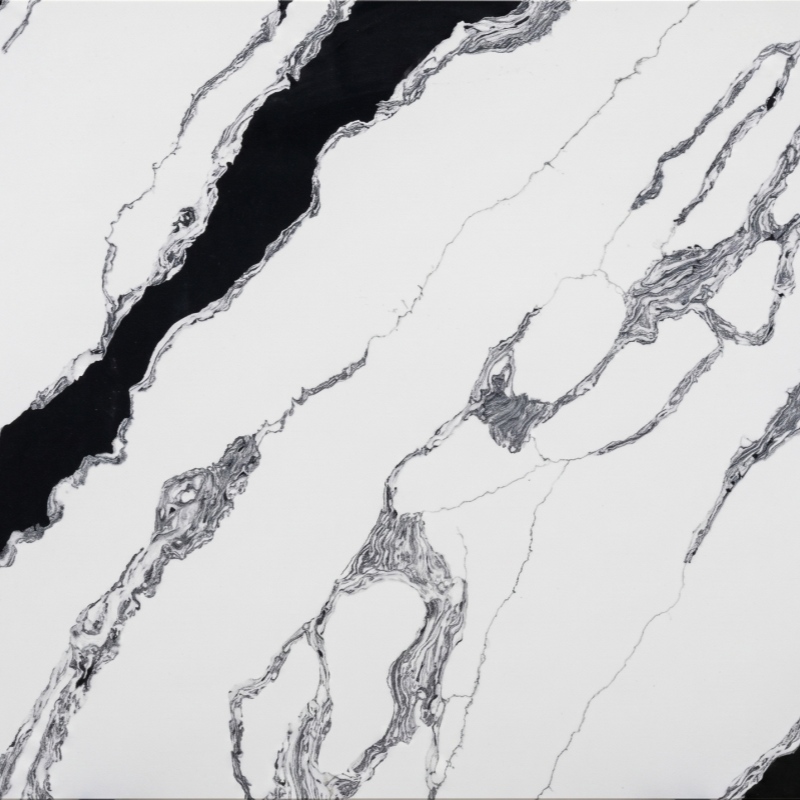
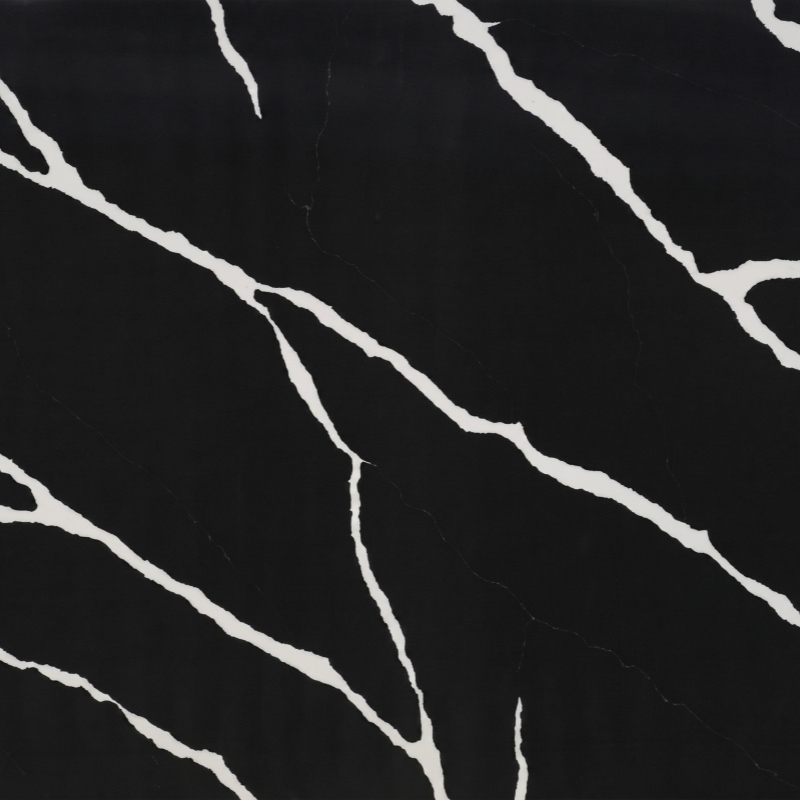
Midnight Line Quartz features a deep black base with fine white linear veining, designed for countertops, vanity tops, reception desks, and modern interior surfaces with a clean architectural look.
Item No :
ALQS1038Surface finish :
Polished or HonedOrder(MOQ) :
200 square metersPayment :
T/T, L/C, CashProduct Origin :
ChinaColor :
Black and whiteShipping Port :
Xiamen or other China portLead Time :
20 daysWeight :
2.7 ton /M3Product Description
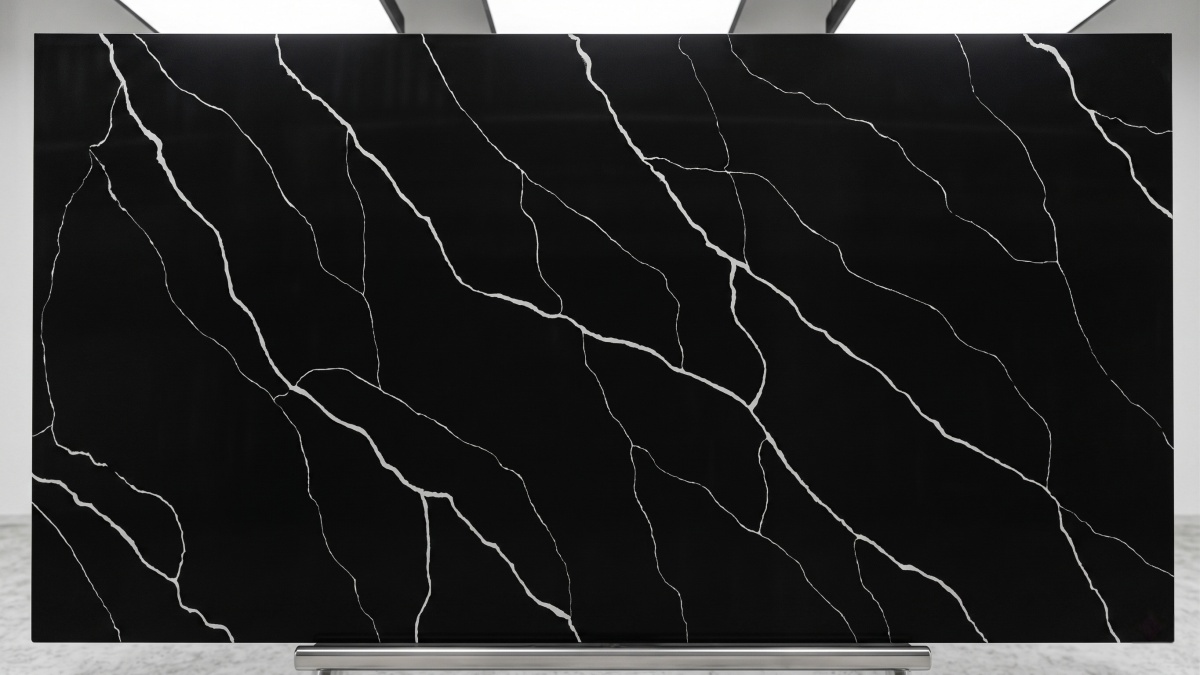
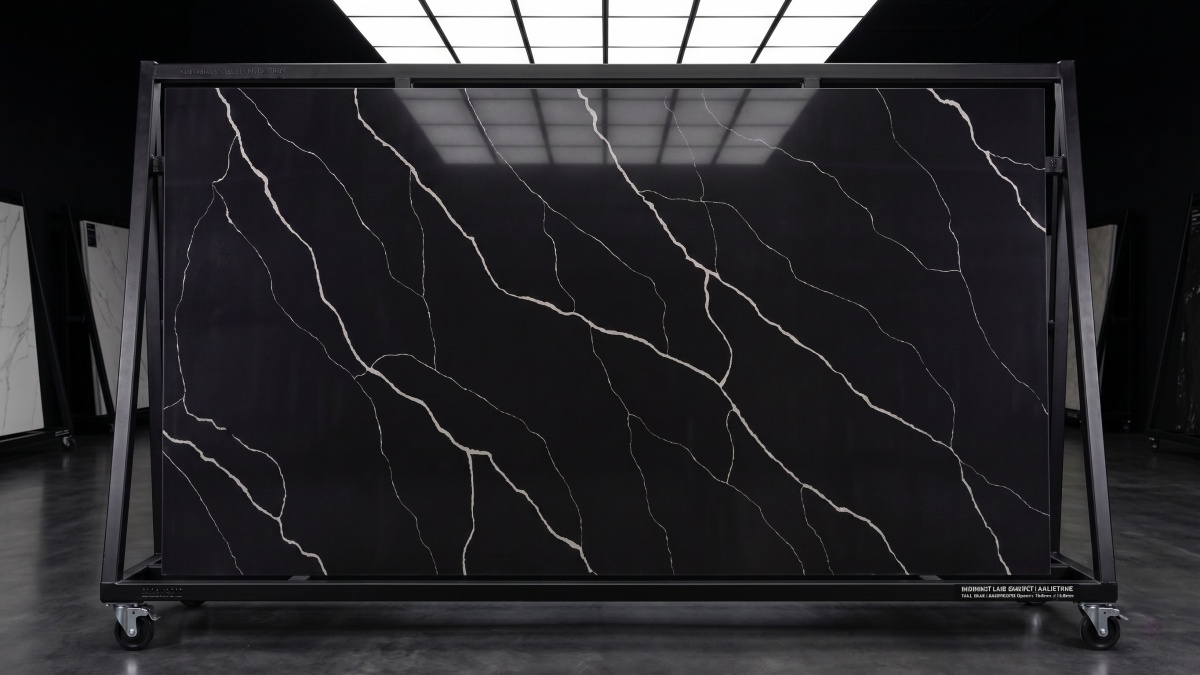
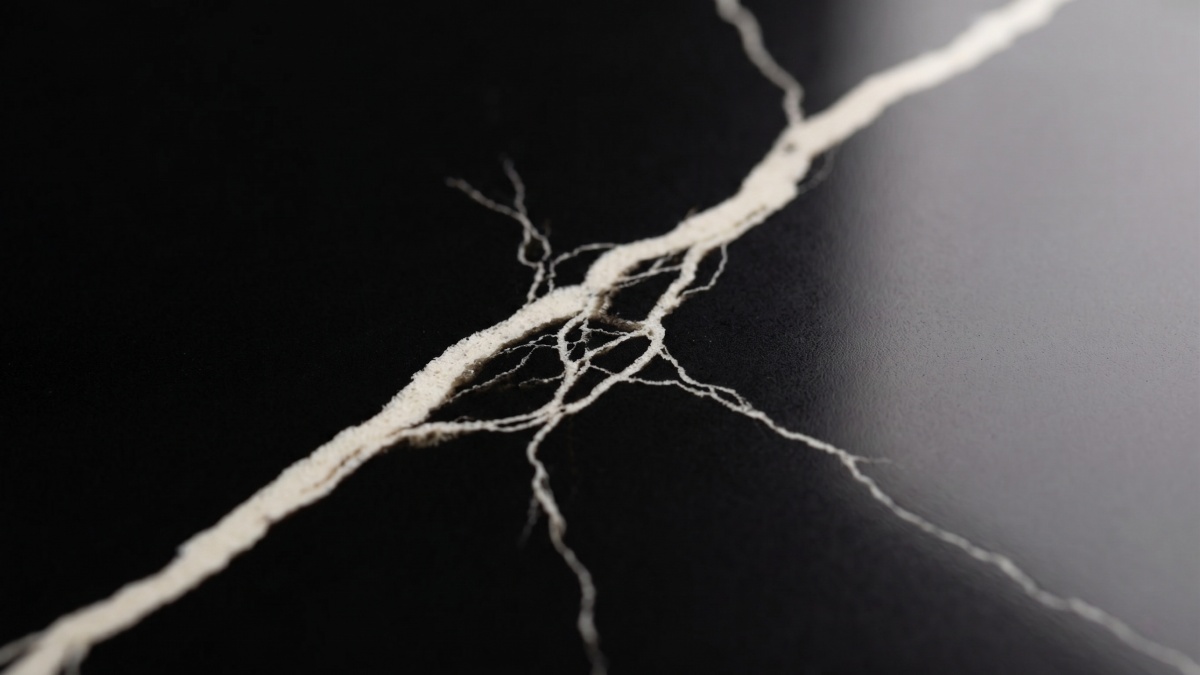
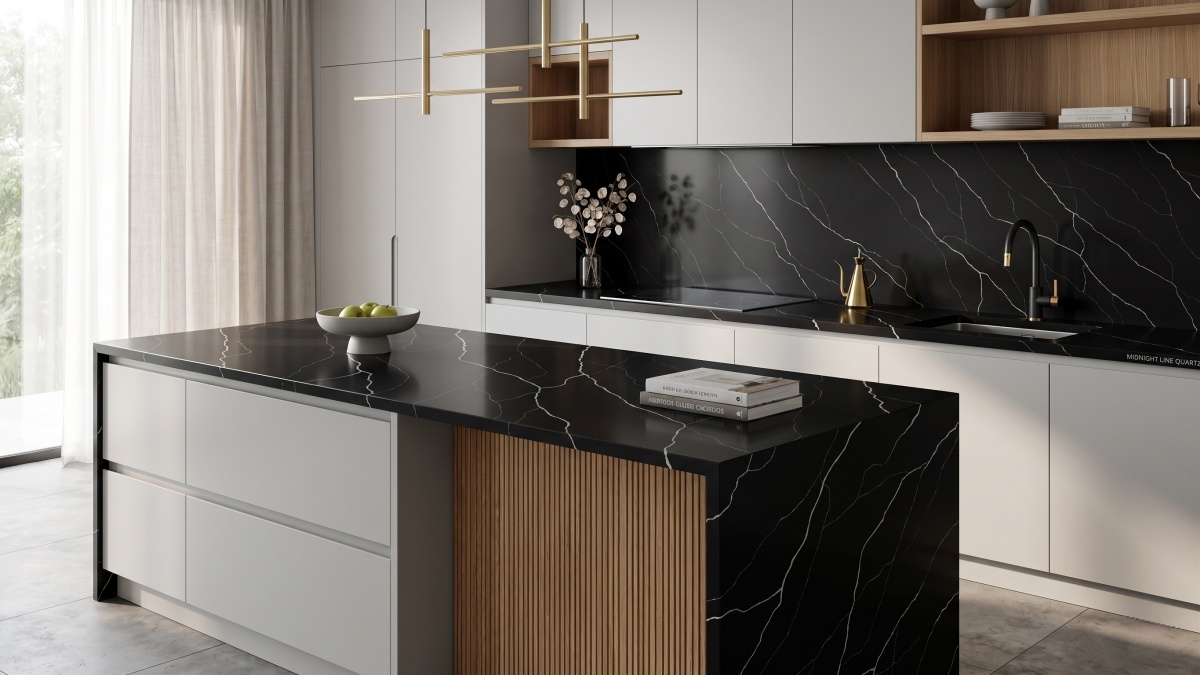
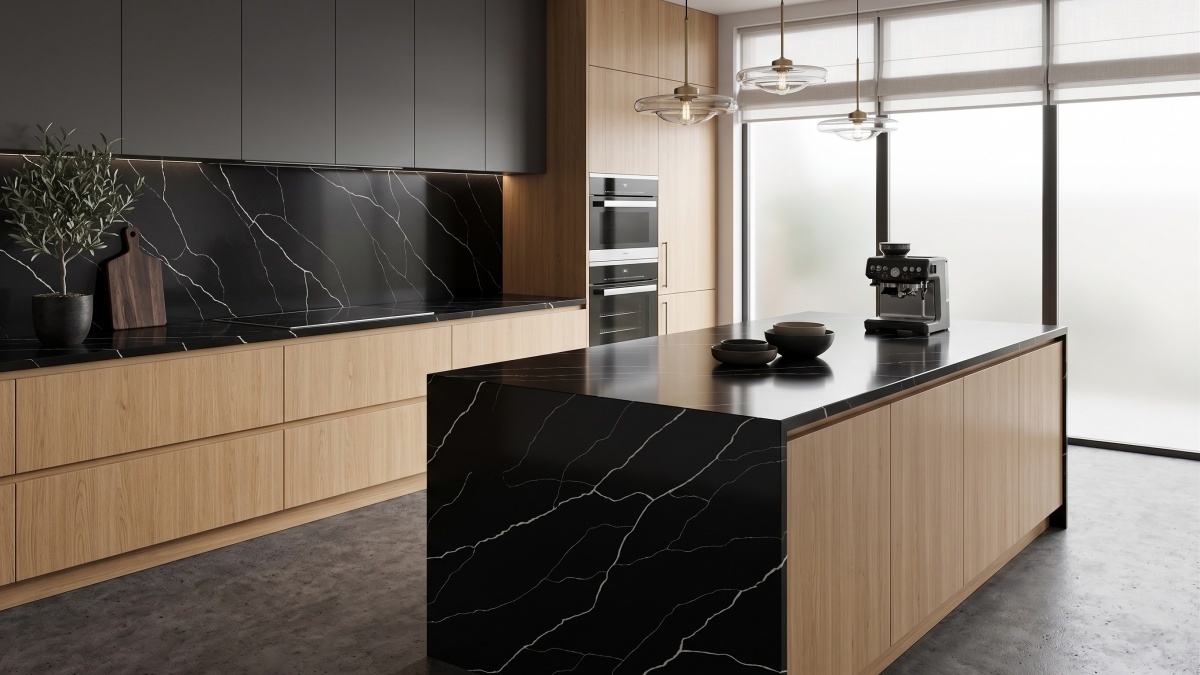
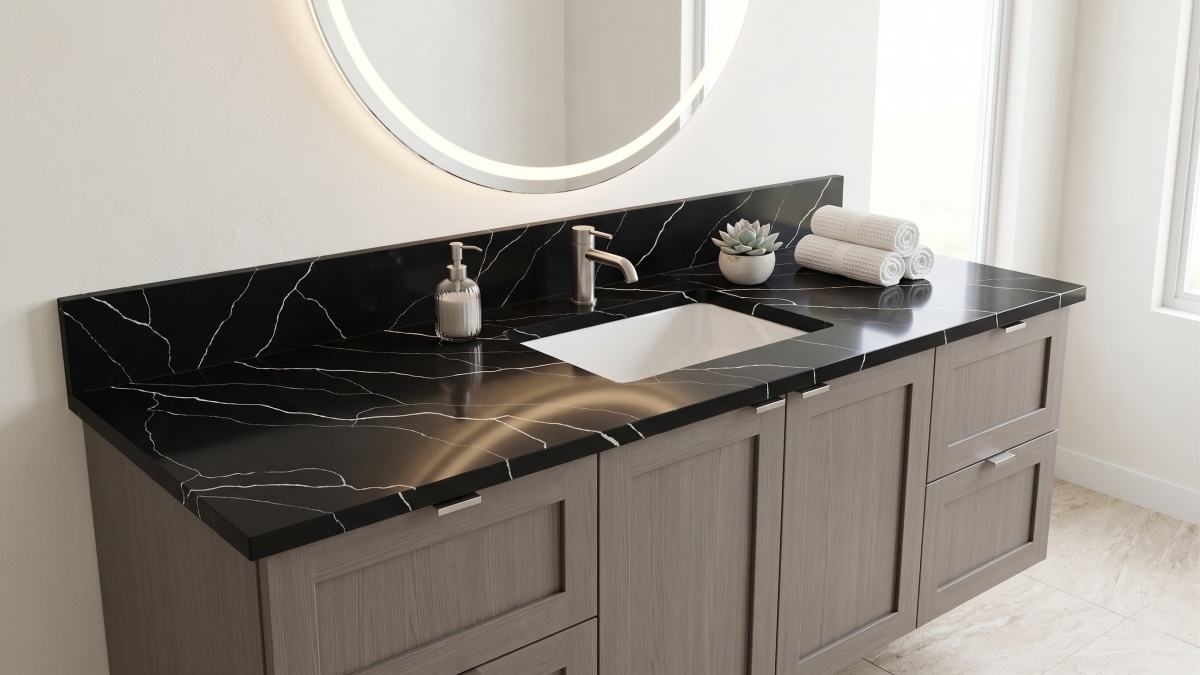
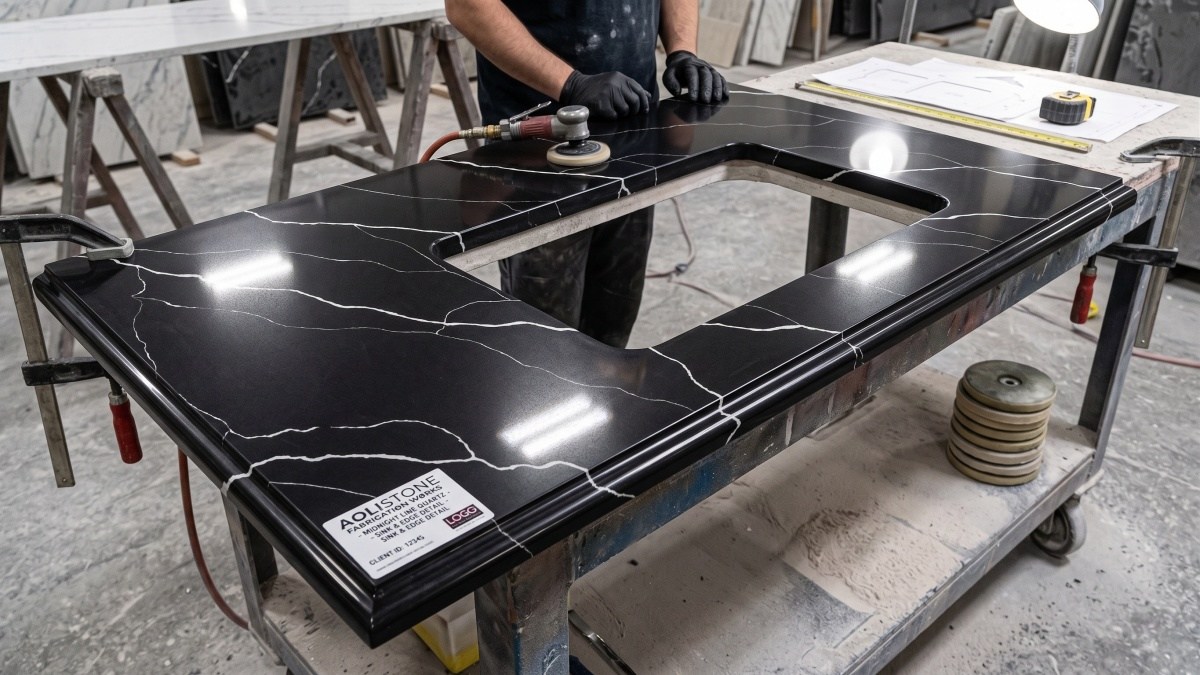

Midnight Line Quartz is a black engineered quartz surface with fine white veining that runs in a clean, directional pattern. It gives a project visual structure without relying on oversized dramatic movement. For buyers who want a darker surface that feels modern and controlled rather than loud, this design usually makes more sense than a heavier black marble-look slab.
The base is a dense, clean black. Across it runs a network of fine white veins, mostly long and linear, with light branching and a gentle diagonal flow. The contrast is clear, but the pattern stays disciplined. That is what gives the slab its architectural character: it looks designed, not chaotic.
This quartz works best for kitchen countertops, islands, bathroom vanity tops, bar counters, reception desks, and selected commercial interiors where a dark surface is expected to add definition. It is especially suitable for modern, monochrome, or design-led spaces that need black with movement, but not too much visual noise.
Buyers usually choose this kind of black quartz when they want a surface that looks sharper than plain black, but more restrained than a bold Marquina-style slab. That is a real commercial advantage. Many projects need a dark statement, but they do not need a surface that dominates every other material around it.
For distributors, this design can sit well between entry black and high-drama black-white slabs.
For contractors, the finer pattern is often easier to place across standard kitchens and vanities without making the job feel visually overworked.
For procurement teams, it is a safer black option when several people are involved in material approval, because it keeps a design identity without becoming too polarizing.
Suitable Uses
This product is not the best fit for projects that want bold, thick, highly dramatic white veining across a black background. It is also less suitable for interiors that need a lighter, warmer, or more spacious visual result. In very compact and poorly lit spaces, a black surface should always be reviewed carefully before final approval.
This is a commercially useful black because it is easier to understand than plain black and easier to place than aggressive statement patterns. In a showroom, it works best when displayed as a full slab, since the linear movement reads much better at scale than on a small hand sample.
It is also a good bridging product in a black quartz lineup. If your range already has plain black and one dramatic Marquina-type option, this design gives you a middle position that many buyers actually need.
This pattern has direction, so layout still matters. Even though the veins are fine, the finished result looks better when the main flow is planned across islands, longer countertop runs, or visible front faces.
For practical project use, this design is usually easier to fabricate and visually manage than a black slab with very large broken white bands.
Depending on project requirements, buyers can discuss Normal Quartz or available silica-free options, subject to final factory confirmation and actual order specifications.
From a procurement perspective, Midnight Line Quartz is useful when the project brief calls for a black material with design character, but not the maintenance profile of natural marble. It is also easier to standardize than many natural black stones.
Before approval, it is worth checking:
That review matters because dark materials are visually strong, and small planning mistakes tend to show more clearly on black than on pale surfaces.
For routine cleaning, use a soft cloth with mild soap and water or a neutral cleaner. Avoid strong abrasive products and avoid placing very hot cookware directly on the surface.
On a black quartz design, simple maintenance habits matter more than many buyers expect. Smudges, dust, and daily wiping marks can appear more visible on dark surfaces than on light ones, so it is best to explain that honestly at the buying stage. Good installation, careful daily cleaning, and realistic user expectations usually do more for long-term satisfaction than exaggerated marketing claims.
Q1: Is this similar to a Nero Marquina-style quartz?
It is in the same black-and-white family, but it is more linear and more restrained. The effect is cleaner and more architectural.
Q2: Is it a good option for kitchen countertops?
Yes. It works well for kitchens, especially in modern interiors where black surfaces are part of the design direction.
Q3: Does the pattern work better on large or small surfaces?
It generally reads better on medium and large surfaces, where the linear movement has room to extend naturally.
Q4: Is this the right choice if I want very bold white veining?
Not really. If the goal is stronger contrast and heavier movement, a more dramatic black-vein design would be a better fit.
Q5: Can this product be discussed in Normal Quartz and silica-free options?
Yes. Where relevant, buyers can discuss both Normal Quartz and available silica-free options, depending on the product line and final project needs.
Q6: What kind of interiors pair well with it?
It pairs well with matte black details, warm wood, light grey cabinetry, white walls, brushed metal finishes, and other clean modern materials.
If you are looking for a black quartz surface with a more controlled and architectural look, contact Aoli Stone for slab photos, size options, finish confirmation, and project quotation support.
Packing

Technical information
The main component of quartz stone countertop material is 93% quartz sand and resin, color or others. It feels very similar to stone.
|
Test item(s) |
Test method(s) |
Test result(s) |
|
Absorption by weight |
ASTM C97/C97M-15 |
0.05% |
|
Density |
2371 kg/m³ |
|
|
Abrasion resistance (polished) |
ASTM C241/C241M-15e1 |
44 |
|
Flexural strength |
ASTM C880/C880M-15 |
Dry condition:35.6 MPa |
|
Wet condition:40.1 MPa |
||
|
Compressive strength |
Refer to ASTM C170/C170M-17 |
Dry condition:248 MPa |
|
Wet condition:240 MPa |
||
|
Coefficient of linear thermal expansion |
ASTM C531-00(2012 |
22.2×10⁻⁶/C |
|
Specular gloss(60) |
ASTM D523-14 |
38.2 |
|
Stain resistance test |
Refer to ANSI Z124.6-2007 |
Total stain resistance value:56 Maximum individual depth of staining:0.04mm |
|
Composition analysis |
FTIR,PGC-MS,XRF and TGA |
See Page 9 |
|
Radioactivity |
GB 6566-2010 |
Class A |
|
Mohs'hardness |
Refer to EN 101:1991 |
6 |
|
Specimens identification No. |
1 |
2 |
3 |
4 |
5 |
|
Absorption by weight (%) |
0.04 |
0.05 |
0.05 |
0.05 |
0.04 |
|
Mean water absorption (%) |
0.05 |
||||
|
Density (kg/m³) |
2358 |
2372 |
2375 |
2373 |
2376 |
|
Mean density (kg/m³) |
2371 |
||||
major maintenance tips for quartz stone
①Daily maintenance: For oil stains, coffee stains, wine vinegar stains, sugar and salt stains, etc., just use warm water and soapy water. When encountering stubborn stains, use a white cleaning pad to remove them.
②Remove ink stains: Clean children's ink and handwriting with a wet rag and erase with rubber glue. If the stain cannot be removed, use washing powder and water in a ratio of 1:0.5, pour it on the stained area and soak it for about 5 minutes, and use a small Scrub with a brush until the stain is removed, and finally rinse with clean water.
③Remove rust: First use a wet rag to scrub the surface stains clean, then soak it with toothpaste, white vinegar or 84 disinfectant for 10 minutes, and then wash it with a rag.
④ Anti-scratch and avoid scratching: When cutting meat and vegetables, do not chop directly on the countertop. First put a layer of thick cloth on it, and then put the chopping board. Do not wipe it with steel balls, use a knife, or impact it with sharp objects, etc.
⑤Avoid long time heat: Although quartz stone is resistant to high temperatures, it cannot directly expose the heat to the countertop. Use heat insulation pads and heat insulation tripods to protect the countertop, especially the edges of the countertop.
⑥ Chemical resistance also requires avoiding chemical reactions: avoid cleaning chemicals containing bleach, corrosives, rosin oil, high alkalinity, xylene, toluene, potassium hydroxide, caustic soda, methylene chloride, trichloroethane and other chemicals.
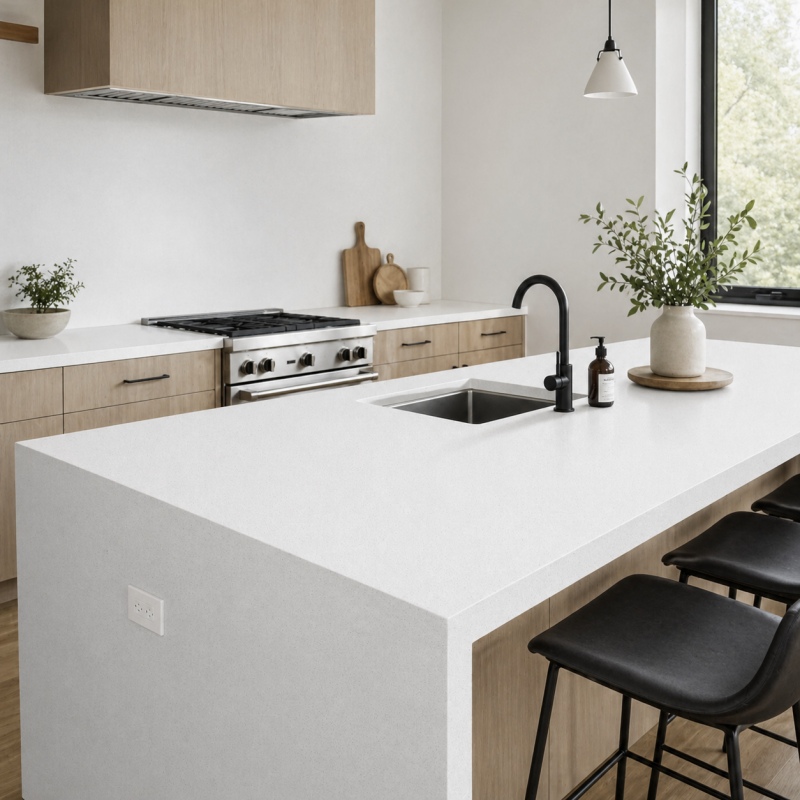
Pure White Quartz is a clean engineered quartz surface with a bright white base and a very subtle fine granular texture. It is a practical choice for countertops, islands, vanity tops, and modern interior projects that need a plain white surface with good visual consistency and everyday usability.
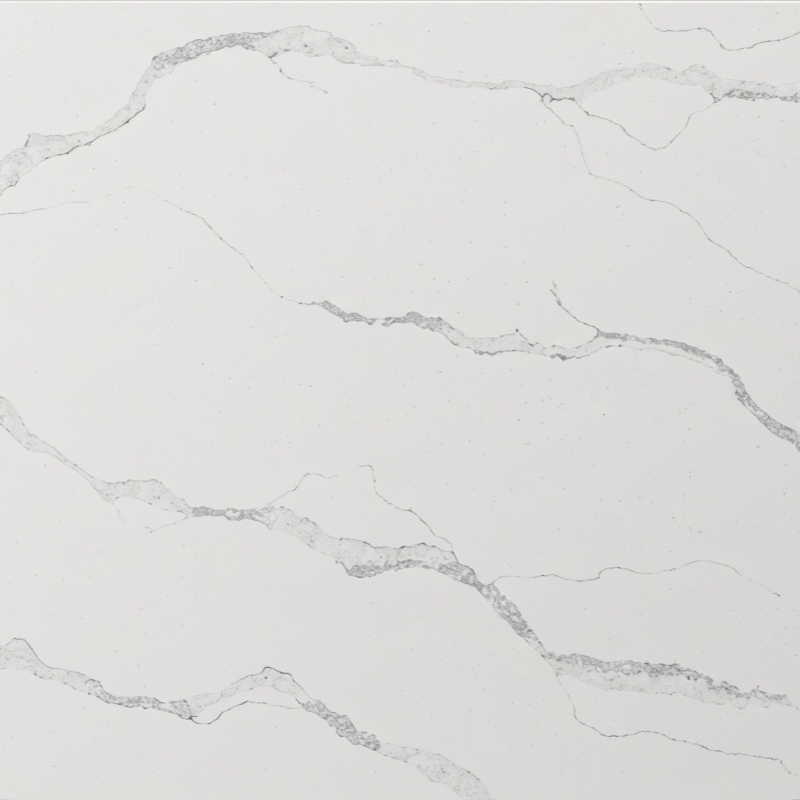
Cloud Vein White Quartz features a clean white base with soft pale grey marble-like veining, ideal for countertops, islands, vanity tops, and interior projects that need a calm and versatile white surface.
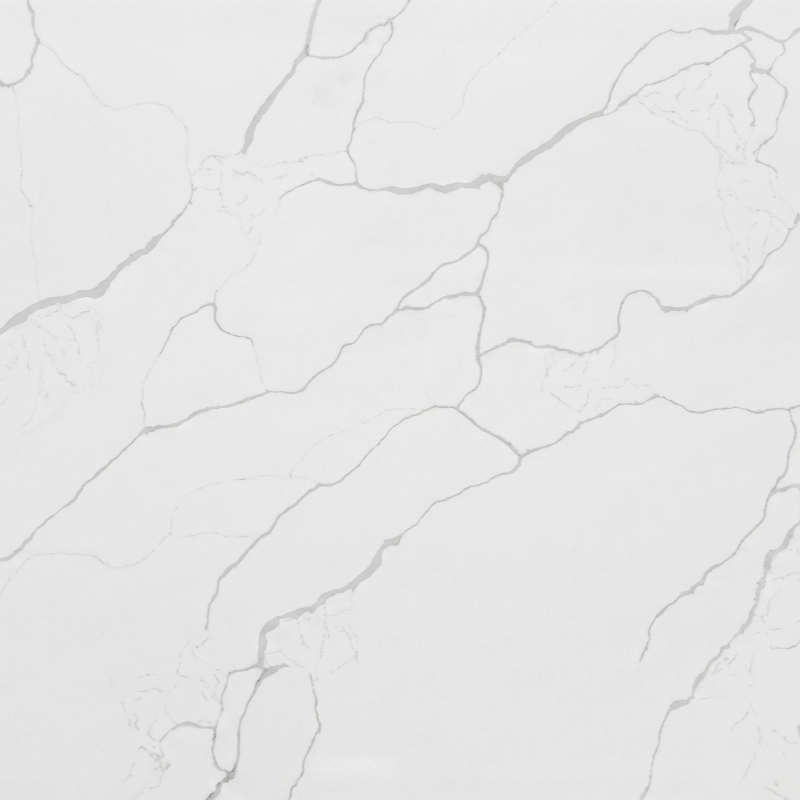
Classic Calacatta White Quartz features a clean white base and soft grey veining for countertops, islands, vanities, and interior projects. Suitable for distributors, contractors, and project buyers seeking a calm marble-look quartz surface.
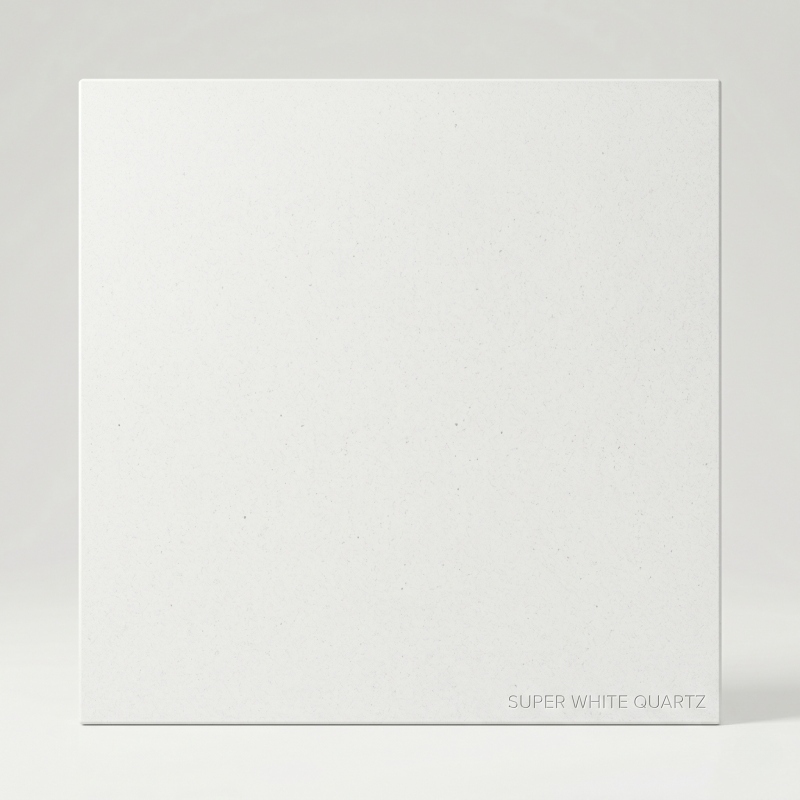
Super White Quartz is a high-purity engineered quartz surface with a cleaner white appearance and a finer, smoother visual texture than standard pure white quartz. It is well suited for countertops, islands, vanity tops, and modern interior projects that need a quiet, refined white surface.
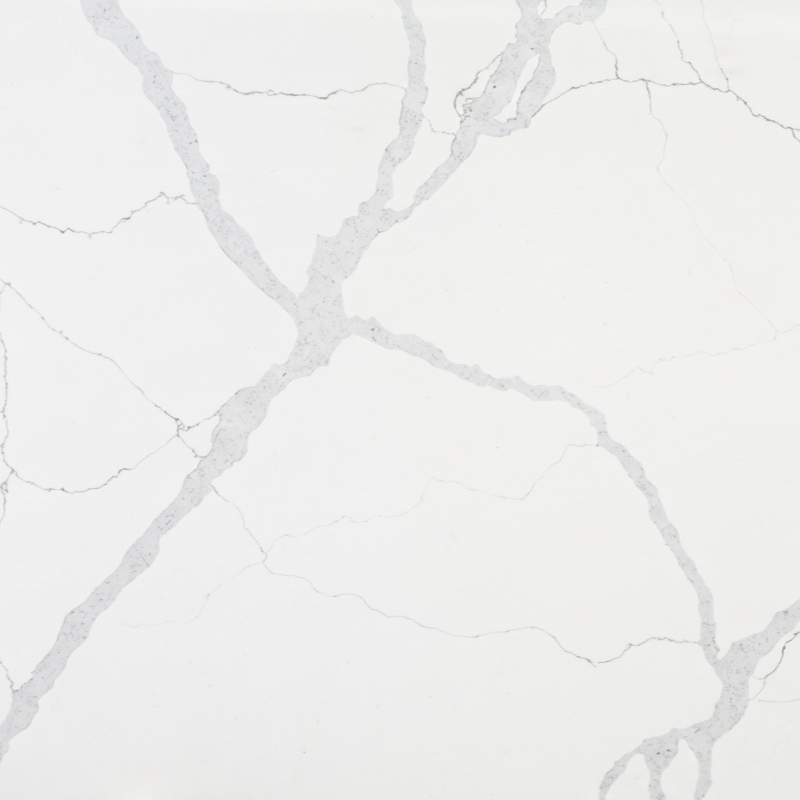
Soft Vein White Quartz features a clean white base with gentle pale grey veining, making it a practical choice for countertops, vanity tops, islands, and interior projects that need a calm and bright marble-look surface.
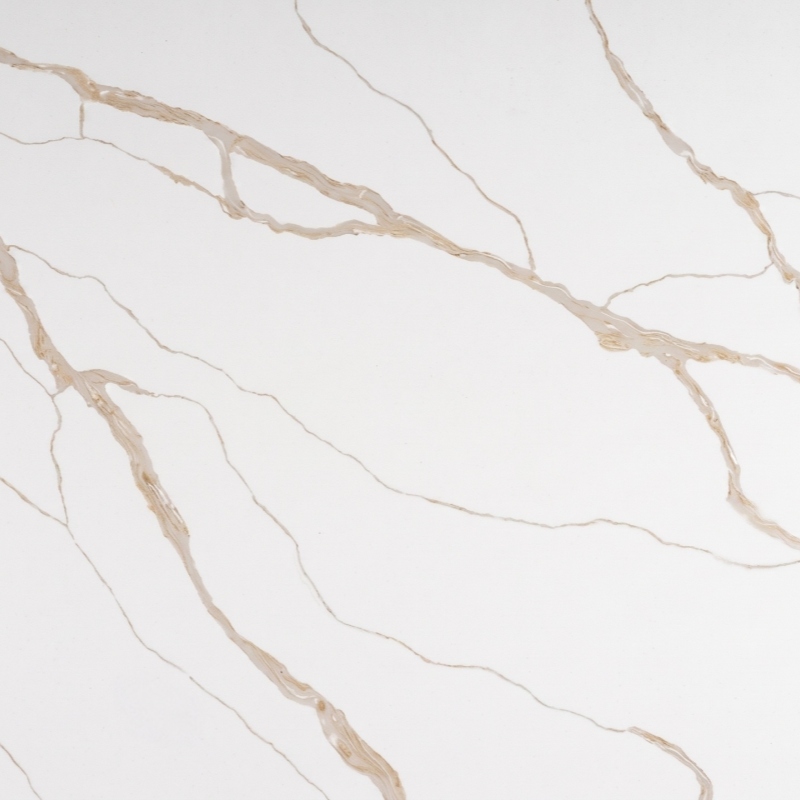
Arctic Calacatta Gold Quartz features a clean white base with warm champagne-gold veining, making it a strong choice for waterfall islands, countertops, vanity tops, and elegant modern interiors.
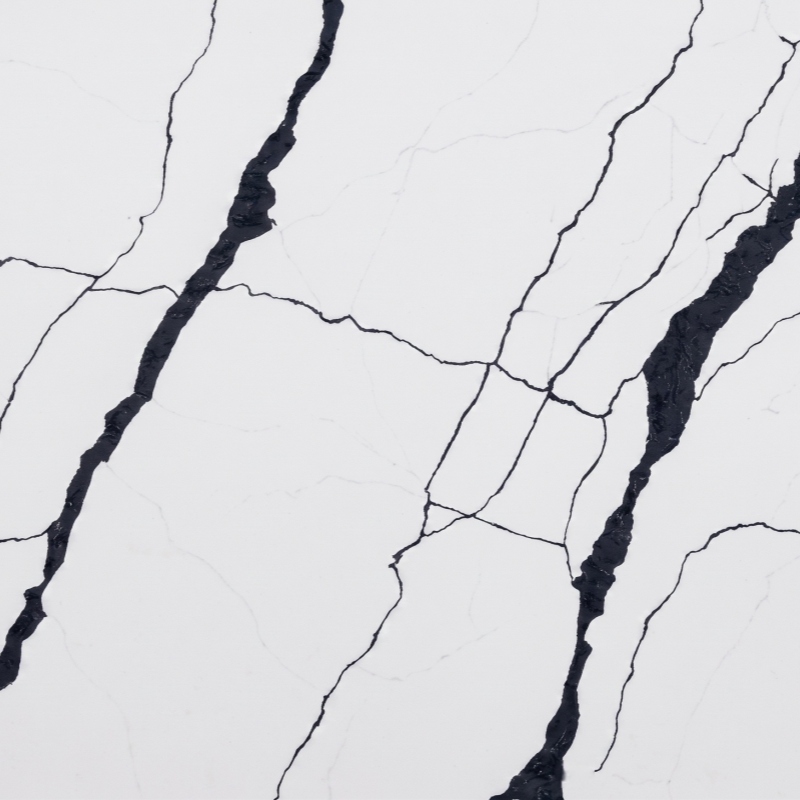
Steel Rift White Quartz features a clean white base with strong steel-grey veining and fine linear movement. A practical choice for kitchen countertops, islands, vanity tops, and modern interior projects that need a sharper architectural look.
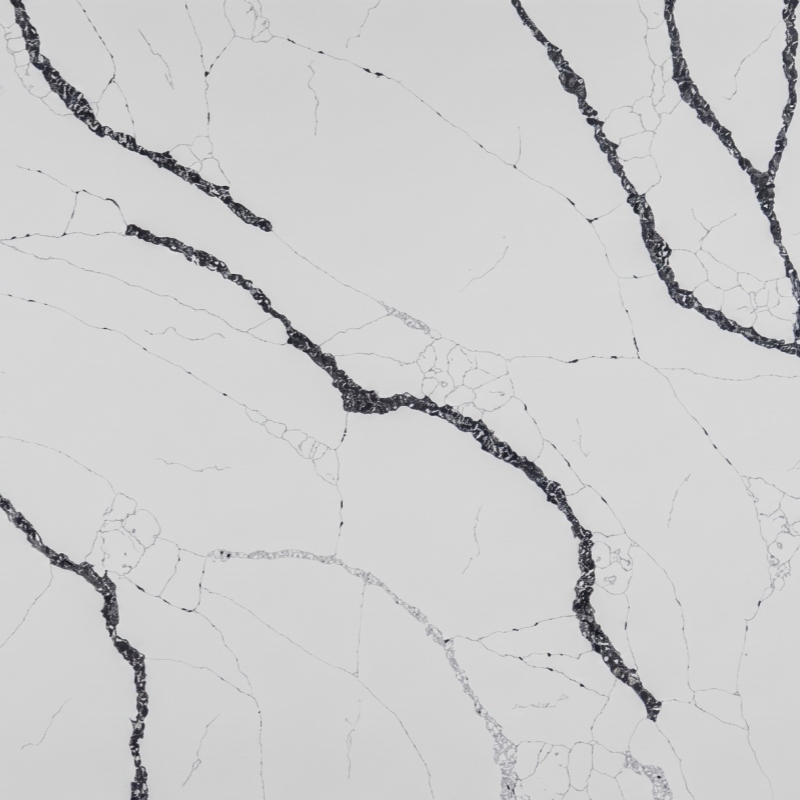
White quartz slab with bold graphite-black veining, open white field, and layered marble movement. A strong choice for statement countertops, islands, vanity tops, and selected interior wall applications.



 IPv6 network supported