English
 Español
 Português
 عربي
عربي 한국어
한국어

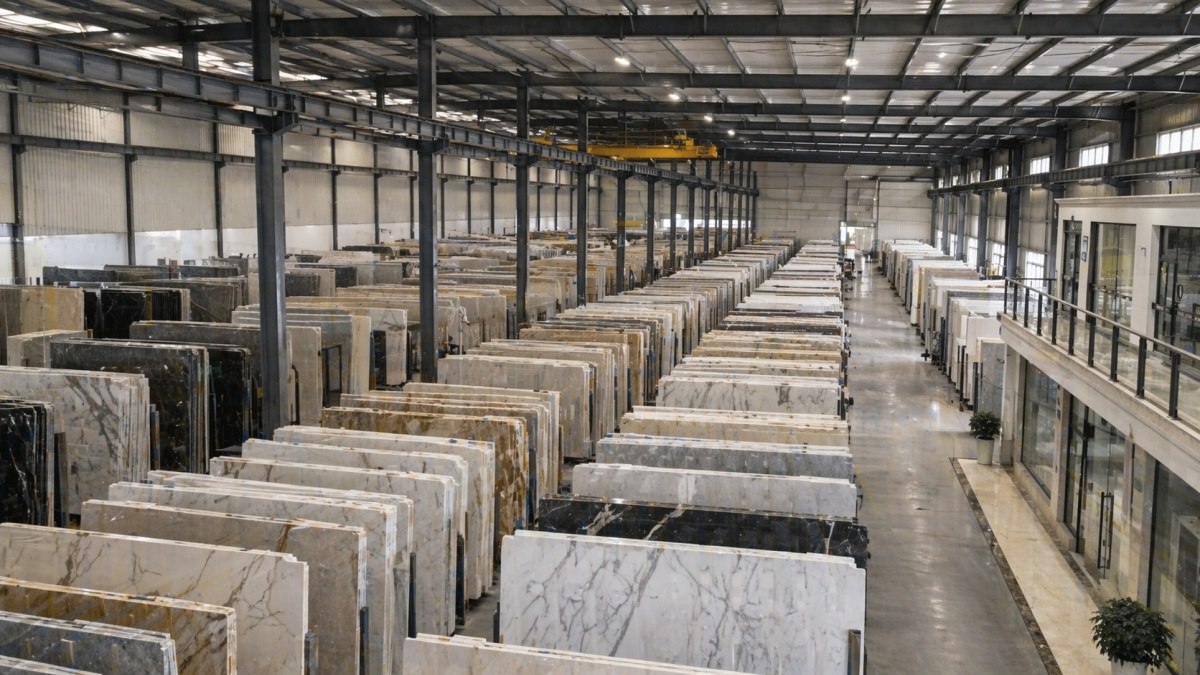
Learn how to reduce color variation risk in natural marble projects through better lot selection, dry layout, mockup approval, and more realistic planning.
Natural marble variation is part of its beauty, but unmanaged variation can quickly become a project problem. This blog explains how buyers can reduce that risk before installation begins.
Natural marble is valued because it does not look flat, repetitive, or synthetic. Its movement, mineral depth, background shifts, and tonal character are exactly what make it attractive in architecture and interior design. But in real projects, especially larger ones, that same natural variation can also become a source of concern.
When buyers say they are worried about “color variation,” they are usually not rejecting the nature of marble itself. What they are really worried about is losing visual control across the final space.
That concern is valid.
The good news is that marble variation cannot be eliminated, but it can be managed much more intelligently.
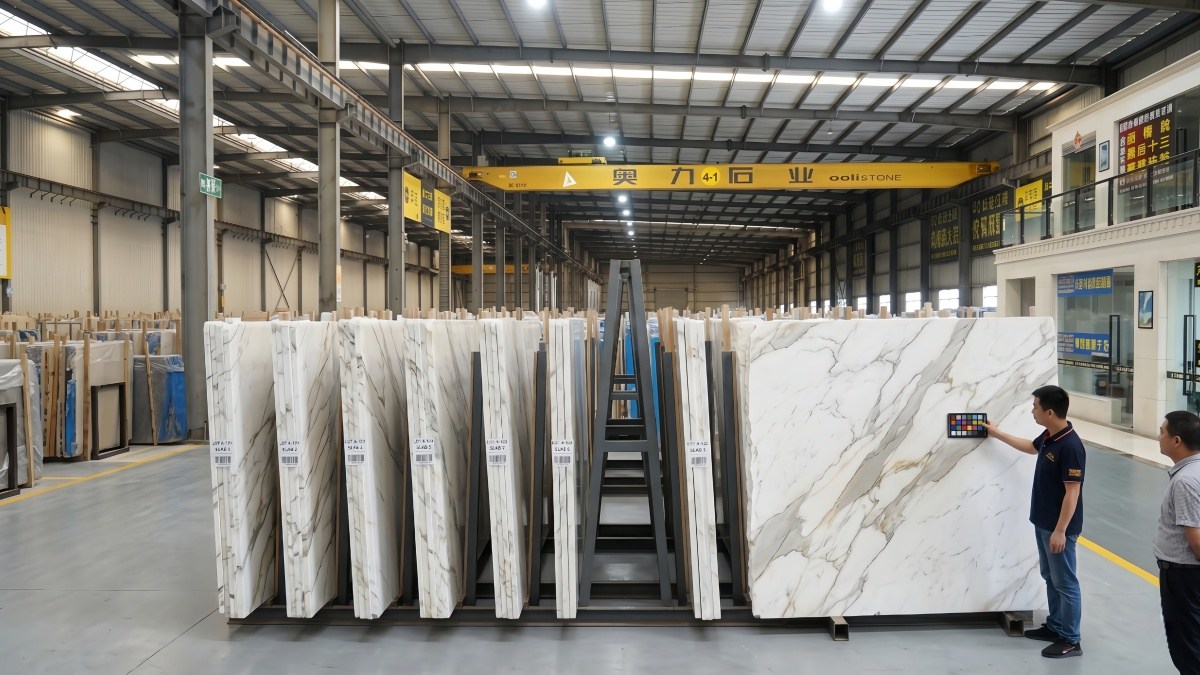
This is where many marble projects become confused too early.
Natural marble will always have some variation. That may include:
None of that automatically means something is wrong.
The real problem begins when the variation feels random, excessive for the application, or inconsistent with what the buyer expected. In other words, the issue is often not variation itself. The issue is the lack of agreement around what level of variation is acceptable.
This is especially important in projects where a more controlled visual result is expected, such as:
A strong marble project does not try to remove nature from the stone. It tries to keep that natural character within a visually manageable range.
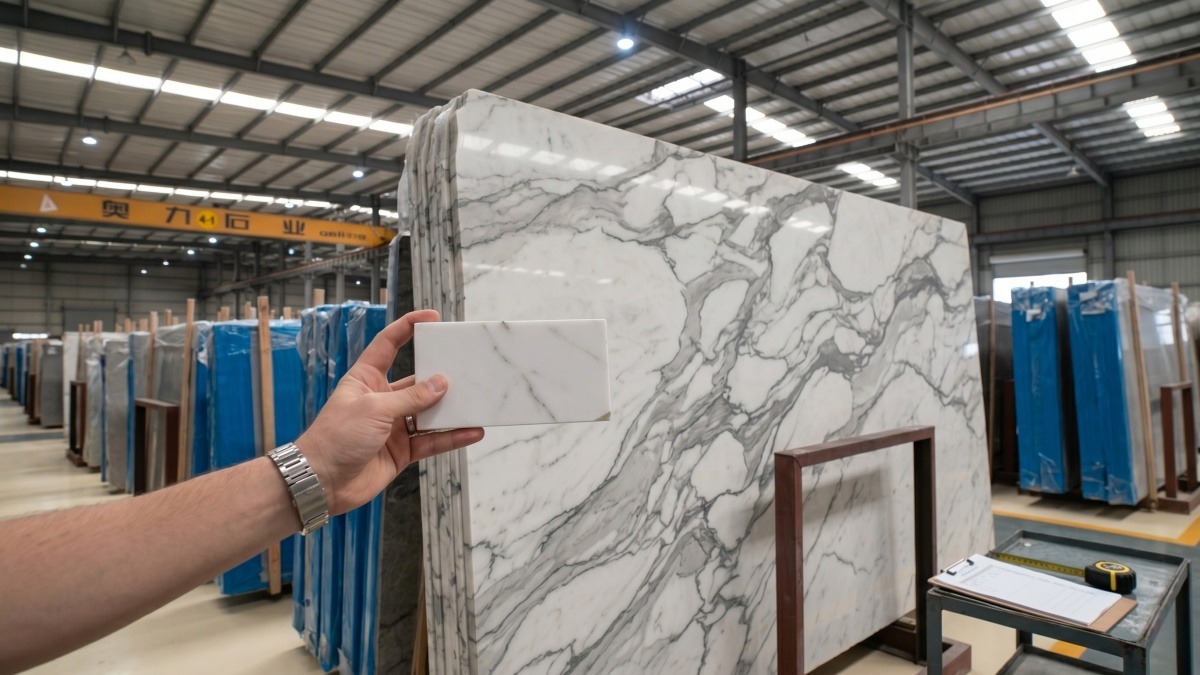
A small marble sample can be useful for early material direction, but it should not be treated as a full visual promise.
This is one of the most common causes of later disagreement. A buyer may approve a 100 x 100 mm or A4-size sample that shows one clean part of the material, then expect the full order to look exactly like that. But natural marble does not reveal its full character through a small sample alone.
The larger the application area, the less reliable a small sample becomes as the only reference.
For medium to large projects, buyers should try to review:
The key is simple:
large marble projects should be approved at a slab level, not only at a sample level.
If there is one step that reduces variation risk more than almost any other, it is lot control.
When slabs are selected from the same lot, the final range is usually more coherent. When slabs come from multiple lots without careful review, the chance of visible tone differences increases. This does not always create a problem, but in many projects it can.
Lot consistency matters especially in:
Buyers should ask practical questions such as:
This is not a luxury-level extra step. It is basic material control.
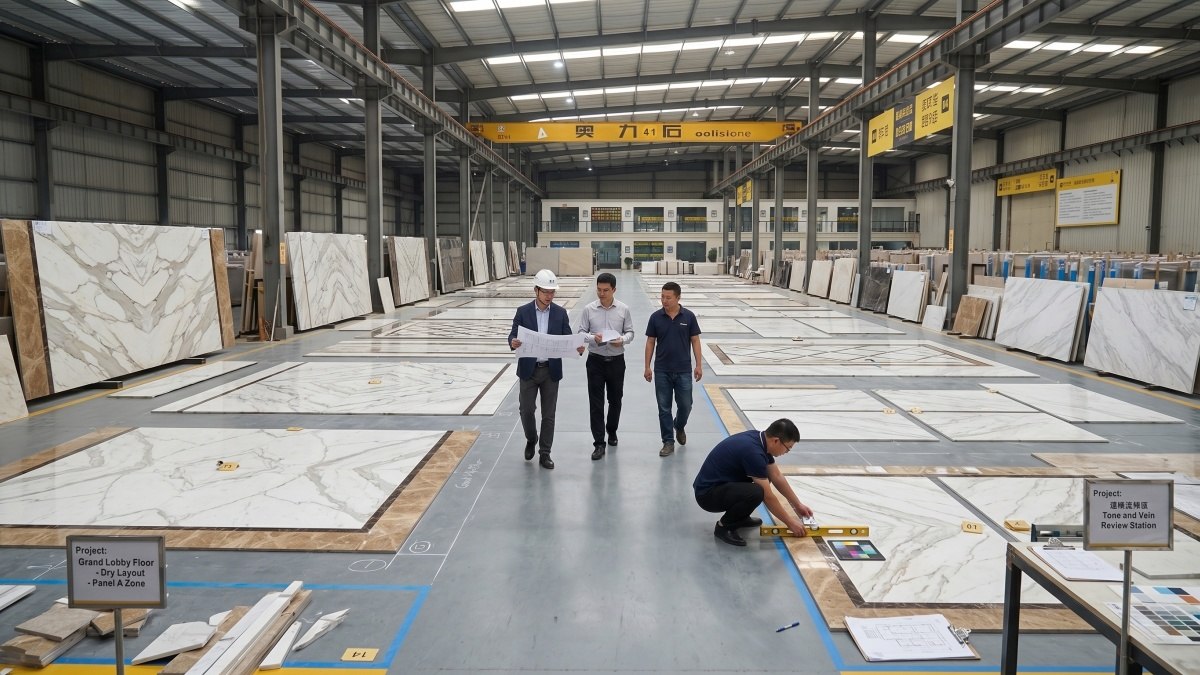
Dry layout is one of the most effective ways to manage marble variation before installation.
In a dry layout process, slabs or cut pieces are reviewed in relation to each other before final installation. This allows the project team to make better decisions about:
This is particularly valuable for:
Without dry layout, even a good batch of marble can look less controlled after installation. With dry layout, the same material can often produce a much better visual result.
Dry layout does not have to mean overcomplicated staging in every case. But when the visual importance of the area is high, it is often worth the effort.
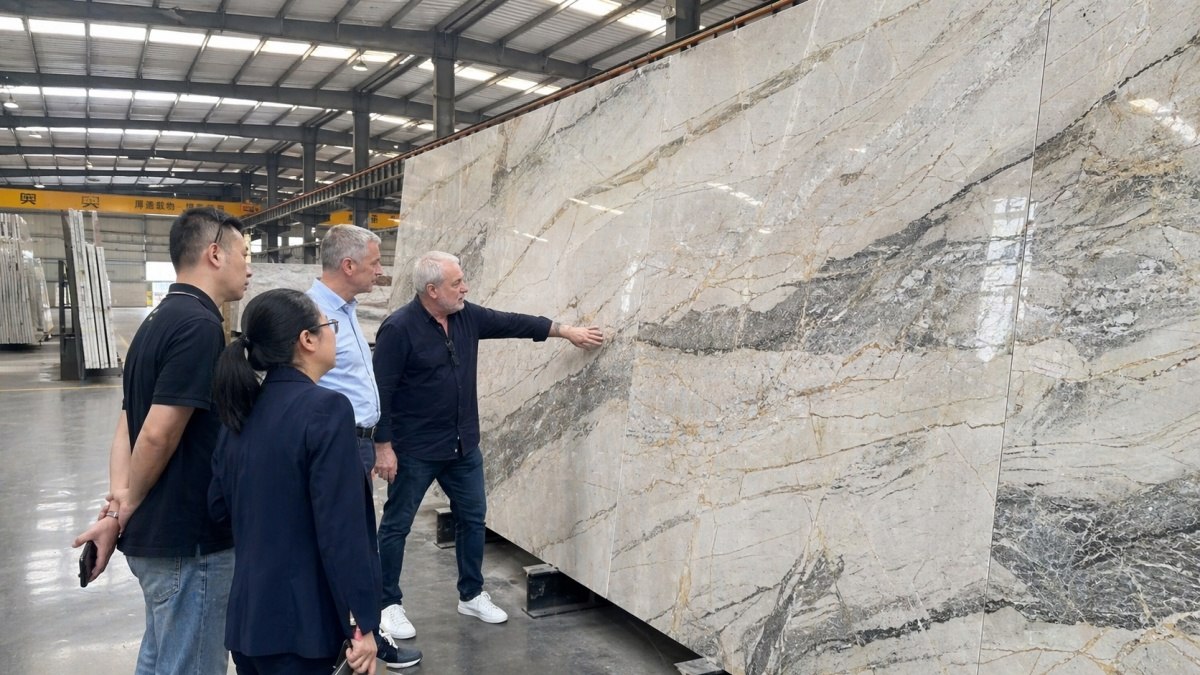
For more demanding marble projects, a mockup can be one of the smartest ways to reduce uncertainty.
A mockup helps buyers, designers, and contractors move beyond abstraction. Instead of discussing the material only in theory, the team can review how it actually reads in a built condition:
This becomes especially useful when the project involves:
A mockup does not solve every issue, but it often reveals concerns early enough to make better decisions before larger production or installation begins.
Not every slab needs to go into the most visible area.
This is a simple idea, but it can make a major difference.
Some natural marble slabs have stronger movement, bolder contrast, or more active mineral expression. Others feel calmer and more even. In many projects, the best result comes from placing these different pieces more intentionally rather than expecting all slabs to behave identically.
For example:
This is one reason experienced project teams often review slabs as a family rather than judging them one by one.
Reserve material is often discussed in terms of quantity, but in marble projects the visual side matters too.
If a project may require later replacement, adjustment, or additional cutting, reserve slabs from the same or closely related range can be very valuable. Otherwise, a later addition may look noticeably different from the installed field.
This is particularly relevant for:
Reserving material is not always possible at the same level in every order, but when it is feasible, it often reduces future risk.
A surprising number of stone disputes become serious only because key visual issues were left vague until installation had already started.
By that point, the material may already be cut, delivered, or partially fixed. Options become narrower and more expensive.
That is why the best time to align expectations is earlier:
At that stage, buyers and suppliers can still clarify:
Once marble is installed, even a manageable visual issue can become a much bigger commercial issue.
Managing Variation Before Installation
Natural marble variation is not a flaw to eliminate. It is part of what makes the material valuable. But in project supply, beauty alone is not enough. What matters is how that variation is managed across the actual space.
The most successful marble projects do not happen because every slab looks identical. They happen because the selection, approval, and layout process was handled with more clarity.
For buyers, designers, and contractors, reducing color variation risk usually comes down to a few practical steps: better lot control, slab-level review, dry layout, mockup approval when needed, and more realistic planning before installation begins.
If those steps are taken early enough, natural marble can still feel rich, natural, and visually coherent at the same time.
Yes. Natural marble usually includes variation in tone, veining, and mineral activity. The key issue is not whether variation exists, but whether it is controlled appropriately for the project.
Not always. Small samples are useful for initial material direction, but larger projects often require slab-level review to understand the real visual range.
Better lot control, slab review, dry layout, and mockup approval are among the most effective ways to reduce visual risk before installation.
Dry layout helps the project team review tone, movement, and piece placement before installation, which usually improves final visual continuity.
When possible, yes. Reserve material from the same visual range can help with future replacement, additions, or adjustments.
If your project requires more controlled marble selection, slab review, or layout coordination before production, our team can help support the process more carefully.



 IPv6 network supported