English
 Español
 Português
 عربي
عربي 한국어
한국어

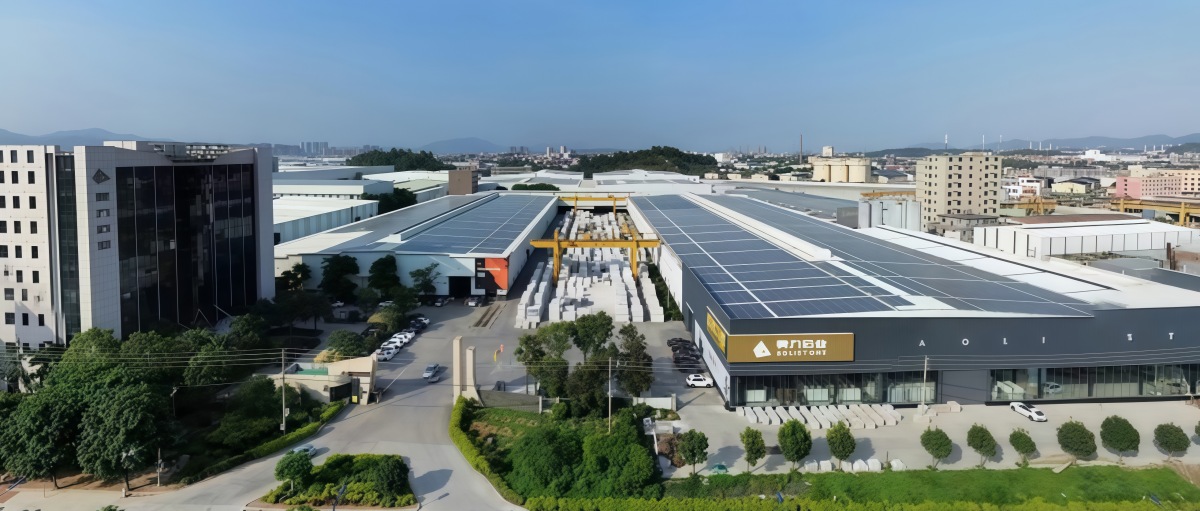
This article is written from the perspective of a stone manufacturing professional based in China, working within a factory environment that focuses on export-oriented stone production for overseas projects.
The insights shared here are based on long-term involvement in artificial stone, quartz, and natural stone manufacturing, as well as cooperation with international contractors and project buyers.
The purpose of this article is not promotion.
It is to help buyers reduce sourcing risks and make informed material decisions.
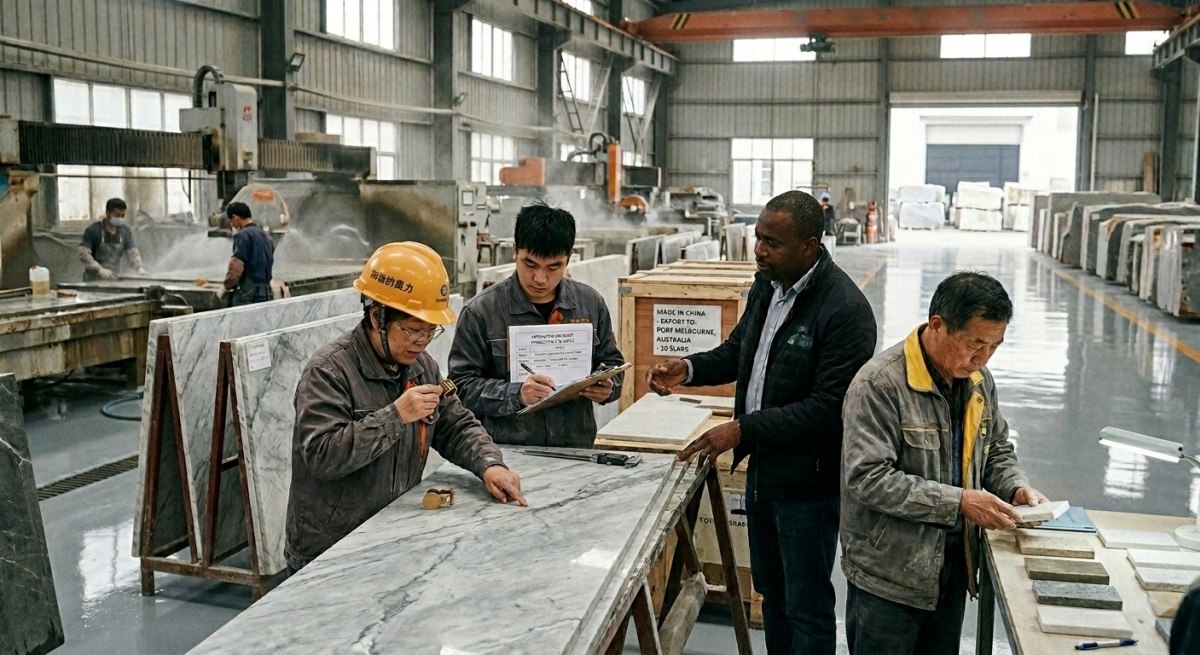
China offers a wide range of stone suppliers, but not all suppliers play the same role in the supply chain.
For construction and commercial projects, stone materials must perform consistently in terms of:
Structural stability
Color uniformity across batches
Surface durability
Long-term performance after installation
In practice, many project issues originate not from installation, but from supplier selection at the sourcing stage.
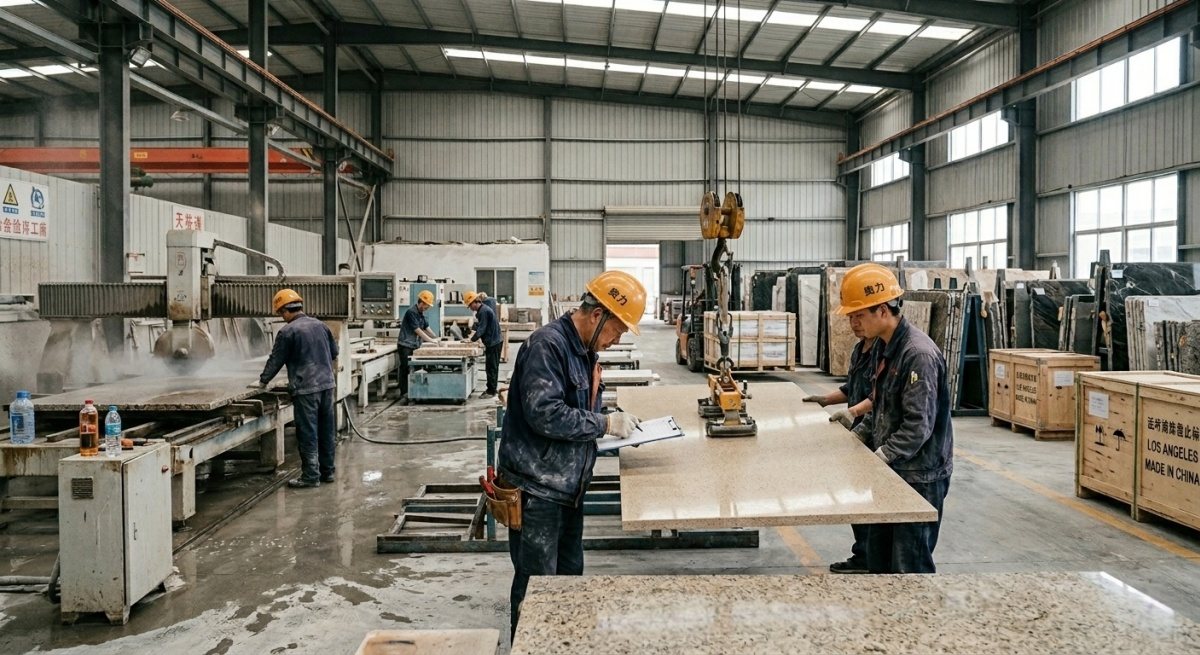
One of the most common misunderstandings among overseas buyers is assuming that all suppliers control production.
Operate their own production lines
Control raw material sourcing and batching
Implement internal quality control systems
Maintain consistency across repeat orders
Coordinate production through third-party factories
Have limited control over daily manufacturing
Face challenges in long-term consistency
For project-based supply, this structural difference directly affects risk.
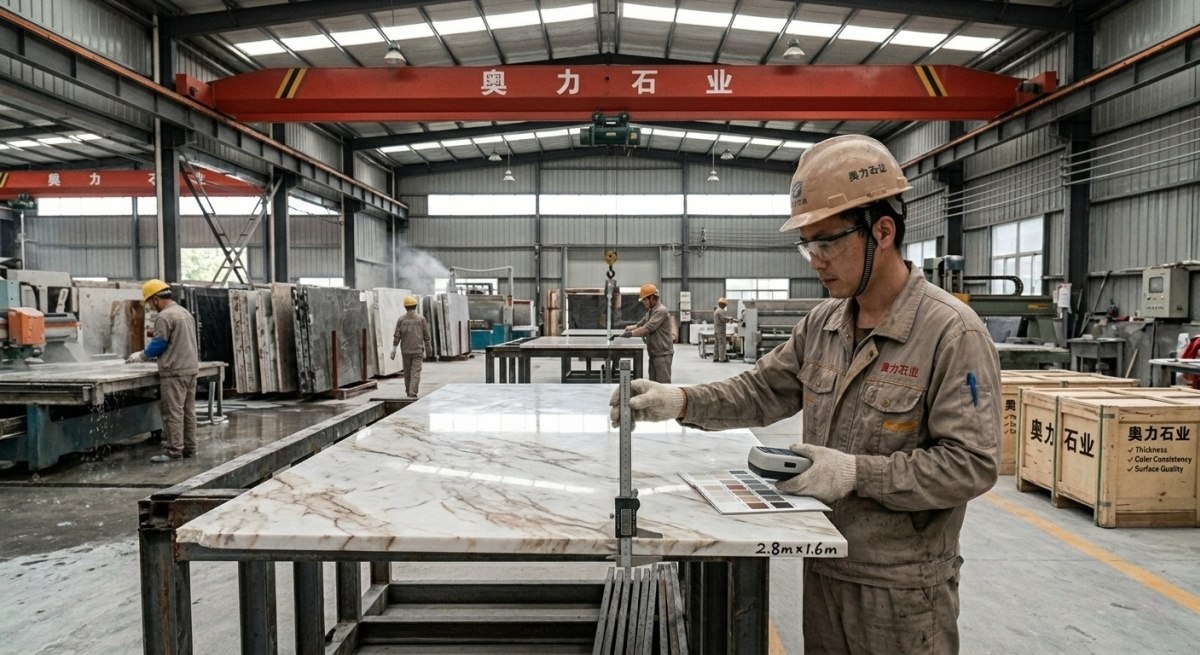
In professional stone factories, quality is not managed by slogans — it is managed by process control.
A standard artificial stone production workflow includes:
Raw material inspection and batch identification
Controlled mixing and pressing parameters
Curing and stabilization
Surface finishing and polishing
Color deviation comparison between slabs
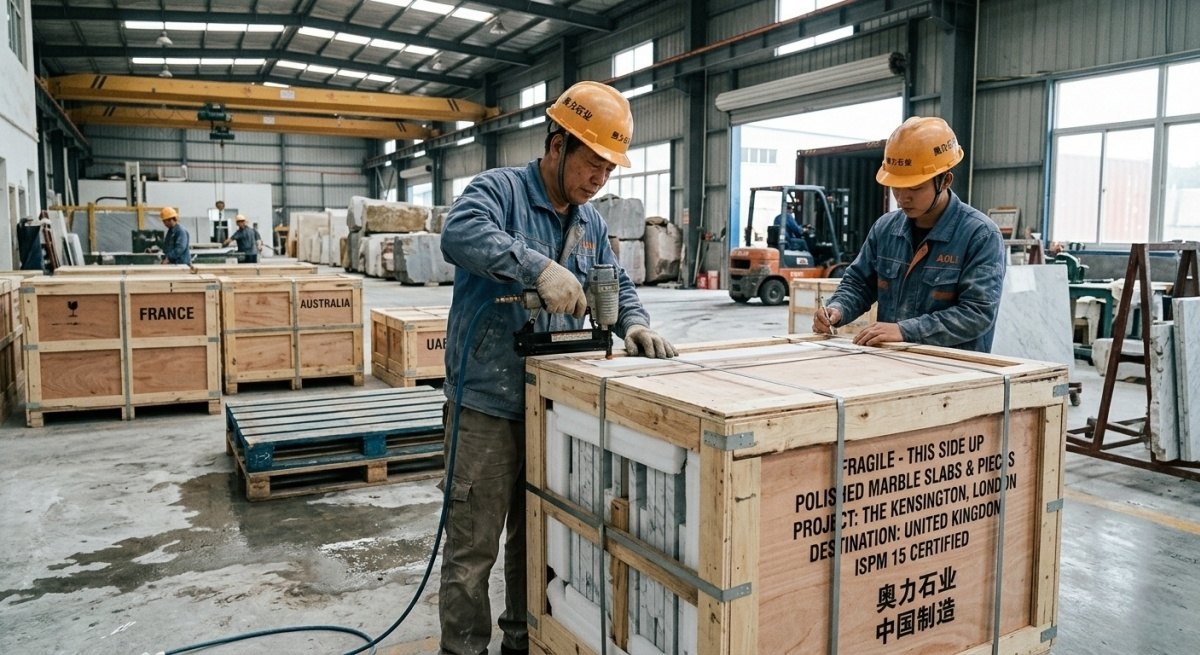
Final inspection prior to export packaging
Suppliers who clearly understand and explain these steps usually have direct involvement in production.
Price differences between suppliers are often misunderstood.
Lower prices typically reflect:
Material substitutions
Shortened curing cycles
Reduced inspection steps
Inconsistent thickness control
In commercial projects, such compromises may not be visible immediately, but they often appear after installation, when corrective costs are significantly higher.
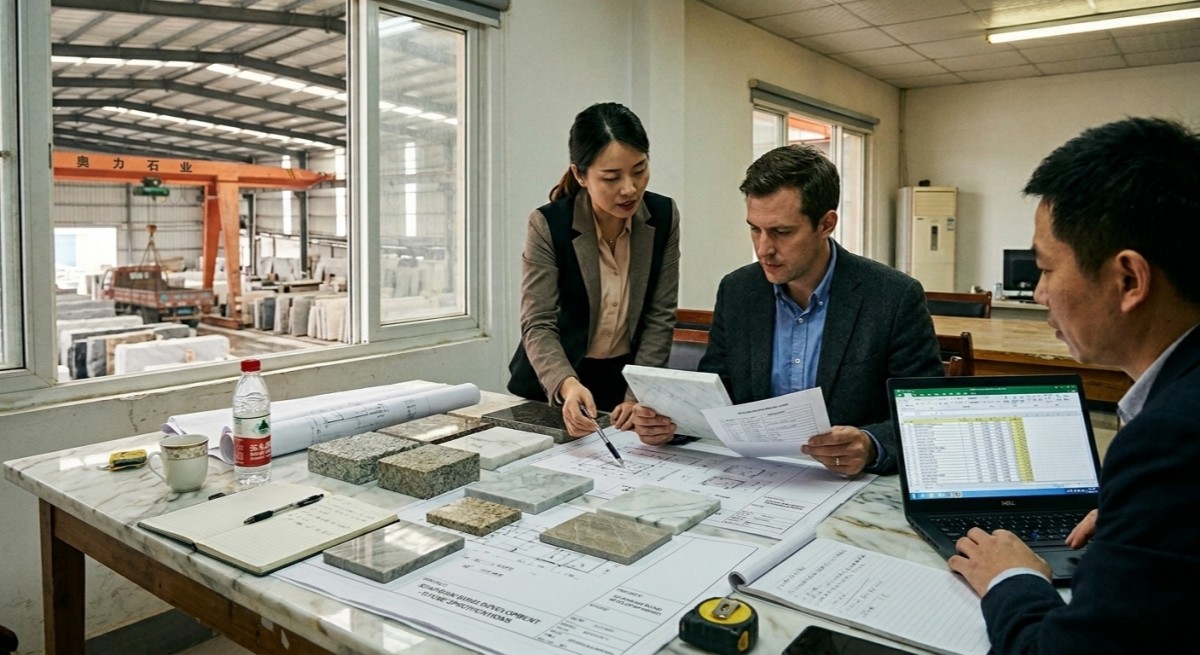
Certifications such as SGS or CE are useful references, but they do not replace real project experience.
Project-oriented manufacturers usually understand:
Tolerance requirements for large areas
Packaging methods for long-distance export
Coordination with contractors and installers
Feedback loops from previous projects
For buyers, asking about actual project supply experience is often more meaningful than reviewing certificates alone.
Before confirming a supplier, buyers may consider asking:
Do you operate your own manufacturing facility?
How is color consistency controlled across batches?
What inspections are conducted before shipment?
What types of overseas projects have you supplied?
How are quality issues handled after delivery?
Clear, structured answers usually indicate clear responsibility.
A reliable stone manufacturer is not defined by marketing claims or short-term pricing.
Reliability is built through:
Manufacturing control
Process transparency
Project understanding
Long-term accountability
From a factory perspective, sustainable cooperation is based on clarity and trust, not on the lowest quotation.
The author works with Aoli Stone, a China-based stone manufacturing company focused on artificial stone, quartz, and natural stone products for overseas construction and commercial projects.
The views expressed in this article are based on practical manufacturing and project supply experience.



 IPv6 network supported