English
 Español
 Português
 عربي
عربي 한국어
한국어

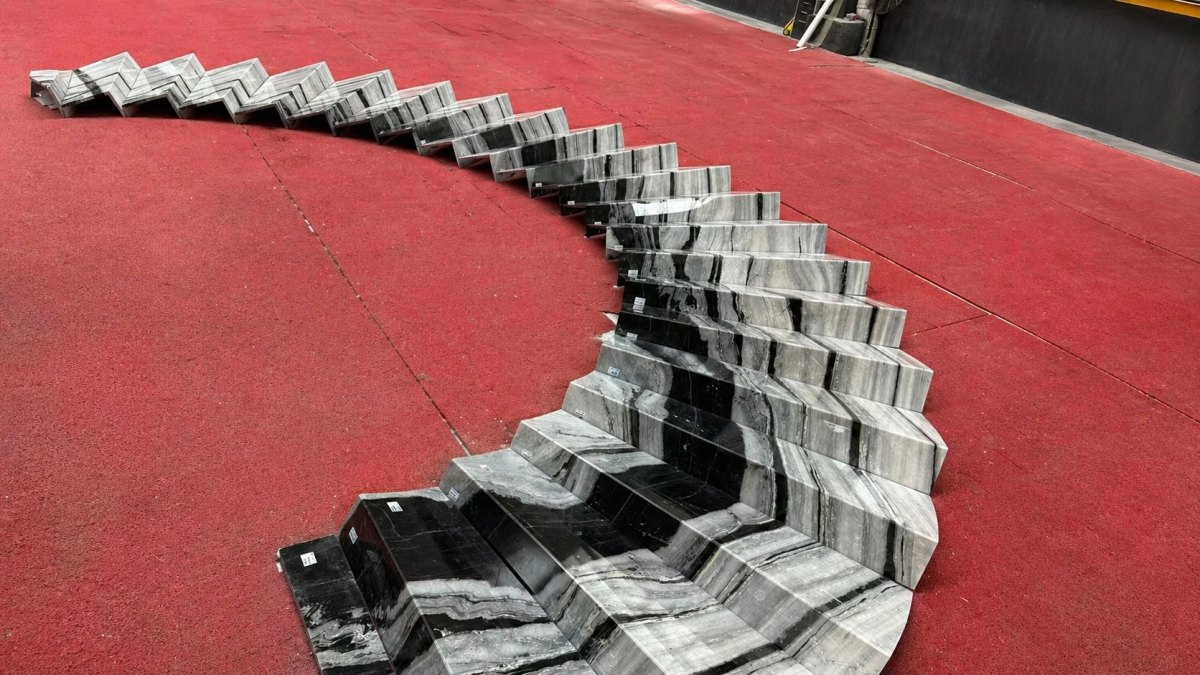
A behind-the-scenes look at Aoli Stone’s custom marble staircase dry lay process, showing how bold grey and black linear marble is cut, matched, and pre-assembled before installation.
This project shows a custom marble staircase dry lay using bold grey, white, and black linear marble. Before installation, each stair piece was arranged and checked at the factory to control veining direction, curve alignment, and overall visual continuity.
Some stone projects are not judged only by the material itself.
They are judged by how carefully the material is controlled before it reaches the site.
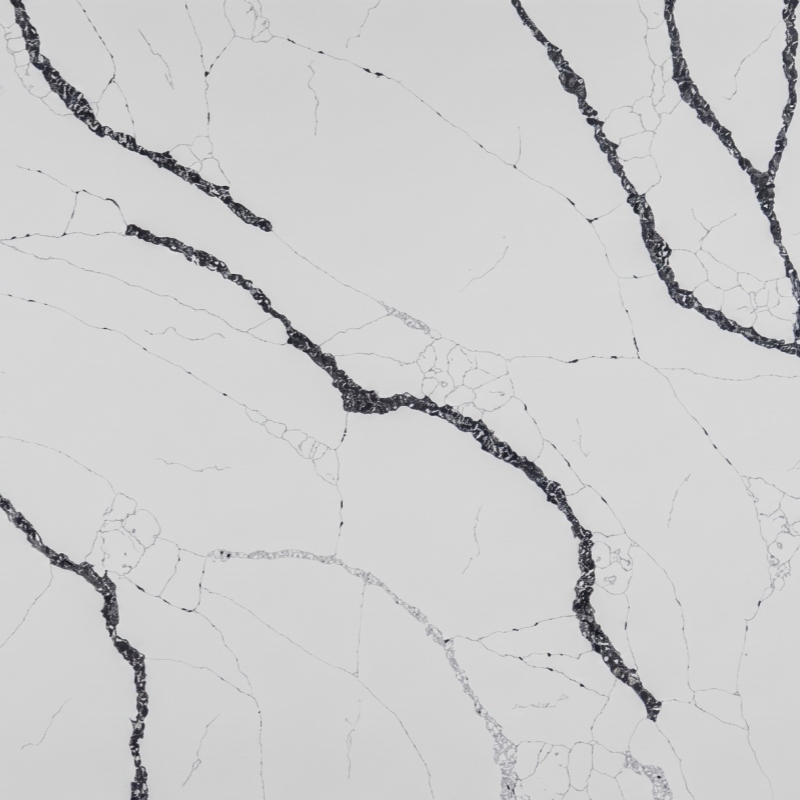
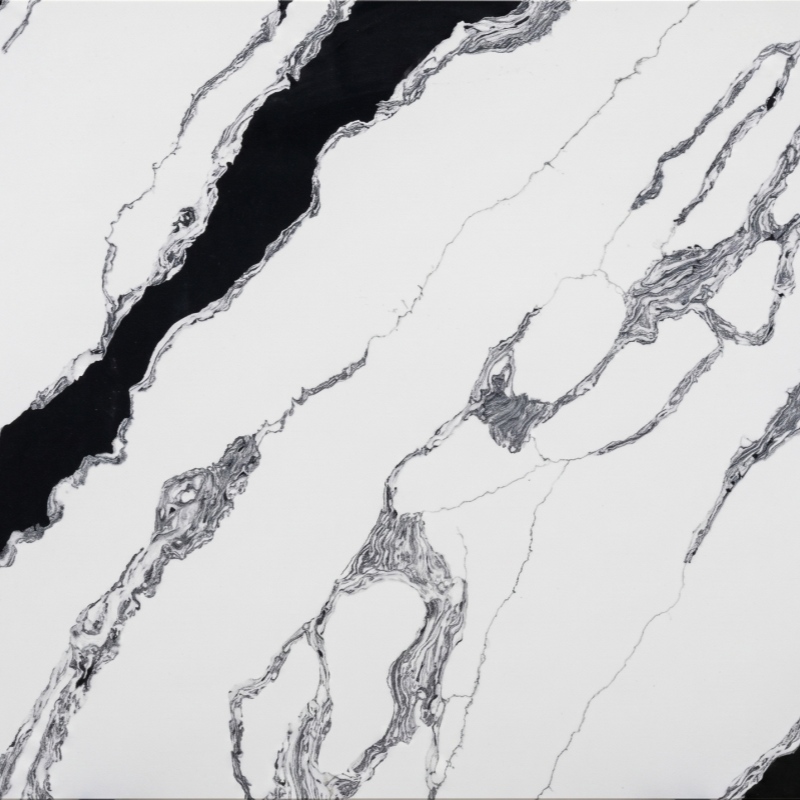
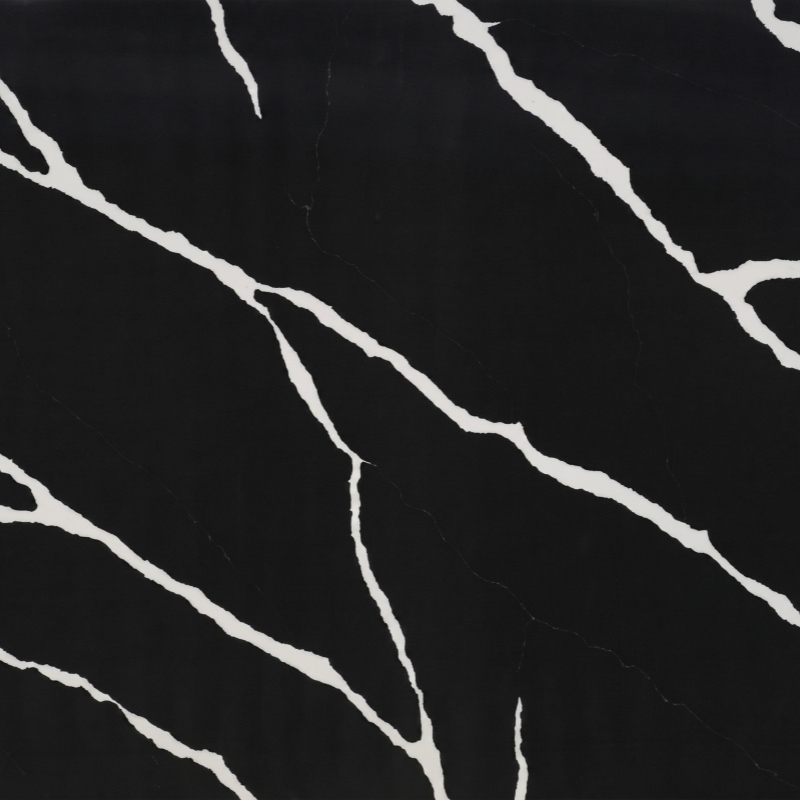
This custom marble staircase project is a good example. The material features strong grey, white, and black linear movement, with bold natural bands running across the surface. When this type of marble is used for a staircase, the visual result depends heavily on cutting direction, piece sequencing, edge treatment, and dry lay checking.
For a straight stair, the challenge is already clear. For a curved or irregular staircase, the challenge becomes much higher.
That is why this project was first arranged and reviewed in the factory before final delivery.
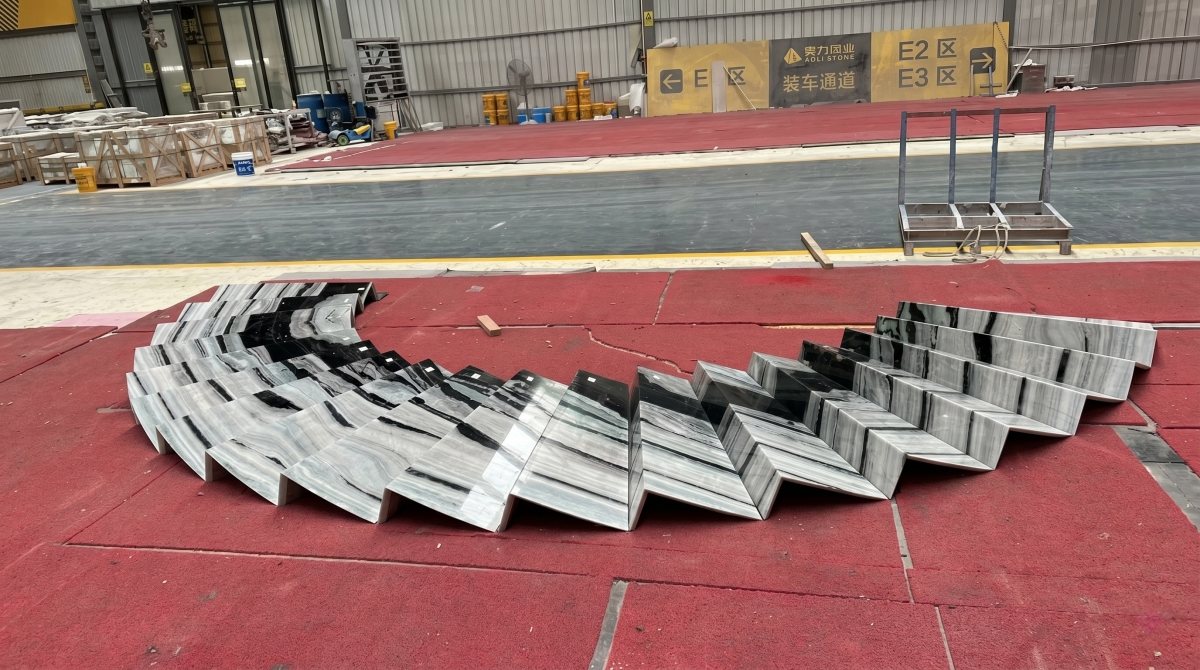
At first glance, a staircase may look like a group of repeated treads and risers.
In real stone fabrication, it is more complex than that.
Each piece has to respond to several questions:
Does the tread fit the stair shape accurately?
Does the riser align with the tread visually?
Does the bold black-and-grey vein continue naturally from one step to the next?
Will the curved section look intentional after installation, or will it look broken and random?
These questions cannot be answered only by drawings.
They need a physical dry lay.
In this project, the stair pieces were placed on the factory floor in sequence, allowing the production team to check the full staircase before packing. The purpose was not to create a showroom photo. The purpose was practical: to reduce risk before installation.
This is where project stone work becomes different from ordinary slab supply.
The Design Character of the Marble
The selected marble has a strong architectural personality.
Its surface combines soft grey bands, white cloudy areas, and deep black linear movement. The contrast is dramatic, but not decorative in a simple way. It has the feeling of natural stone movement stretched across a built form.
For a staircase, this kind of material can create a powerful spatial effect.
The black bands give the stair body visual weight.
The grey and white movement softens the surface.
The polished finish adds reflection and depth.
The curved layout turns the stone from a flat surface into a sculptural element.
This is not the type of marble that disappears quietly into the background. It becomes part of the architectural identity of the space.
That is also why control matters. If the pieces are randomly cut or installed without sequence, the beauty of the material can easily become visual noise.
For project buyers, architects, and contractors, factory dry lay is one of the most useful quality-control steps for complex stone work.
It helps check several things before shipping:
First, the shape and quantity of each stair component can be reviewed. This is especially important for curved stairs, where each piece may have a slightly different angle or radius.
Second, the vein direction can be checked in relation to the full stair layout. With bold striped marble, one wrong piece can interrupt the whole rhythm.
Third, the processing details can be reviewed before packing. Edges, risers, tread thickness, polished surfaces, and piece labels all need to support installation logic.
Fourth, the client and project team can understand the final visual direction before the material arrives on site.
In this project, the red factory floor makes the image look raw, but that is exactly the value of the photo. It shows the real pre-installation stage: not a polished marketing scene, but a working process behind a finished stone staircase.
Aoli Stone’s role in a project like this is not limited to selling marble.
The important work happens in the middle:
reading project drawings,
understanding stair geometry,
cutting stone into accurate components,
controlling visual sequence,
checking the dry lay,
labeling pieces for installation,
and preparing the order for safe project delivery.
For overseas projects, these steps matter even more. Once the stone is packed and shipped, correcting a mistake becomes expensive and slow. A responsible supplier must reduce avoidable problems before the material leaves the factory.
This project shows a practical side of stone supply that is often more important than advertising language.
Good marble is the beginning.
Good project control is what makes the marble usable.
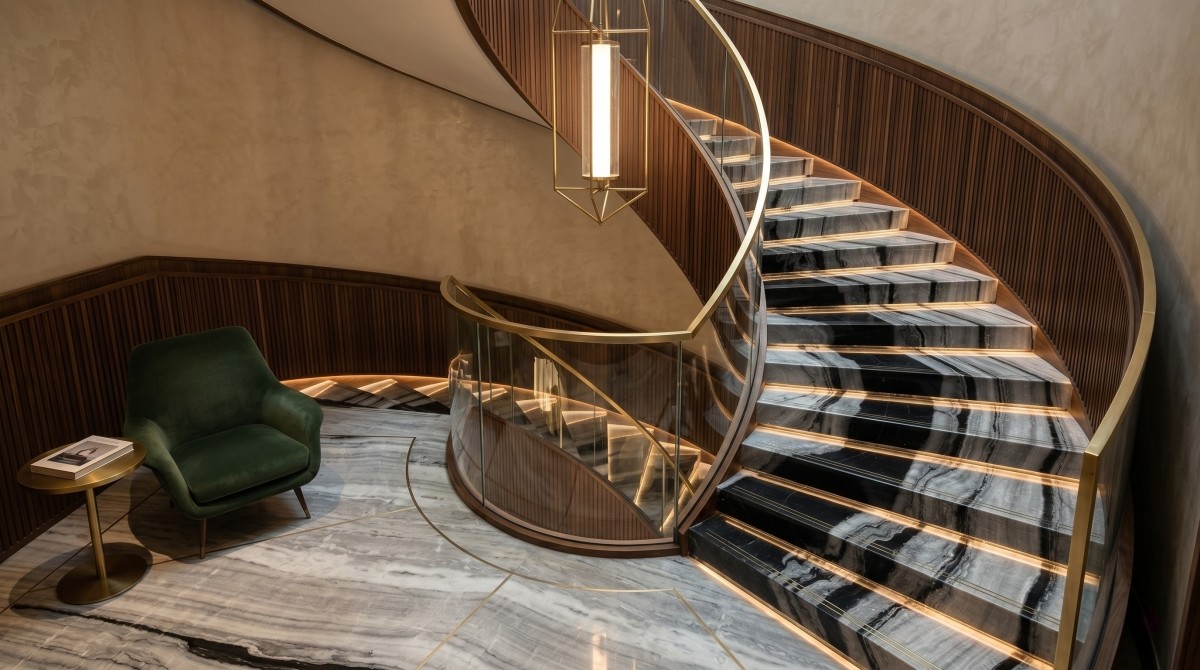
When choosing bold natural marble for stairs, one question is worth asking early:
Do you want the staircase to feel calm and continuous, or dramatic and expressive?
This material clearly belongs to the second direction. It has movement, contrast, and strong personality. It can work well in villas, luxury residences, boutique hotels, clubhouses, showrooms, and high-end commercial interiors where the staircase is meant to become a visual feature.
But the stronger the stone pattern, the more important the fabrication planning becomes.
For this kind of project, buyers should not only ask for a slab photo. They should also ask:
Can the supplier control the cutting sequence?
Can they dry lay the pieces before delivery?
Can they label the stair components clearly?
Can they understand the installation logic, not just the material name?
These questions are practical. They help avoid problems later.
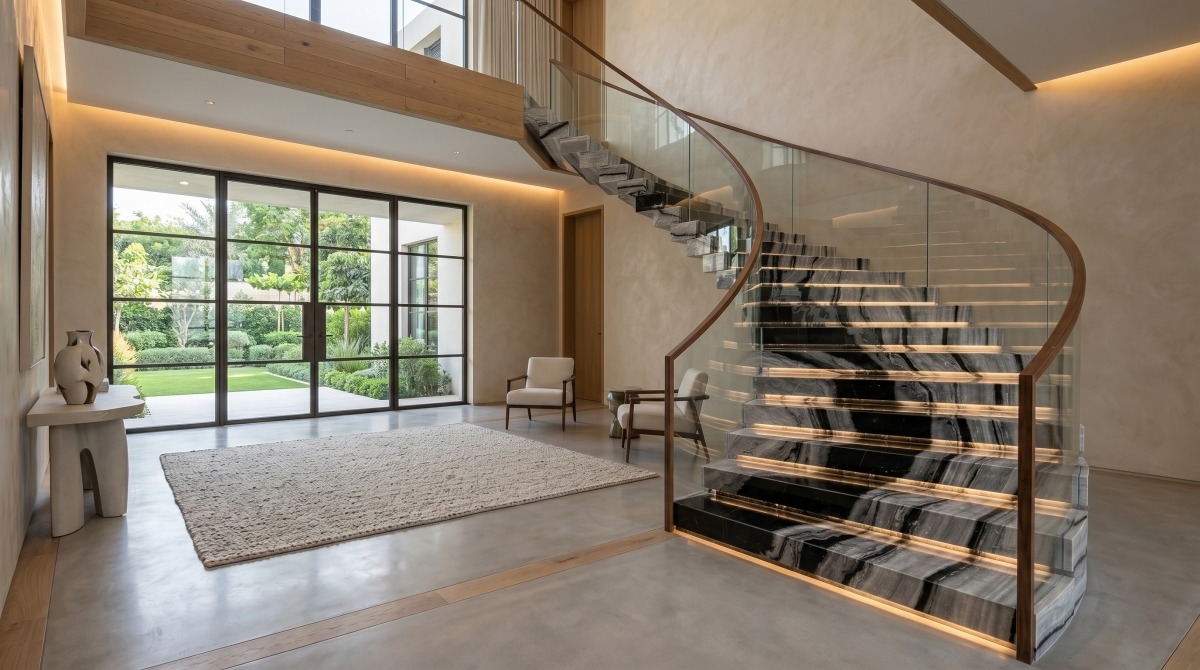
This staircase dry lay is not yet the final installed scene, but it already tells an important story.
It shows a stone project in the stage where quality is still being controlled. The marble has strong visual energy, the stair shape requires accurate fabrication, and the dry lay process gives the project team a chance to review the result before shipment.
For Aoli Stone, this type of work reflects a project-based approach to marble supply: not only selecting material, but also helping turn that material into a buildable architectural element.
For designers and project buyers, the lesson is simple:
When natural marble has strong movement, the supplier’s control process is just as important as the beauty of the slab.
For custom marble stairs, wall cladding, flooring, and project-cut stone components, Aoli Stone supports material selection, fabrication planning, dry lay checking, and export preparation for international projects.



 IPv6 network supported