English
 Español
 Português
 عربي
عربي 한국어
한국어

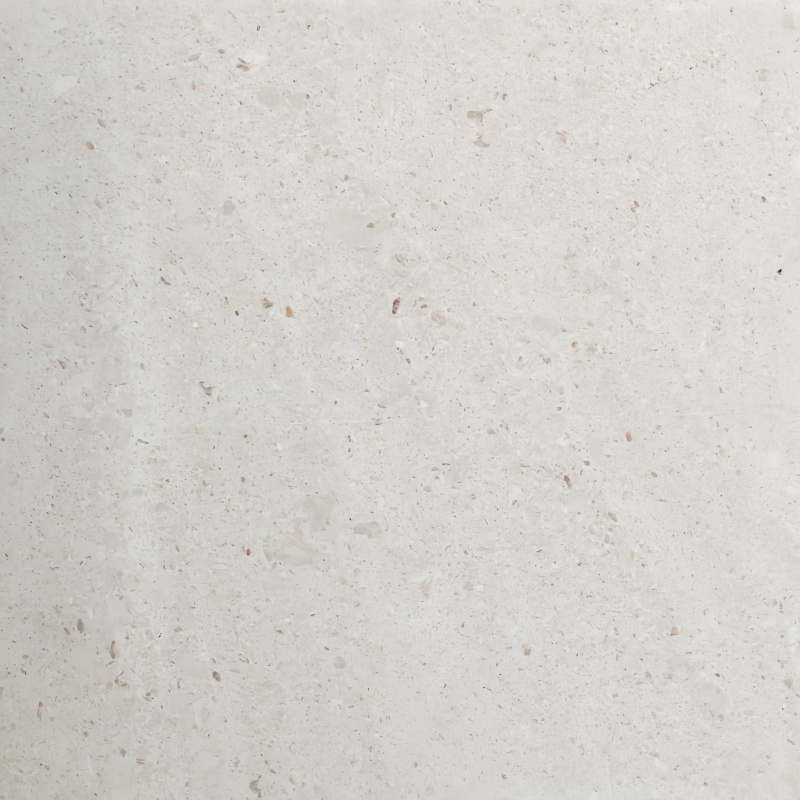
Plano Cream Limestone is a warm cream beige natural limestone suitable for architectural wall cladding, flooring, courtyard areas, villa projects, and commercial interiors where a calm matte stone surface is preferred over dramatic veining.
Item No :
ALLS-002Surface finish :
MattOrder(MOQ) :
300 square metersPayment :
T/T, L/CProduct Origin :
ImportedColor :
cream beigeShipping Port :
Xiamen or project-based shipment arrangementLead Time :
15-20 days or soWeight :
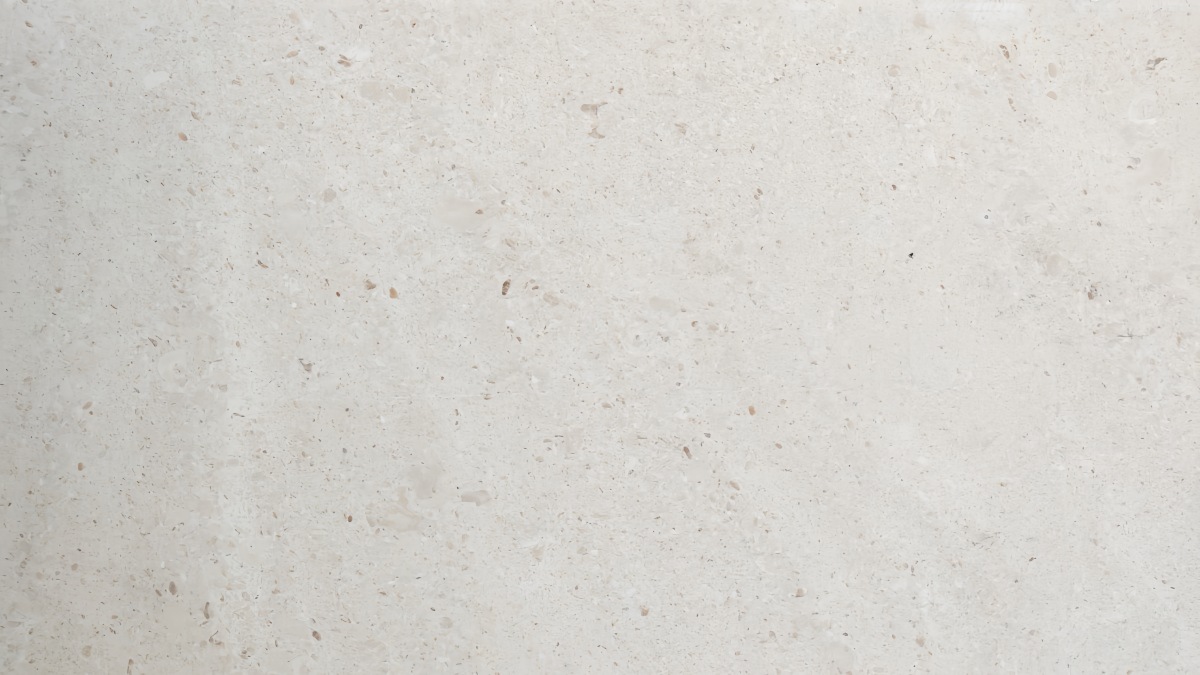
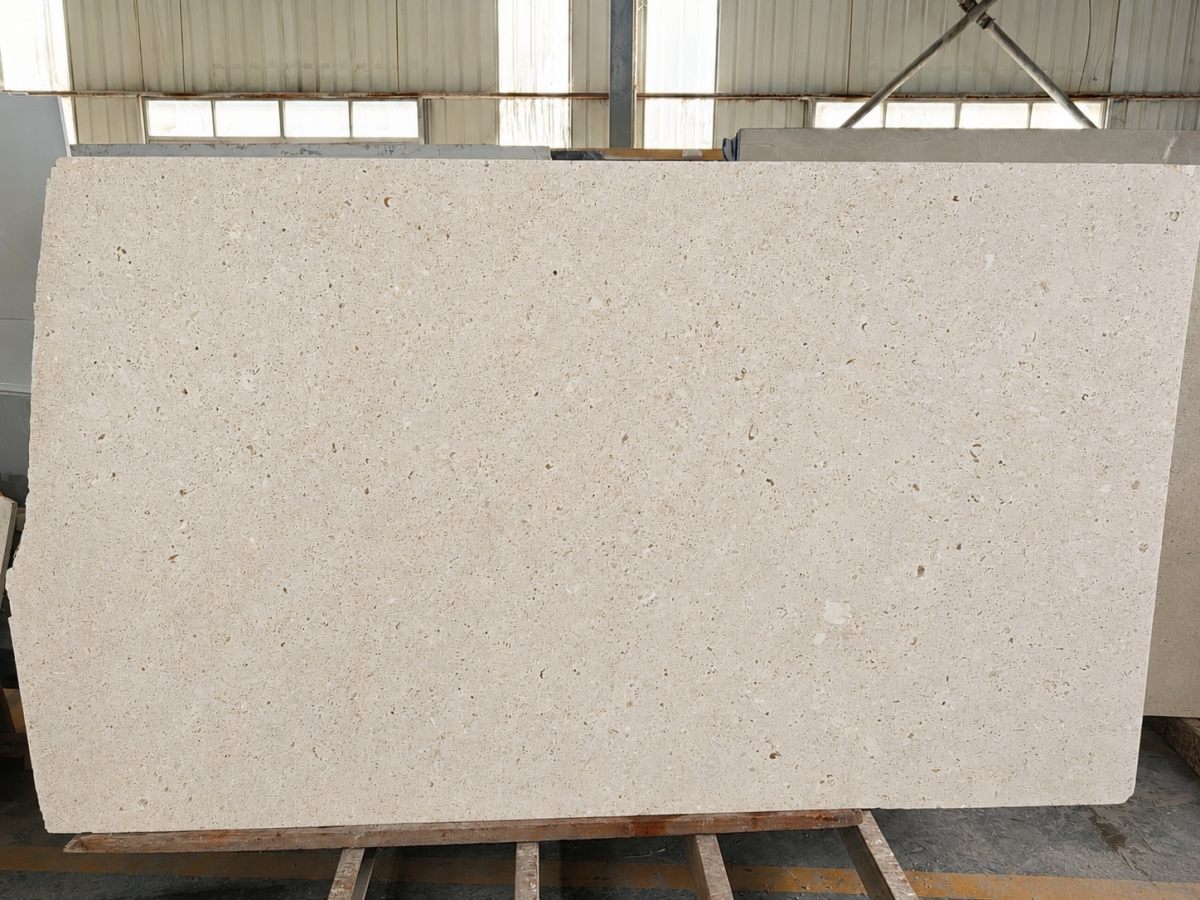
2700 kgs/M3The material shown in the photos has a soft ivory-cream background with fine fossil particles, small shell-like fragments, subtle mineral speckles, light pores, and gentle natural color variation. It does not look like a uniform engineered surface. Its value comes from a quiet natural limestone character: warm, architectural, restrained, and suitable for large-area design.
For project buyers, this material should not be approved only by a small sample. Before production, the final application area, surface finish, panel size, thickness, acceptable color range, sealing requirement, anti-slip requirement, dry lay review, packing method, and installation responsibility should all be confirmed clearly.
Material Overview
Plano Cream Limestone presents a soft cream beige tone with a warm natural background. The surface appearance is calm and matte, with visible fine grains and small fossil-like particles distributed across the stone.
From the supplied photos, the material shows:
· a light cream beige base color;
· small shell-like fossil traces;
· fine beige and light grey mineral speckles;
· subtle pores typical of natural limestone;
· gentle cloud-like tonal variation;
· a quiet surface movement without strong veins;
· a warm architectural feeling suitable for large wall and floor areas.
This is not a stone for buyers looking for bold marble veining. It is more suitable for projects that need a soft, natural, and human architectural atmosphere.
It pairs well with timber, bronze metal, lime plaster, warm lighting, glass, garden planting, neutral furniture, and minimalist architectural details.
Recommended Applications
Plano Cream Limestone can be used for interior wall cladding in hotels, villas, galleries, reception areas, corridors, and commercial spaces. Its soft cream color creates a warm background without making the wall look heavy.
For wall panels, buyers should confirm panel size, thickness, edge detail, joint width, fixing method, and whether dry lay review is required before packing.
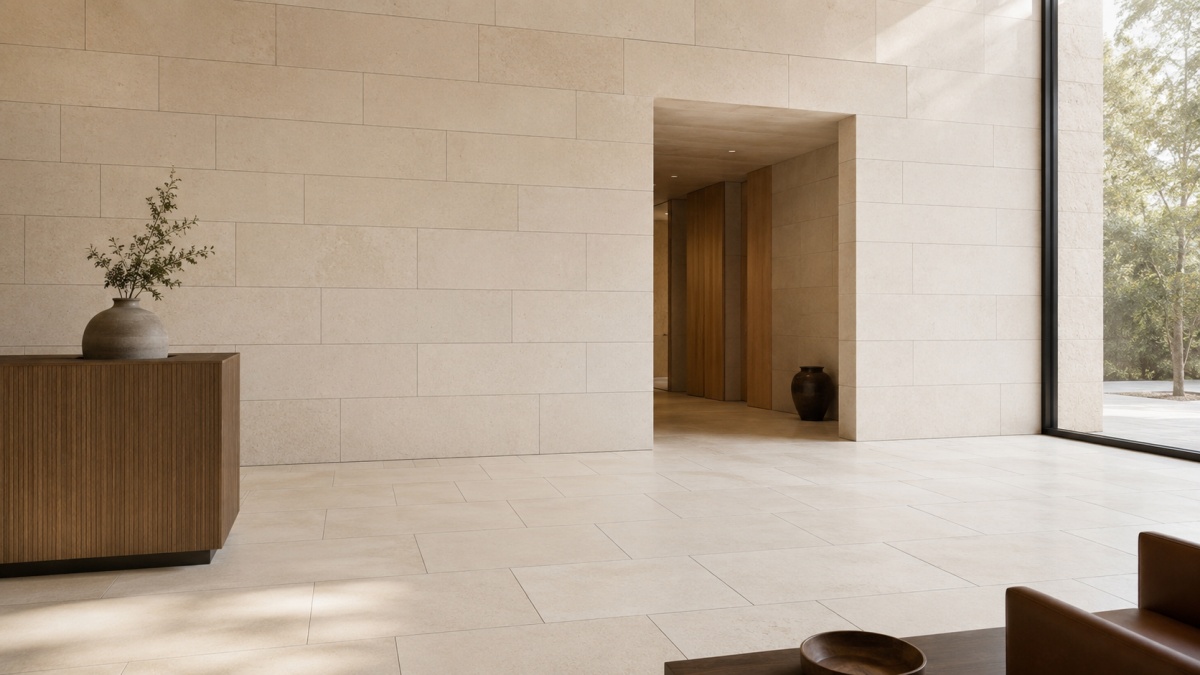
The material can be considered for interior flooring where a natural matte limestone surface is preferred. Its subtle fossil particles and gentle color movement help reduce the overly flat feeling that some uniform materials can create.
For flooring, buyers should confirm surface finish, anti-slip requirement, thickness, sealing, cleaning method, and expected foot traffic.
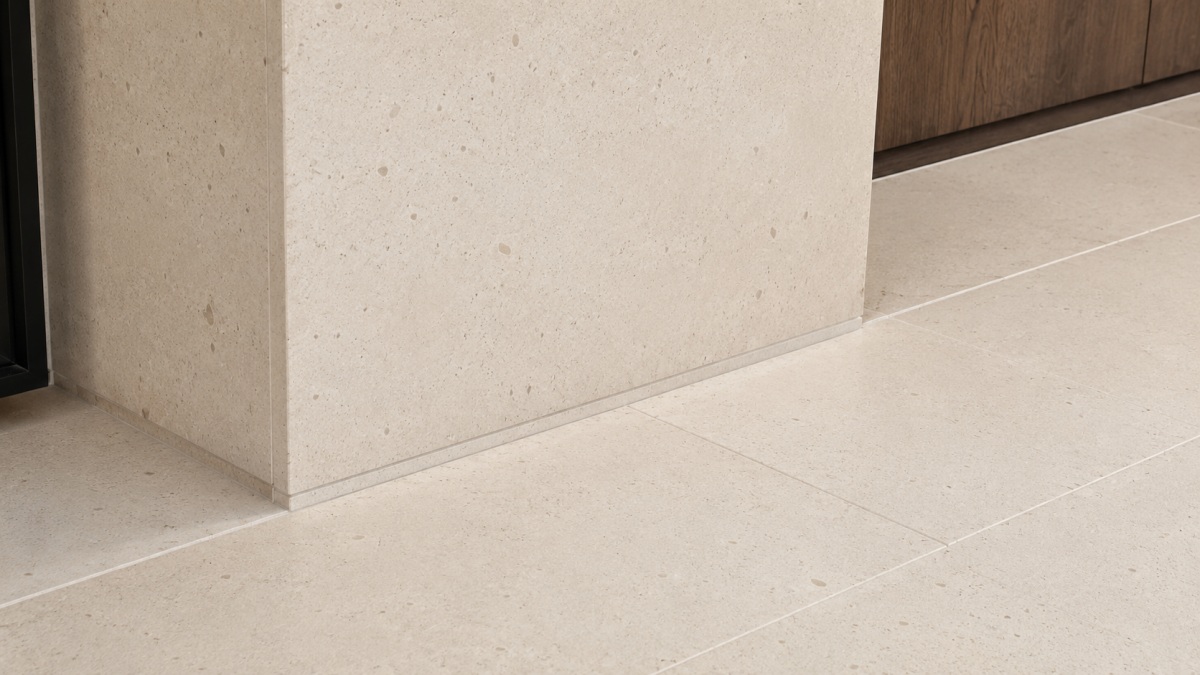
Plano Cream Limestone can be suitable for courtyard paving, entrance flooring, steps, and transition areas when the correct finish and thickness are selected.
For exterior or semi-exterior areas, buyers should confirm climate exposure, water drainage, freeze-thaw conditions if applicable, anti-slip performance, sealing requirement, and installation system.
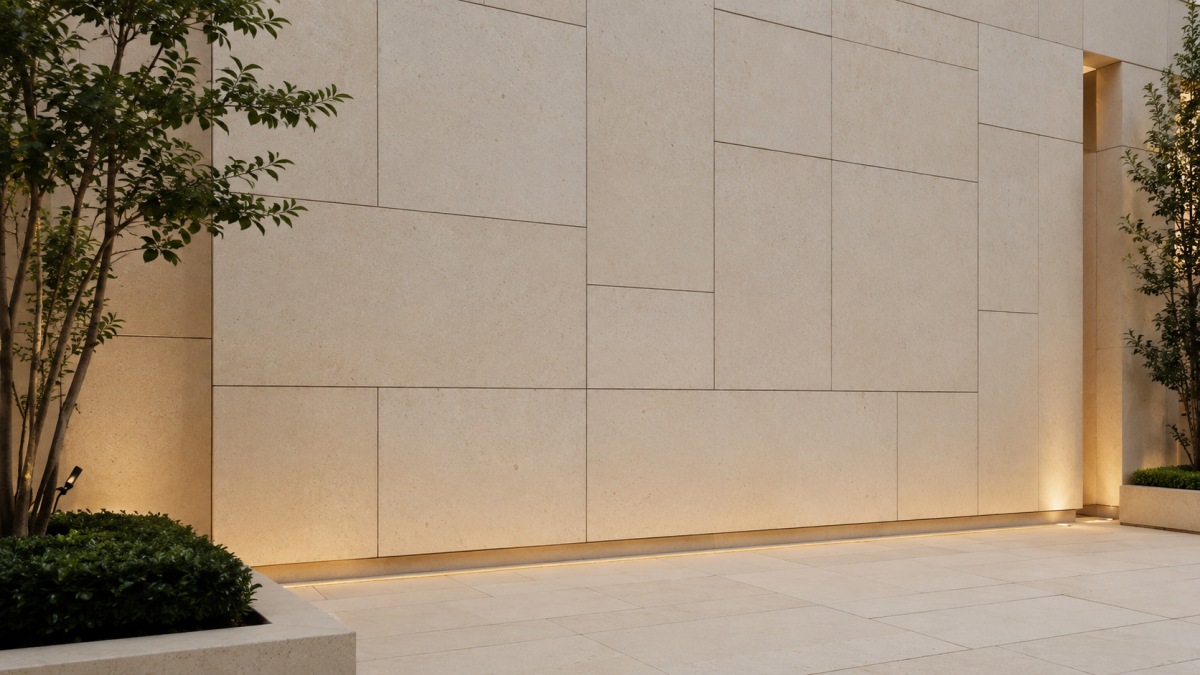
The warm cream tone makes this limestone suitable for villa facades, courtyard walls, garden walls, and boutique commercial building cladding.
Exterior use should be confirmed project by project. Important details include panel thickness, anchoring system, surface finish, edge protection, local climate, sealing, and long-term maintenance expectations.
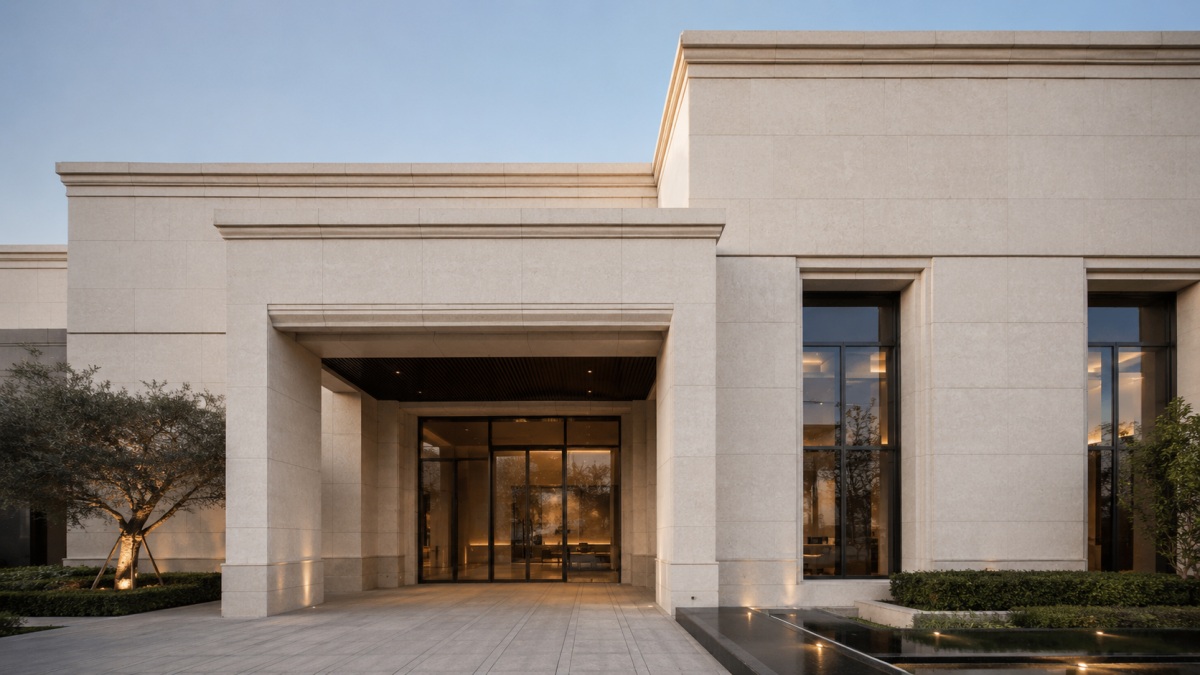
For galleries, boutique hotels, retail stores, office lobbies, and hospitality interiors, this stone can provide a quiet natural background. It works especially well when the design goal is warmth, calmness, and natural texture rather than strong visual drama.
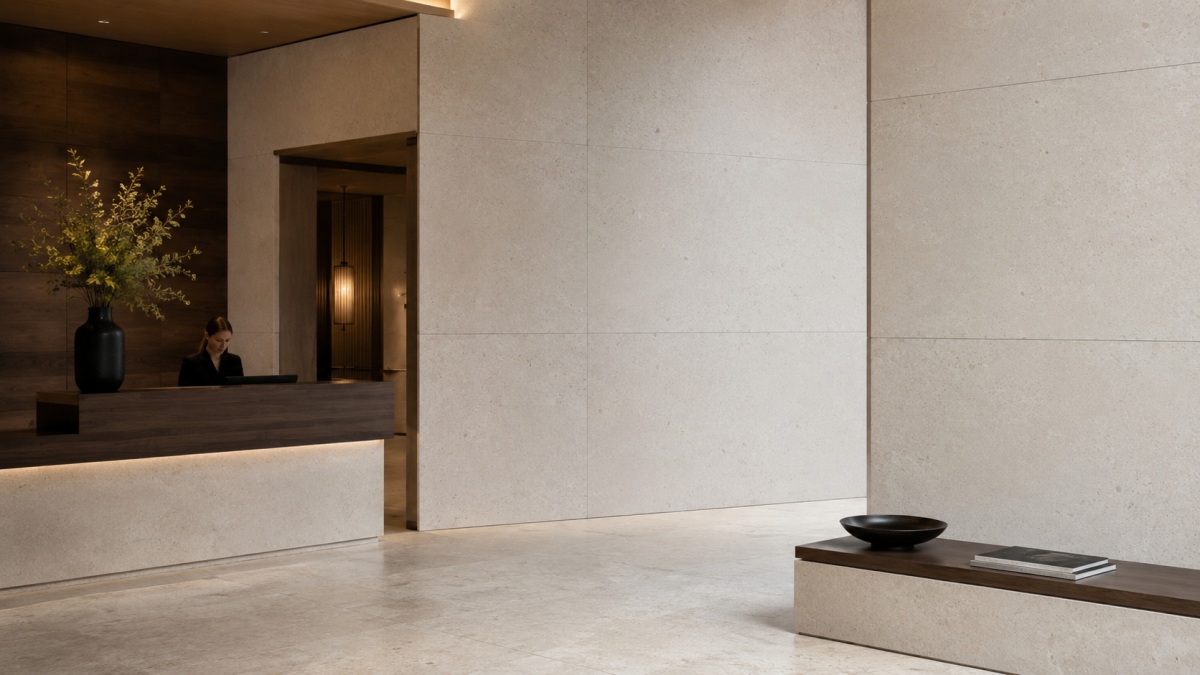
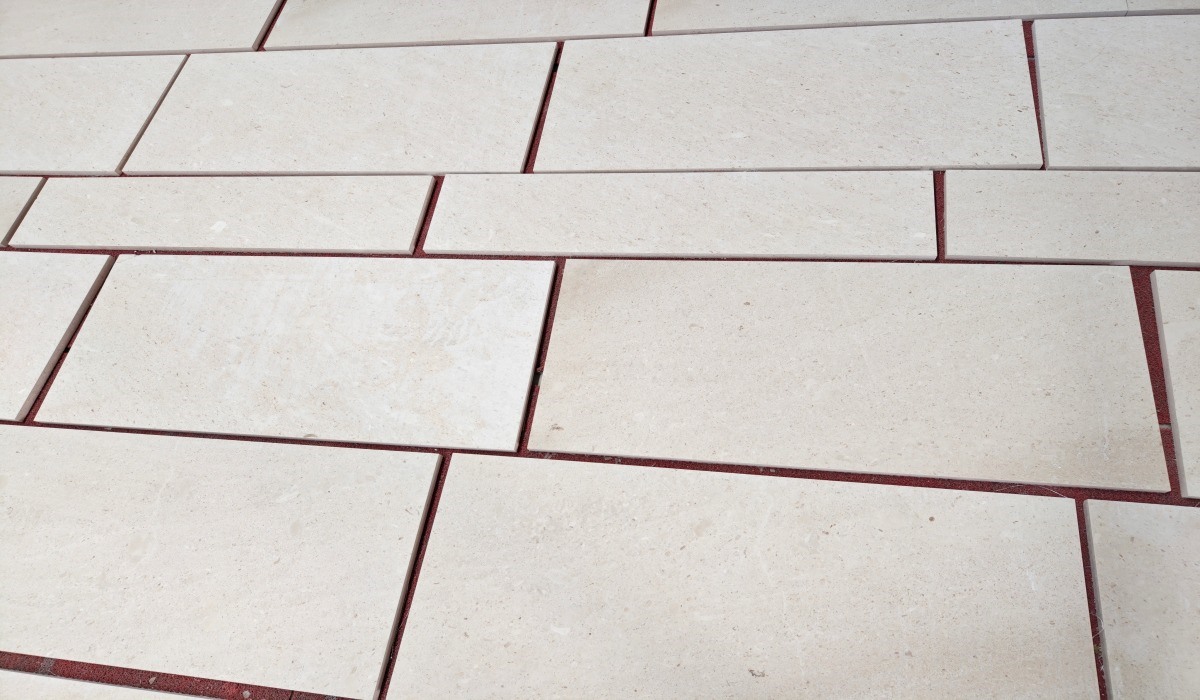
The photos show the material arranged in rectangular modules, which makes it suitable for cut-to-size panel planning. For project orders, Aoli Stone can support size list checking, panel cutting, dry lay review, numbering, QC inspection, and export packing.
Surface Finish Suggestions
The final finish should be selected according to application, design intent, and safety requirement.
|
Finish |
Suitable Use |
Notes |
|
Honed finish |
Interior walls, interior floors, lobby areas, commercial interiors |
Creates a smooth matte surface and keeps the cream tone soft and architectural. |
|
Brushed finish |
Courtyard walls, semi-outdoor floors, villa projects, textured interior walls |
Adds a slightly more tactile surface while keeping the natural limestone feeling. |
|
Tumbled finish |
Courtyard paving, garden paths, rustic-style spaces, traditional projects |
Gives softer edges and an aged surface character. |
|
Sandblasted finish |
Outdoor paving, entrance areas, steps, public walking areas |
Helps improve surface grip; final anti-slip requirement should be confirmed. |
|
Bush-hammered finish |
Exterior paving, steps, landscape areas |
Provides stronger texture but changes the visual softness of the material. |
|
Natural split finish |
Feature walls, exterior landscape walls, textured facade areas |
Suitable when a rougher architectural surface is required. |
|
Antique finish |
Villas, courtyards, heritage-style spaces |
Gives a more aged surface effect and should be reviewed by sample first. |
For the photos shown, the surface impression is closer to a calm matte honed or fine matte finish, but the final finish should be confirmed by sample board before production.
|
Item |
Description |
|
Material |
Natural limestone |
|
Product Name |
Plano Cream Limestone |
|
Color Family |
Warm cream beige / ivory beige |
|
Texture |
Fine fossil particles, shell-like traces, small pores, subtle mineral speckles |
|
Surface Finish |
Honed or matte finish shown in reference photos; other finishes available upon confirmation |
|
Product Form |
Tiles, wall panels, floor tiles, paving tiles, cut-to-size panels |
|
Thickness |
Project-based; to be confirmed according to application |
|
Common Sizes |
Standard or custom sizes available according to project drawings |
|
Applications |
Interior wall cladding, flooring, courtyard paving, villa facade, commercial interiors, steps, entrance areas |
|
Edge Options |
Straight edge, eased edge, chamfered edge, project-based edge details |
|
Custom Fabrication |
Cutting, sizing, edge finishing, dry lay review, numbering, packing coordination |
|
Color Variation |
Natural variation should be reviewed through photos, sample boards, and dry lay when needed |
|
Sealing |
To be confirmed according to application, finish, and site condition |
|
Packing |
Fumigated wooden crates with foam and corner protection for tiles and cut-to-size panels |
|
Port |
Xiamen or project-based shipment arrangement |
Before approving Plano Cream Limestone for production, buyers should confirm the following details:
1. Final application area: wall, floor, facade, courtyard, paving, steps, or mixed use.
2. Indoor or outdoor use.
3. Climate exposure, drainage, sunlight, rain, and freeze-thaw condition if relevant.
4. Surface finish: honed, brushed, tumbled, sandblasted, bush-hammered, or other finish.
5. Anti-slip requirement for floors, paving, entrance areas, and steps.
6. Panel thickness and size range.
7. Acceptable natural color variation.
8. Whether a sample board is enough or dry lay inspection is needed.
9. Joint width and installation pattern.
10. Edge detail and corner treatment.
11. Sealing requirement and maintenance expectation.
12. Drawing and size list confirmation.
13. Packing method, crate sequence, and labeling plan.
14. Delivery schedule and shipment coordination.
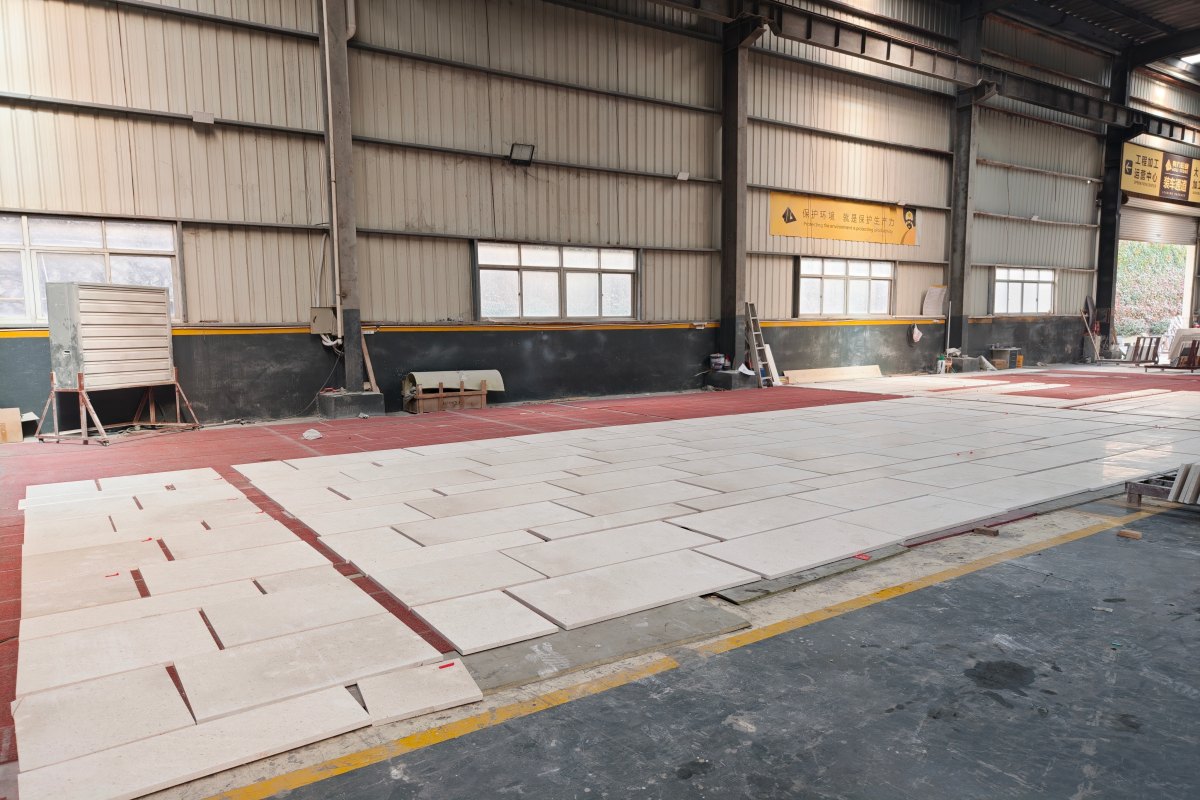
For large-area projects, limestone dry lay inspection is strongly recommended. It helps review tone grouping, fossil distribution, panel sequence, and joint alignment before packing.
How Aoli Stone Supports Plano Cream Limestone Projects
Aoli Stone supports limestone projects from material review to export preparation. For buyers, the key value is not only supplying stone, but helping reduce project risk before production and shipment.
Our support can include:
· sample board preparation;
· reference slab or tile photo confirmation;
· material tone range review;
· size list checking;
· cut-to-size fabrication;
· finish and edge detail confirmation;
· dry lay inspection before packing;
· panel numbering;
· QC inspection for size, thickness, edge, corner, and surface condition;
· export packing with foam and corner protection;
· shipment coordination according to project schedule.
For project buyers, this process helps avoid common risks such as wrong finish selection, uncontrolled color range, unclear panel sequence, unsuitable thickness, packing confusion, and installation delays.
Plano Cream Limestone is a natural stone, so color and fossil distribution will not be perfectly identical from piece to piece. This is normal and should be managed before shipment.
Dry lay review is useful when:
· the project uses many cut-to-size panels;
· the same area requires consistent tone;
· wall panels or floor tiles must follow a sequence;
· the buyer wants to review layout before packing;
· the design requires controlled joint alignment;
· different sizes are mixed in one area.
In the supplied photos, the tiles are arranged across the floor for visual review. This type of layout check helps buyers understand the real tone range and panel relationship before final approval.
Packing and Shipment Notes
For limestone tiles and cut-to-size panels, Aoli Stone can use fumigated wooden crates with foam protection, corner protection, and careful piece arrangement according to the packing plan.
Packing should be confirmed according to:
· product form;
· tile or panel size;
· thickness;
· surface finish;
· edge detail;
· order quantity;
· unloading method at destination;
· installation sequence if required.
For project panels, crate sequence and panel numbering should be coordinated with the packing list to help the installer identify the correct pieces on site.
Yes, it can be used for interior flooring when the correct finish, thickness, sealing, and maintenance method are confirmed. For public or high-traffic areas, the surface finish and anti-slip requirement should be reviewed carefully.
It can be considered for exterior wall cladding, villa facade, courtyard wall, and garden wall applications. However, exterior use should be confirmed according to local climate, fixing system, panel thickness, finish, sealing, and maintenance requirement.
In many limestone applications, sealing is recommended, especially for flooring, wet areas, exterior areas, or spaces exposed to staining. The sealing plan should be confirmed according to finish, application, and project condition.
No. Plano Cream Limestone is a natural limestone. It has natural color variation, fossil particles, small pores, and mineral speckles. For large projects, sample board review and dry lay inspection are recommended.
For interior wall and floor projects, honed finish is often suitable because it keeps the surface calm and matte. For outdoor paving, entrance areas, or steps, brushed, sandblasted, or bush-hammered finishes may be considered depending on anti-slip requirements.
Yes. Aoli Stone can support cut-to-size limestone panels according to drawings and size lists. The process can include size review, cutting, edge finishing, dry lay, numbering, QC inspection, and export packing.
Dry lay inspection helps review tone variation, fossil distribution, joint alignment, and panel sequence before packing. This is especially useful for wall cladding, flooring, facade panels, and projects using mixed sizes.
A small sample is useful for checking color and texture direction, but it cannot show the full natural variation of a large order. For project use, buyers should also review photos, sample boards, stock material, or dry lay layout when needed.
Request Support for Your Limestone Project
If you are considering Plano Cream Limestone for a wall, floor, courtyard, facade, or cut-to-size stone project, Aoli Stone can help you review the material before production.
You can contact us to:
· Request a Plano Cream Limestone sample board.
· Send your drawings for cut-to-size panel review.
· Ask for limestone finish and thickness recommendations.
· Request a project quotation with packing plan.
· Discuss dry lay inspection before shipment.
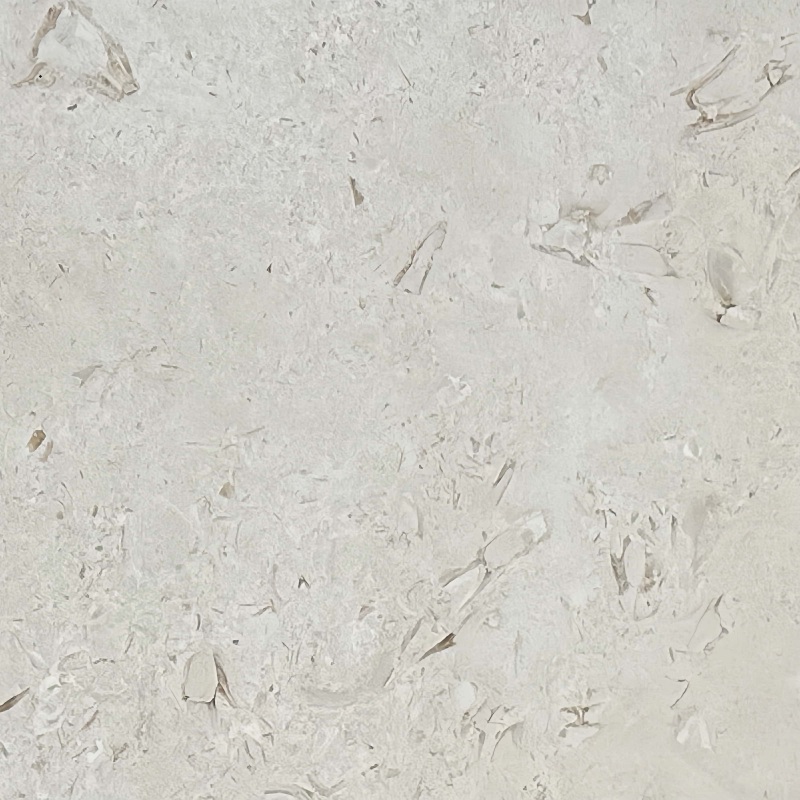
This limestone slab features a soft beige tone with subtle fossil patterns and natural mineral speckles spread gently across the surface. Its honed, matte texture delivers an elegant and timeless appearance, making it ideal for both modern and classic interior designs. The stone shows delicate, cloud-like movements without strong veins, creating a clean and harmonious visual effect.
Plano Cream Limestone is a warm cream beige natural limestone suitable for architectural wall cladding, flooring, courtyard areas, villa projects, and commercial interiors where a calm matte stone surface is preferred over dramatic veining.

Benin White Limestone is a warm white natural stone with sparse beige-grey markings and quiet visual movement. These low-contrast white limestone slabs are intended for buyers seeking a restrained surface for interior walls, reception areas and drawing-led custom details.

French Wood Grain Limestone is a pale ivory-beige natural stone with fine directional lines that create a quiet wood-like rhythm without imitating timber.



 IPv6 network supported