English
 Español
 Português
 عربي
عربي 한국어
한국어

Shopping mall flooring is not a small decorative decision. In a large retail project, the floor affects circulation, visual identity, maintenance expectations, installation planning, and long-term project perception. A material that looks attractive in a sample may behave very differently once it is used across hundreds or thousands of square meters.
That is why choosing between artificial marble and natural marble for mall flooring should never be reduced to a simple question of “which one looks better.” The more useful question is which one fits the real priorities of the project.
For some shopping mall flooring programs, artificial marble can be the more practical and controllable solution. For others, natural marble still brings a level of character and presence that is difficult to replace. The right answer depends on project goals, visual expectations, and how the floor will be delivered and managed at scale.
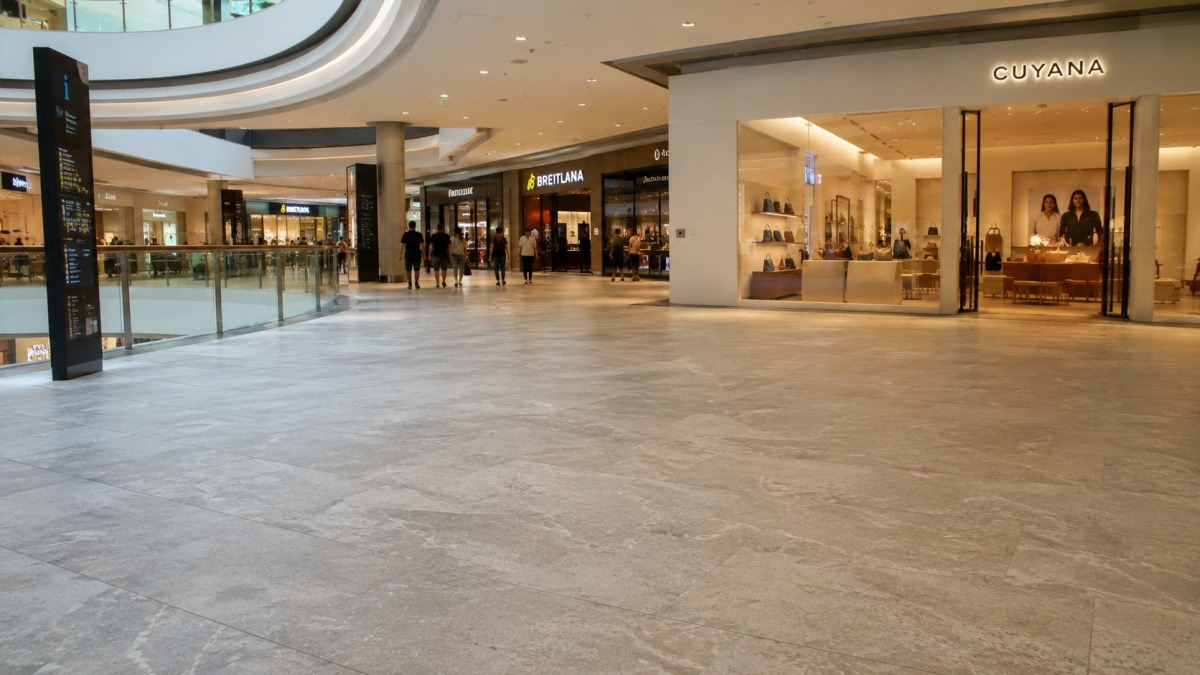
A shopping mall floor is different from a private villa lobby or a small boutique interior.
Once the floor area becomes large, project teams usually care more about:
· consistency across big open areas
· visual control from zone to zone
· repeatability of the material
· practical installation sequencing
· repair and reserve planning
· long-term maintenance expectations
· coordination between design intent and supply reality
In a mall, the floor is not just a surface. It becomes part of the public experience. It also becomes part of the project’s operational logic.
That is why the artificial marble vs natural marble discussion becomes especially important in this type of application.
Artificial marble is often a strong choice when the project needs a more controlled and repeatable appearance.
In many large retail spaces, designers and buyers do not want the floor to feel chaotic or visually unstable. They want the flooring to support the overall space, not compete with every storefront, signage element, and circulation route. Artificial marble often helps in this situation because it can provide a more stable pattern family and a cleaner visual field.
This is especially useful when the project needs:
· a more uniform tone range
· easier large-area coordination
· stronger repeatability
· a calmer overall floor expression
· a more predictable project result
For buyers still reviewing an artificial marble collection for commercial use, this is often the main reason the material stays under serious consideration.
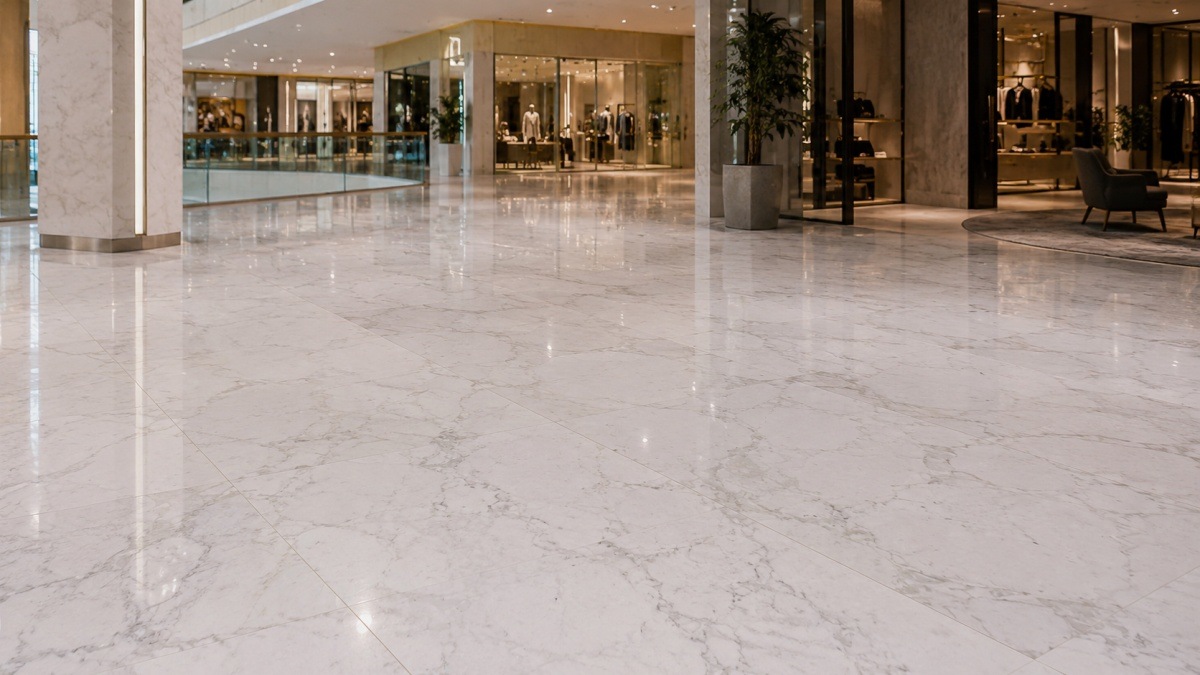
Natural marble should not be dismissed simply because a project is large.
There are mall projects where the design direction specifically depends on natural variation, stronger material individuality, or a more prestigious visual identity. In these cases, natural marble can bring a level of depth, movement, and stone character that artificial marble may not replicate in the same way.
Natural marble may be a better fit when:
· the design wants stronger natural identity
· the flooring area is selective rather than fully repeated
· focal zones matter more than total uniformity
· the client values real geological expression
· the project wants a more premium material narrative
For project teams comparing natural marble options for public interiors, this is where the natural material often justifies its place.
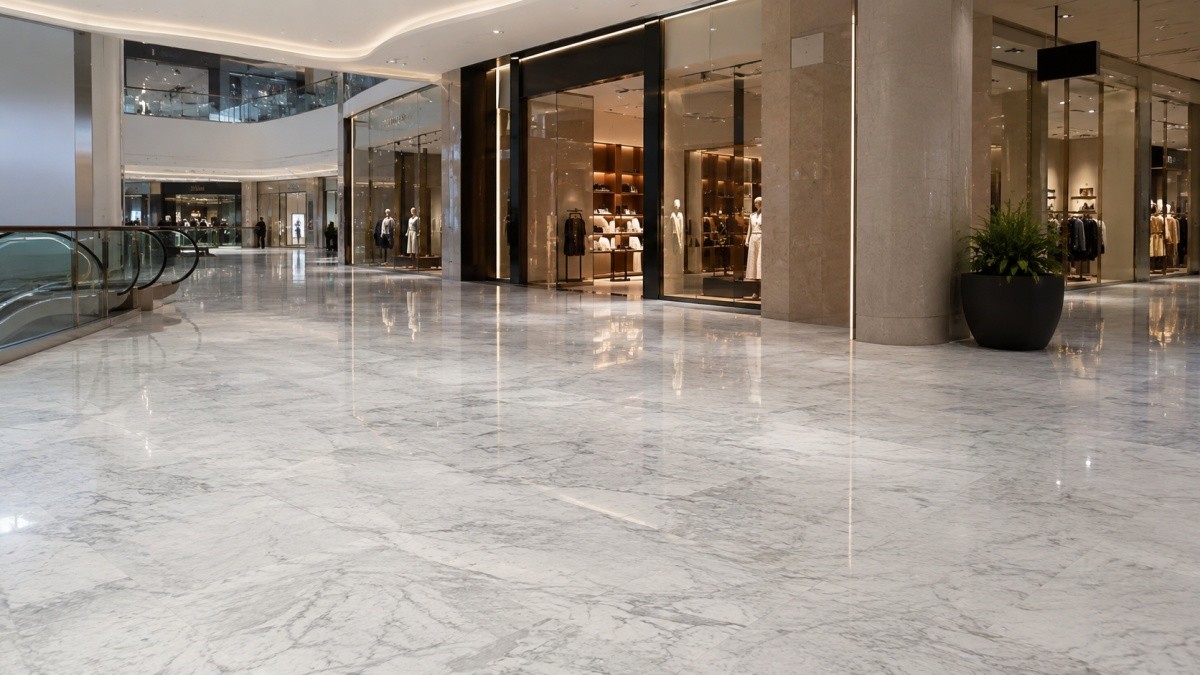
This is where many material discussions become more practical.
At sample size, both artificial marble and natural marble may look suitable. But once the flooring area expands, consistency becomes much more visible. Slight differences in tone, movement, or field rhythm that feel acceptable in one corner can become much more obvious when repeated across a large public area.
That is one reason many shopping mall stone flooring projects lean toward solutions that give better overall control.
In very large public flooring areas:
· artificial marble often performs better in repeatability
· natural marble often requires more careful lot control and visual planning
· both materials still require project review, but not in the same way
This does not mean artificial marble is automatically better. It means that project scale changes what “better” actually means.
Many buyers focus first on appearance, but mall flooring also has to survive long-term commercial use.
Project teams should think about:
· how the surface will age visually
· whether reserve material should be kept
· whether later repairs need visual continuity
· whether tone matching will be difficult in the future
· how the material fits the mall’s maintenance reality
In many large retail flooring programs, artificial marble can be easier to plan for in terms of later visual continuity, especially where repeated appearance matters. Natural marble can still work very well, but it usually requires more discipline in reserve planning and future replacement thinking.
This is one reason the material decision should be made at the project system level, not just at sample level.
A shopping mall flooring decision is not just a material decision. It is also a construction planning decision.
Before final approval, project teams should review:
· module or cut-size logic
· joint planning
· visual zoning
· transition between areas
· batch arrangement
· installation sequence
· material handling
· coordination between supply and site schedule
For buyers who care about manufacturing capability for project supply, the supplier’s ability to support this process is highly relevant.
Aoli Stone should not be positioned merely as a stone seller here, but as a supplier that understands how flooring decisions affect project execution.
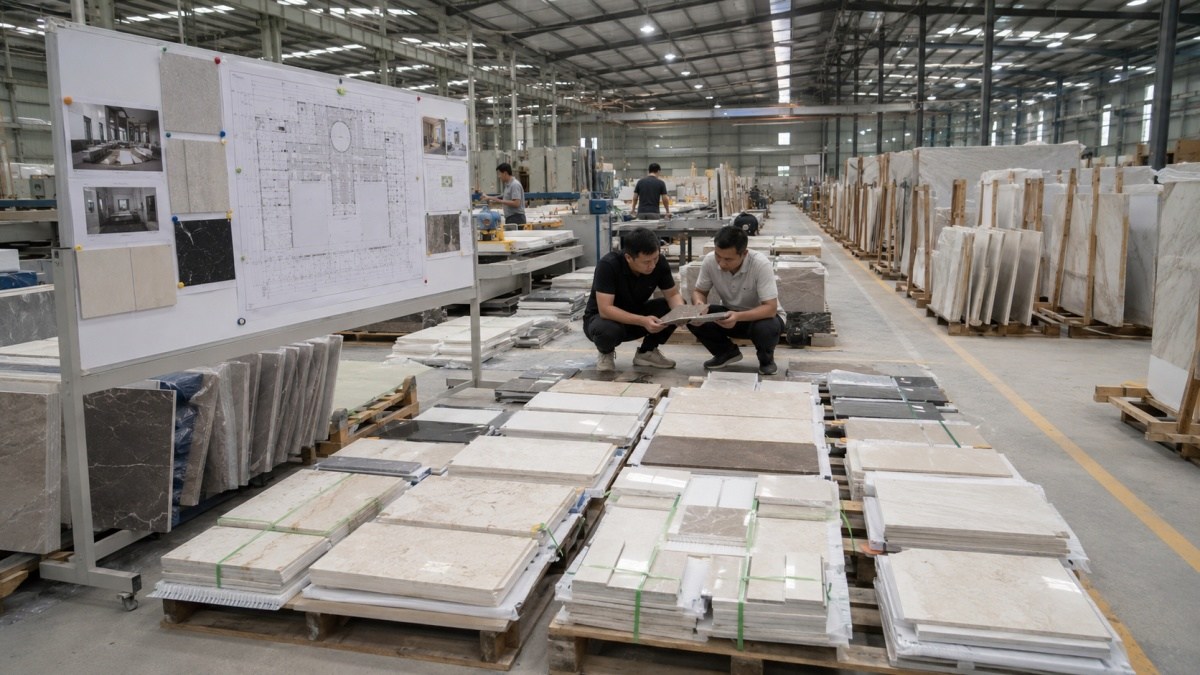
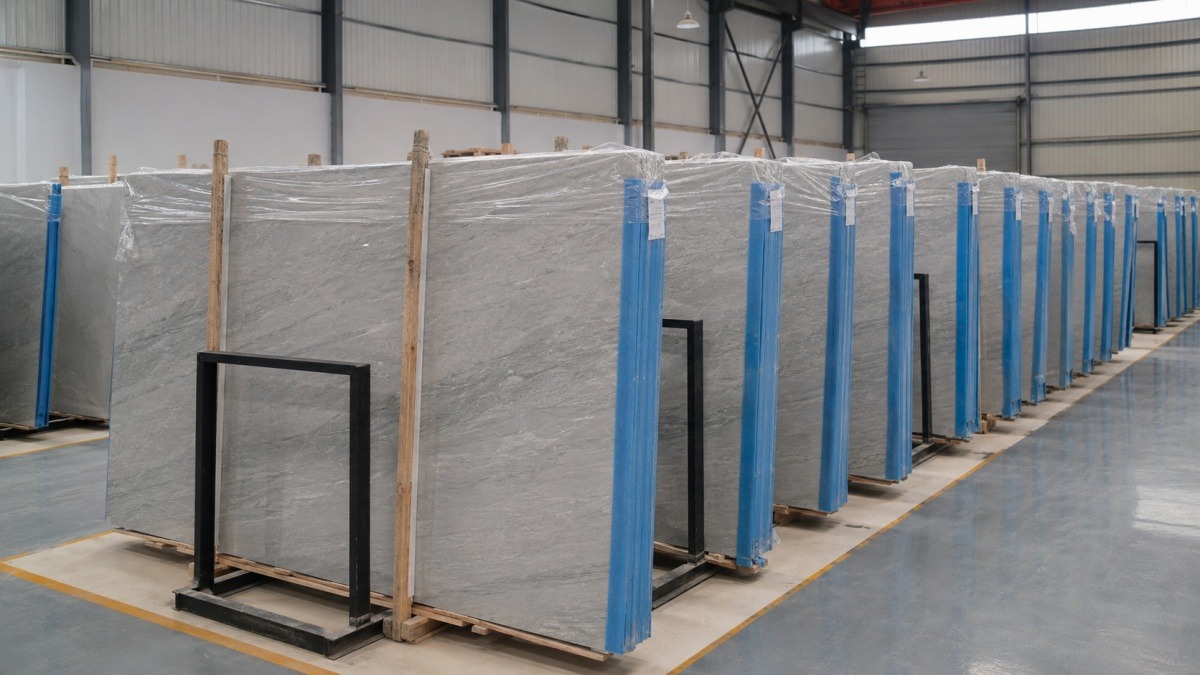
Large mall flooring projects often involve volume, sequence, and coordination. That means packaging and delivery logic matter more than many buyers first expect.
The project team may need:
· material grouped by zone
· clearer identification logic
· safer packing for large-volume supply
· better coordination with on-site sequencing
· stable communication from production to shipment
If readers are also evaluating stone project packaging and export support, this is where supplier confidence becomes part of the material choice.
A strong flooring project is not only about what material is selected. It is also about whether the delivery system behind that material is reliable.
The better answer depends on what the project is trying to achieve.
· the floor area is large
· consistency matters strongly
· the project needs cleaner repeatability
· the buyer wants a more controlled field appearance
· supply planning needs to stay manageable
Readers who want to see how this works in application can continue to artificial marble projects.
· the project wants stronger natural identity
· the client values more premium stone individuality
· focal zones matter more than repeated uniformity
· the design intentionally embraces natural movement
· lot planning can be handled carefully
Readers looking for more natural-stone-based application direction can also review marble projects.
The right answer is not the same for every mall.
What matters is whether the material matches the project logic.
Before confirming either material, buyers should review:
· visual objective of the mall project
· floor area scale
· need for repetition or individuality
· reserve material strategy
· packaging and delivery plan
· construction sequencing logic
· long-term maintenance expectations
· coordination with adjacent wall, counter, and circulation materials
The stronger the project scale, the more important these checks become.
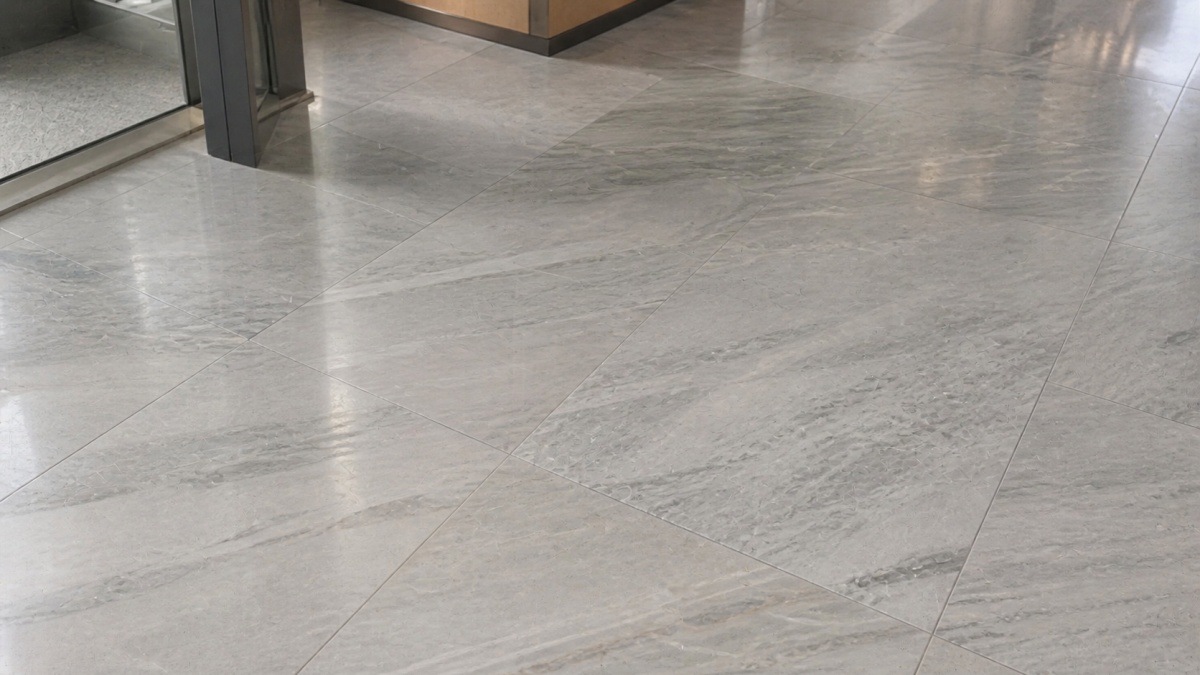
Artificial marble and natural marble can both work for shopping mall flooring, but they do not solve the same project priorities in the same way.
Artificial marble often makes more sense when the project needs consistency, repeatability, and a more controlled visual field across a large area. Natural marble often makes more sense when the project values stronger material individuality, richer natural character, and a more premium stone identity.
The best material is not the one that sounds better in theory. It is the one that remains convincing when design intent, project scale, supply logic, and long-term use are all considered together.
If your team is comparing stone materials for a shopping mall flooring project, feel free to contact our team for project discussion to discuss the material direction more clearly.
Neither is universally better. Artificial marble often works better when a project needs more consistency and repeatability, while natural marble is often preferred when the design values stronger natural character.
Because large flooring areas usually need a more controlled visual field, easier repeatability, and more manageable project coordination.
Yes. Natural marble can be a strong choice, especially in premium zones or projects where the design wants more natural movement and stone individuality.
Buyers should review scale, consistency expectations, reserve planning, joint logic, packing, installation sequencing, and long-term maintenance needs.
Yes. The larger the area, the more important consistency, repeatability, and supply logic become.
Yes. In large commercial flooring projects, packaging and delivery coordination are part of project success, not an afterthought.
If your project is comparing artificial marble and natural marble for large commercial flooring, our team can help review the material direction more practically.



 IPv6 network supported