English
 Español
 Português
 عربي
عربي 한국어
한국어

Choosing a stone supplier in China is not only about finding a factory with attractive photos or a lower price. For international buyers, the real question is whether the supplier can support the order from material selection to production, inspection, packing, shipment, and project communication.
Stone is not a simple commodity when it is used for commercial interiors, hotels, residential developments, public spaces, or cut-to-size projects. A wrong supplier decision can create problems long after the quotation is accepted.
That is why international buyers should ask better questions before choosing a stone supplier in China.

The first question should not be only, “What is your best price?”
A better question is:
Do you understand what this stone will be used for?
A buyer sourcing marble slabs for distribution has different needs from a contractor ordering cut-to-size stone for a hotel lobby. A developer reviewing artificial marble for a commercial flooring project has different priorities from a kitchen manufacturer buying quartz slabs for countertop production.
Before choosing a supplier, buyers should explain:
A supplier who understands the use case can usually provide more practical support than one who only sends a price list.
A strong stone supplier does not need to sell every material in the world. But it should clearly understand the materials it offers and where each one fits.
For buyers reviewing stone materials supplied by Aoli Stone, the important point is not only variety. The important point is whether the supplier can guide the buyer toward the right material logic.
A good supplier should explain the difference between:
Each material has different visual behavior, application logic, fabrication requirements, and buyer concerns.
If a supplier describes all stone materials in the same way, that is usually not a good sign.
International buyers should be careful with suppliers who oversell every product as suitable for every use.
Different materials serve different project needs.
For natural marble supply for international projects, buyers should expect discussion around natural variation, slab selection, tone range, vein movement, finish, and project layout.
For artificial marble and engineered stone supply, buyers should expect discussion around controlled appearance, repeatability, commercial use, cut-to-size planning, and project consistency.
For quartz stone products for global buyers, buyers should focus on slab size, surface design, countertop suitability, fabrication needs, edge details, and project or distribution use.
A reliable supplier should not blur these differences just to close the sale.
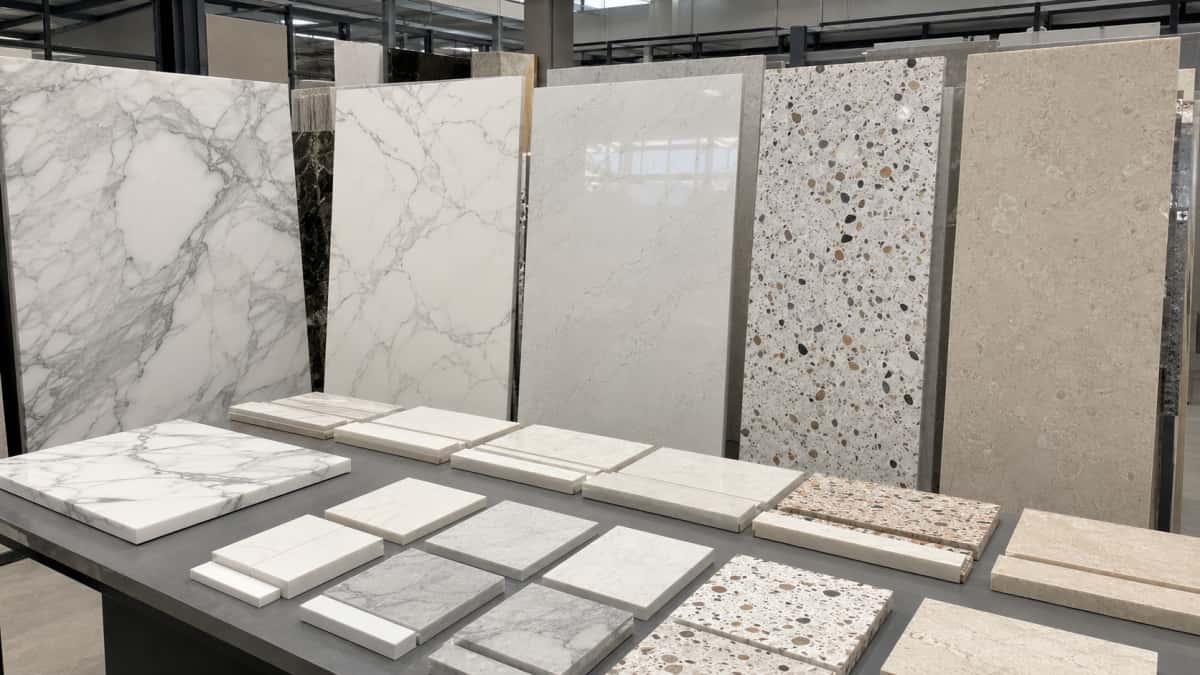
Quality control is not only a final inspection photo. It should begin earlier.
Depending on the order, buyers may need checks on:
For project orders, inspection should also consider whether the material matches the approved sample, order list, drawings, or packing plan.
A supplier that takes pre-shipment review seriously can help buyers reduce avoidable risk before the goods leave the factory.
Many stone orders require more than supplying slabs.
Commercial projects may need:
This is why stone manufacturing capability matters when choosing a stone supplier.
Manufacturing capability should not only mean “we have machines.”
For international buyers, it should mean the supplier can help reduce project uncertainty through clearer fabrication, sizing, inspection, and packing preparation.
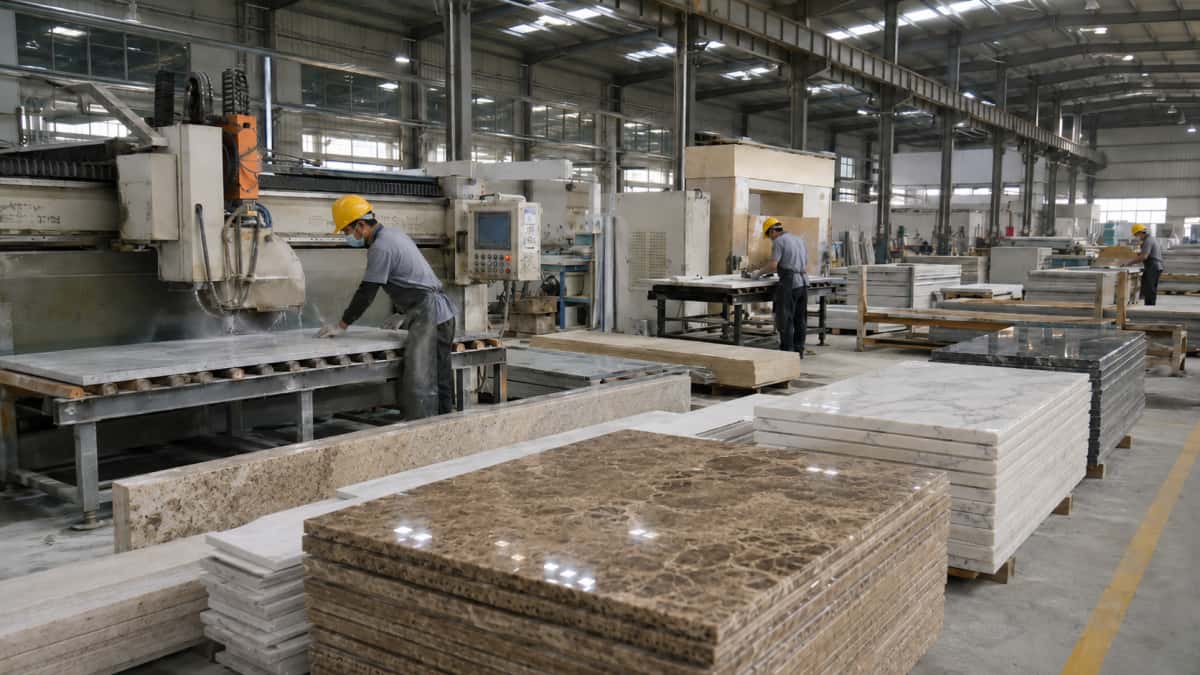
Project experience is not only a marketing claim. It helps buyers understand whether the supplier has handled real application needs.
Reviewing stone project examples can help buyers evaluate:
A supplier does not need to show every private detail of past projects. But it should be able to present enough real application logic to help buyers build confidence.
If all a supplier can show is isolated product photos, buyers may need to ask more questions.
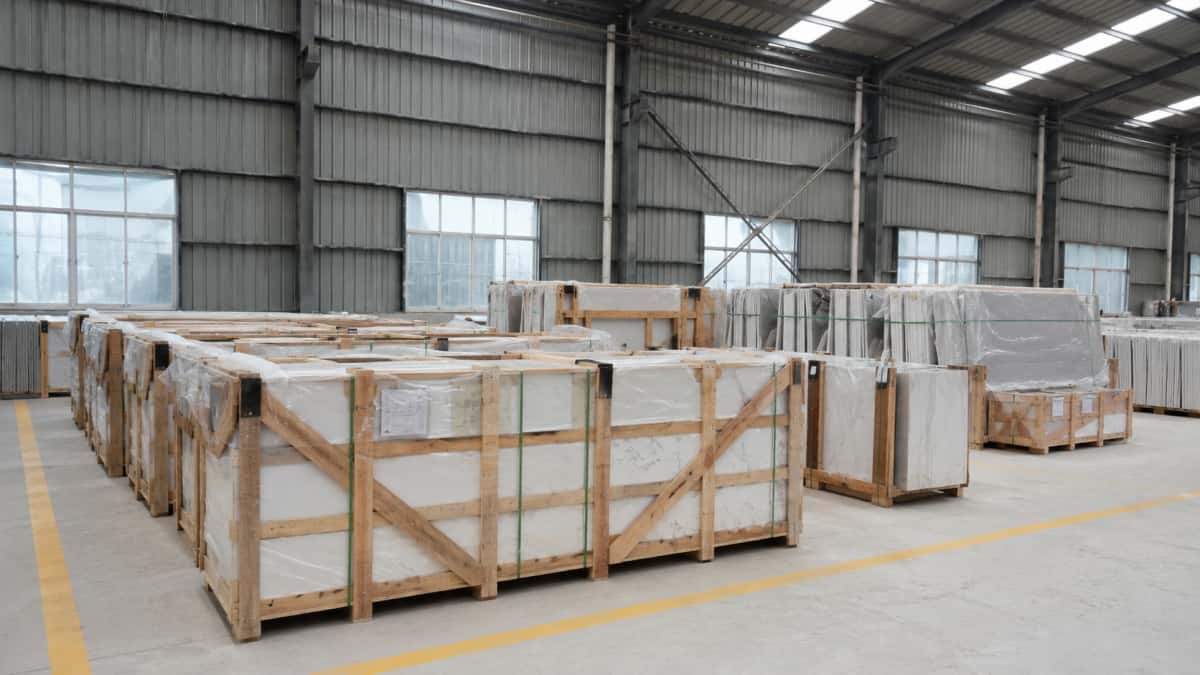
Export packing is a key part of international stone supply.
Buyers should ask:
Good packing is not only about avoiding breakage. It also helps the buyer identify, receive, store, and prepare materials after arrival.
For project buyers, packing logic can strongly affect installation preparation.
Not every stone order requires the same documentation. But when documents are needed, the supplier should communicate clearly.
Depending on market and product type, buyers may ask for:
Buyers can review certificates and documents for stone buyers when documentation is part of the decision.
This area requires honesty. A supplier should not casually promise certificates or test data that do not exist. Clear available documents are better than vague claims.
Many international supply problems come from weak communication, not only from material quality.
A reliable supplier should communicate clearly about:
Good communication does not mean sending long messages. It means answering the right questions at the right time.
For international buyers, a supplier’s communication style is often a preview of how future cooperation will feel.
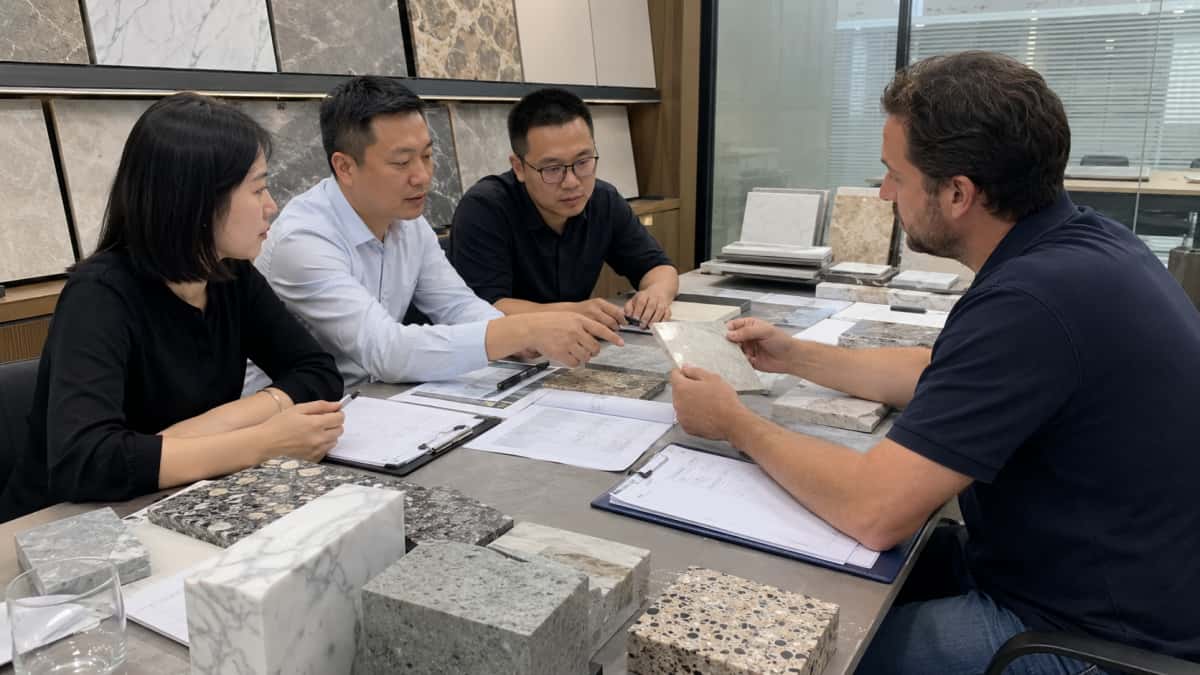
Fast quotation is useful, but it is not enough.
A serious stone supplier should help buyers reduce risk by asking the right questions before production:
A supplier who asks these questions may seem slower at first, but often helps prevent larger problems later.
The best supplier is not always the one who replies with the lowest number first. It is the one who helps the buyer make fewer costly mistakes.
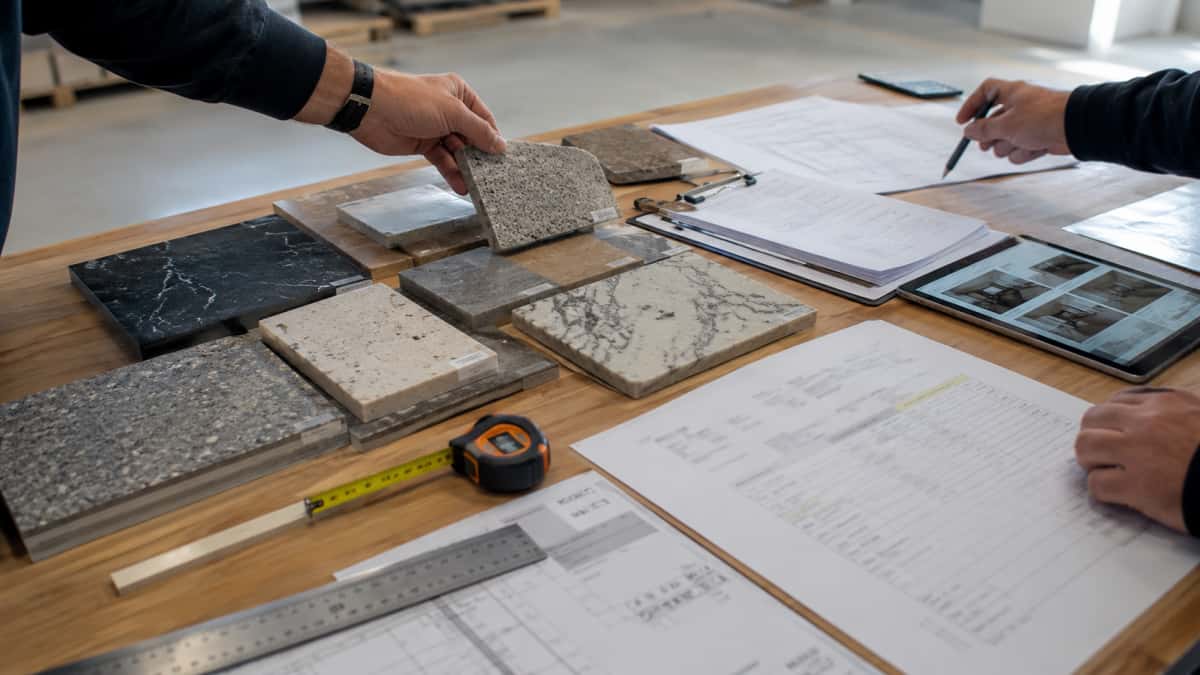
Choosing a stone supplier in China should be based on more than price, product photos, or a short quotation.
International buyers should evaluate whether the supplier understands the project type, explains material differences honestly, supports quality control, provides manufacturing capability, shows project experience, handles export packing carefully, and communicates clearly before shipment.
A reliable stone supplier should make the buyer feel more informed, not more uncertain.
If your team is evaluating stone materials or suppliers for an international project, feel free to contact Aoli Stone for supplier evaluation and share your material type, application, quantity, and project requirements.
FAQ
1. What should international buyers ask before choosing a stone supplier in China?
They should ask about material range, project experience, manufacturing support, quality control, export packing, documents, communication process, and shipment preparation.
2. Is price the most important factor when choosing a stone supplier?
Price is important, but it should not be the only factor. Poor material control, weak packing, unclear communication, or lack of project support can create higher costs later.
3. Why is manufacturing capability important?
Manufacturing capability matters when the order requires cut-to-size pieces, edge processing, project modules, inspection, or organized packing before shipment.
4. Should buyers ask for project examples?
Yes. Project examples help buyers understand whether the supplier has experience with real applications, not only isolated product photos.
5. Why are documents and certificates important?
Documents may be needed for project approval, import requirements, or buyer confidence. The supplier should clearly explain what documents are available.
6. How can buyers reduce risk when working with a stone supplier in China?
Buyers can reduce risk by confirming application, material, size, finish, packing method, inspection process, documents, and shipment details before production or loading.
If your team is comparing stone suppliers in China, Aoli Stone can help review the material direction, application needs, and project supply requirements more clearly.
Share your material type, application, quantity, size requirements, and destination with Aoli Stone for a more practical supplier evaluation discussion.



 IPv6 network supported